
Samsung
Compare models
Differences at a glance
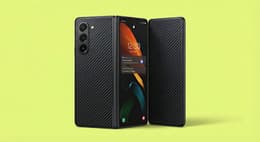
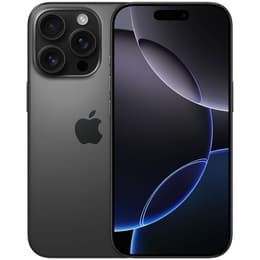
The Samsung Galaxy Z Fold4, released in August 2022, and the Apple iPhone 16 Pro, launched in September 2024, represent distinct approaches to high-end smartphone design and functionality. While the Galaxy Z Fold4 offers a unique foldable form factor with a large internal display for enhanced productivity and media consumption, the iPhone 16 Pro adheres to a traditional slab design, focusing on refined performance, advanced camera capabilities, and a cohesive ecosystem. Both devices operate on different platforms, Android for the Z Fold4 and iOS for the iPhone 16 Pro, catering to diverse user preferences.
Color
Storage
The expected practical lifespan of a smartphone is influenced by its release timeline, software support, and physical durability. The Galaxy Z Fold4, released in 2022, has received major Android operating system updates, with its current version being Android 16 with One UI 8. Samsung typically provides four years of major OS updates and five years of security updates for its flagship devices, suggesting its software support will continue for a few more years. [2]
The iPhone 16 Pro, launched two years later in 2024, benefits from Apple's longer software support policy, with expectations for major iOS updates extending until approximately 2030. [38] This provides a longer window for accessing the latest features and security enhancements. In terms of physical resilience, the Galaxy Z Fold4 features an Armor Aluminum frame and Gorilla Glass Victus+ on its cover screen, though its flexible internal display is inherently more delicate than a traditional smartphone screen. [2, 15] The iPhone 16 Pro incorporates a durable titanium design and Ceramic Shield front cover, offering robust protection against drops and scratches. [3, 23]
Release Year
Last OS Compatibility
Foldable
Performance in both the Galaxy Z Fold4 and the iPhone 16 Pro is designed to handle demanding tasks, though they achieve this through different hardware and software optimizations. The Galaxy Z Fold4 is equipped with a processor that allows for smooth multitasking across its expansive display, enabling users to run multiple applications simultaneously without significant slowdowns. Its generous RAM capacity further supports this, ensuring that apps remain responsive even when many are open in the background. [2, 13]
The iPhone 16 Pro, featuring a newer generation processor, delivers exceptional speed and efficiency for a wide range of applications, from intensive gaming to complex video editing. This processor is also optimized for advanced machine learning tasks, enhancing features like image processing and intelligent assistants. Users will experience fluid navigation and rapid app loading times. [1, 23, 29]
The display experience is a primary differentiator between these two devices, with the Galaxy Z Fold4 offering a unique foldable design and the iPhone 16 Pro providing a refined traditional screen. The Galaxy Z Fold4 features two Dynamic AMOLED 2X displays: a 7.6-inch foldable inner screen and a 6.2-inch cover screen, both supporting a 120Hz adaptive refresh rate for smooth visuals. [2, 18, 19] The main display offers a resolution of 2176 x 1812 pixels and can reach a peak brightness of 1200 nits, providing vibrant colors and deep blacks. [25, 33, 41]
The iPhone 16 Pro comes with a 6.3-inch Super Retina XDR OLED display, featuring a resolution of 2622 x 1206 pixels. [3, 8] It also boasts ProMotion technology, offering an adaptive refresh rate up to 120Hz. [3] The display is capable of reaching 1200 nits for typical content and a peak of 2000 nits for outdoor visibility, ensuring excellent clarity even in bright conditions. [6, 8, 27]
Resolution
Screen type
Both the Galaxy Z Fold4 and the iPhone 16 Pro offer advanced camera systems designed to capture high-quality photos and videos, though their specific configurations and features cater to slightly different photographic styles. The Galaxy Z Fold4 features a versatile triple-camera setup on the rear, including a 50 MP wide-angle lens with optical image stabilization, a 12 MP ultrawide lens, and a 10 MP telephoto lens capable of 3x optical zoom. [2, 4, 18] It also includes a 10 MP camera on the cover display and a 4 MP under-display camera on the main screen, with the latter being more suitable for video calls than high-quality selfies. [4, 15]
The iPhone 16 Pro also sports a triple-camera system, comprising a 48 MP wide lens, a 48 MP ultrawide lens, and a 12 MP telephoto lens with 5x optical zoom. [1, 7, 32] A notable addition is the new Camera Control button, designed to enhance the photography experience by providing quick access to camera functions. [1, 12] The iPhone 16 Pro excels in video recording, offering 4K Dolby Vision up to 120fps and improved audio recording features. [3, 24, 28]
Main camera
Front camera
Beyond their core functionalities, both the Galaxy Z Fold4 and the iPhone 16 Pro incorporate various features that enhance user experience and connectivity. The Galaxy Z Fold4 supports 5G connectivity, Wi-Fi 6, and Bluetooth 5.2, ensuring fast and reliable wireless communication. [2, 13] It features a USB-C 3.1 port for charging and data transfer and includes useful sensors like NFC and Ultra-Wideband (UWB). [13, 18] Its S Pen support, requiring a specific Fold Edition, adds a layer of productivity for note-taking and drawing on the large internal display. [2]
The iPhone 16 Pro also offers comprehensive connectivity with 5G, Wi-Fi 7, and Bluetooth. [1] It utilizes a USB-C port for charging and data. [16] For security and convenience, it relies on Face ID for biometric authentication and includes a LiDAR Scanner for enhanced augmented reality experiences. [3] The device's titanium frame contributes to its lightweight yet durable build. [23]
Weight
Screen size (inches)
Network
SIM card
Carrier compatibility
The Samsung Galaxy Z Fold4 and the iPhone 16 Pro cater to distinct user preferences, each excelling in different areas. Users frequently praise the Galaxy Z Fold4 for its innovative foldable design, which transforms a compact smartphone into a large-screen tablet, ideal for multitasking, media consumption, and productivity. [25, 41] Its ability to run multiple apps simultaneously on the expansive inner display is a significant advantage for those who need a versatile mobile workstation. However, some users note that the flexible display, while groundbreaking, may feel less robust than traditional screens, and the under-display camera's quality is often cited as a point for improvement. [4, 15]
The iPhone 16 Pro is consistently lauded for its powerful performance, exceptional camera system, and the seamless integration within the Apple ecosystem. Users appreciate its refined design, the vibrant and bright display, and the long-term software support. [29, 37] The new Camera Control button and enhanced video capabilities are often highlighted as significant improvements for photography enthusiasts. [12, 28] Criticisms sometimes revolve around its battery life, which, while improved, may still require daily charging for heavy users, and some find the charging speeds to be slower compared to some competitors. [28, 34, 35]
Users prioritizing a large, adaptable screen for productivity and immersive media will find the Galaxy Z Fold4 well-suited to their needs. Conversely, those who value a consistently powerful and responsive device with a top-tier camera system and extended software longevity may lean toward the iPhone 16 Pro. Both devices offer compelling experiences, and for those considering a sustainable choice, exploring quality-assured refurbished options for either model can provide excellent value while supporting environmental responsibility.