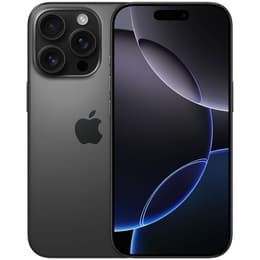

Galaxy Z Fold6 • Unlocked vs iPhone 16 Pro • Unlocked

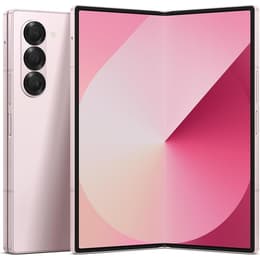
Galaxy Z Fold6 • Unlocked
Starting at

Refurbished price:$549.99

Versus $1,499.00 new

See options
iPhone 16 Pro • Unlocked
Starting at

Refurbished price:$621.98

Versus $999.00 new

See options

Ratings

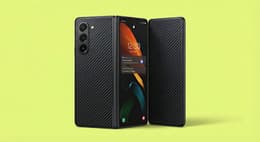
The Samsung Galaxy Z Fold6, released in July 2024, and the Apple iPhone 16 Pro, launched in September 2024, represent distinct approaches to high-end smartphone design and functionality. While the iPhone 16 Pro offers a traditional, powerful slab experience, the Galaxy Z Fold6 introduces a foldable form factor, transforming from a compact smartphone into a larger tablet-like device. These fundamental differences in design lead to varied user experiences, particularly concerning screen real estate, durability considerations, and software interaction, with the Z Fold6 running Android and the iPhone 16 Pro operating on iOS.

Scores

Durability

When considering the long-term usability of these devices, their release timelines and software support policies play a significant role.

  • Release and Support: The iPhone 16 Pro, released in September 2024, typically receives iOS updates for approximately 5-6 years from its launch. The Galaxy Z Fold6, launched in July 2024, benefits from Samsung's commitment to providing up to seven years of software updates for its flagship devices, including major Android updates and security patches. [10, 32]
  • Physical Durability: The iPhone 16 Pro features a titanium frame and a Ceramic Shield front, which Apple states is optimized for drop resistance. [11, 16, 28] However, some independent tests indicate that its ultra-thin bezels might make it susceptible to damage from certain drops. [24, 27] The Galaxy Z Fold6 utilizes an enhanced Armor Aluminum frame and Corning Gorilla Glass Victus 2 for its cover screen, alongside a reinforced hinge mechanism. [10, 23] Its internal folding screen, while improved, is not pure glass and can be more prone to scratches. [23, 29]
  • Environmental Resistance: Both devices offer water resistance, with the iPhone 16 Pro rated IP68, allowing submersion up to 6 meters for 30 minutes. [1, 31] The Galaxy Z Fold6 carries an IP48 rating, indicating protection against dust and water splashes, though some tests suggest its hinge can still accumulate dust. [7, 23, 40]

Release Year

2024

2024

Last OS Compatibility

Yes

Yes

Foldable

Yes

No

Performance

Both the Galaxy Z Fold6 and the iPhone 16 Pro are equipped with current-generation processors designed for demanding tasks, but they approach performance with different underlying architectures.

  • Processing Power: The iPhone 16 Pro is powered by Apple's A18 Pro chip, which delivers responsive performance for everyday applications and handles intensive gaming and video editing smoothly. [9, 21, 28] Users can expect quick app loading and fluid transitions. The Galaxy Z Fold6 features the Snapdragon 8 Gen 3 for Galaxy, which provides robust performance for multitasking, running complex applications, and immersive gaming experiences on its larger display. [7, 10, 42]
  • Multitasking and Memory: The iPhone 16 Pro comes with 8GB of RAM, which is efficiently managed by iOS to ensure smooth multitasking. [2, 21] The Galaxy Z Fold6 offers 12GB of RAM, providing ample capacity for running multiple applications simultaneously and managing numerous browser tabs without significant slowdowns. [7, 30]
  • Battery Behavior: The iPhone 16 Pro has a 3582 mAh battery, and its optimized software contributes to efficient power usage, often allowing for a full day of typical use. [1, 3, 8] The Galaxy Z Fold6 is equipped with a 4400 mAh battery, which, combined with its processor, aims to provide sufficient power for its dual-screen functionality throughout the day. [7, 10] Both devices support fast wired and wireless charging. [3, 42]

Memory (GB)

12 GB

8 GB

Screen quality

The display experience is a primary differentiator between these two devices, with the Galaxy Z Fold6 offering a unique foldable design compared to the iPhone 16 Pro's traditional slab form.

  • Display Technology and Clarity: The iPhone 16 Pro features a 6.3-inch Super Retina XDR OLED display, known for its deep blacks, vibrant colors, and sharp 2622 x 1206 resolution. [1, 6, 20] The Galaxy Z Fold6 boasts a 7.6-inch Dynamic AMOLED 2X main display when unfolded, offering a larger canvas with a 2160 x 1856 resolution, and a 6.3-inch Dynamic AMOLED 2X cover display when folded. [7, 30, 43]
  • Brightness and Refresh Rate: Both devices offer high brightness levels for visibility in various lighting conditions. The iPhone 16 Pro can reach up to 2000 nits peak brightness outdoors, and features an adaptive refresh rate up to 120Hz for smooth scrolling and responsive visuals. [1, 5, 13] The Galaxy Z Fold6's main and cover displays also feature adaptive 120Hz refresh rates and can achieve up to 2600 nits peak brightness, enhancing outdoor readability. [7, 42]
  • Viewing Experience: The iPhone 16 Pro provides an immersive viewing experience on its single, high-quality display with thinner bezels. [1, 20] The Galaxy Z Fold6 offers the versatility of a standard smartphone screen on its cover, and a larger, more expansive display when unfolded, suitable for media consumption, productivity, and split-screen multitasking. [7, 43]

Resolution

1856 x 2160

1206 x 2622

Screen type

Foldable Dynamic LTPO AMOLED 2X

LTPO Super Retina XDR OLED

Audiovisual

Both the iPhone 16 Pro and the Galaxy Z Fold6 are equipped with advanced camera systems designed to capture high-quality photos and videos, though with some differences in their configurations and features.

  • Rear Camera Systems: The iPhone 16 Pro features a triple camera setup including a 48MP Wide lens, a 48MP Ultra-Wide lens, and a 12MP 5x Telephoto lens. [1, 4, 17, 34] This system is designed for versatility, offering strong low-light performance and detailed wide-angle shots. The Galaxy Z Fold6 also comes with a triple rear camera system, comprising a 50MP Wide lens, a 12MP Ultra-Wide lens, and a 10MP Telephoto lens with 3x optical zoom. [30, 43]
  • Video Capabilities: The iPhone 16 Pro supports 4K video recording at up to 120 frames per second, including Dolby Vision and ProRes formats, and offers features like Cinematic mode and Spatial Video. [1, 4, 22, 25] The Galaxy Z Fold6 is capable of recording video in 8K resolution at 30 frames per second. [30]
  • Front Cameras and Audio: For selfies and video calls, the iPhone 16 Pro has a 12MP front camera. [4, 31] The Galaxy Z Fold6 includes a 10MP selfie camera on its cover display and a 4MP under-display camera on its main screen. [42, 43] Both devices offer quality microphone performance for calls and recordings, and stereo speakers for media playback. [1, 28, 31]

Main camera

50 megapixels

48 megapixels

Front camera

4 megapixels

12 megapixels

Miscellaneous

Beyond core performance and display, several practical elements contribute to the overall user experience of these devices.

  • Connectivity and Ports: The iPhone 16 Pro supports Wi-Fi 7 and Bluetooth 5.3, along with 5G cellular connectivity, and features a USB-C port for charging and data transfer. [1, 31, 33] The Galaxy Z Fold6 also offers 5G connectivity, Wi-Fi 6, and Bluetooth 5.3, utilizing a USB-C port. [36]
  • Biometric Security and Sensors: The iPhone 16 Pro relies on Face ID for secure facial recognition. [4, 31] The Galaxy Z Fold6 incorporates a side-mounted fingerprint sensor for biometric authentication. [7] Both devices include a range of sensors for navigation and user interaction.
  • Design and Handling: The iPhone 16 Pro has a weight of 199 grams and dimensions of 149.6 x 71.5 x 8.25 mm, featuring a titanium design that contributes to its premium feel. [6, 35] The Galaxy Z Fold6, being a foldable device, has different dimensions when folded (153.5 x 68.1 x 12.1 mm) and unfolded (153.5 x 132.6 x 5.6 mm), and weighs 239 grams. [7, 39, 42] Its wider cover screen aims to improve usability when folded. [29]

Weight

8 oz

7030 oz

Screen size (inches)

7.6

6.3

Network

5G

5G

SIM card

Physical SIM + eSIM

eSIM

Carrier compatibility

Unlocked

Unlocked

The iPhone 16 Pro and the Samsung Galaxy Z Fold6 cater to different user preferences, each excelling in distinct areas. Users often praise the iPhone 16 Pro for its consistent performance, robust software ecosystem, and high-quality camera system, particularly its video capabilities and overall image processing. [19, 22] Some common feedback points include its strong battery efficiency and the seamless integration within the Apple ecosystem. [8, 21]

The Galaxy Z Fold6, on the other hand, is frequently lauded for its innovative foldable design, offering a large, immersive display for productivity and media consumption. [43] Its multitasking capabilities, enabled by the expansive screen and Android's flexibility, are often highlighted by users. [42] However, some user discussions point to the inherent durability considerations of a folding screen, such as the crease and potential for dust ingress into the hinge, as areas of ongoing attention. [23, 29, 37]

Users prioritizing a traditional, highly refined smartphone experience with a focus on consistent performance, advanced photography, and a long software support window may find the iPhone 16 Pro well-suited to their needs. Conversely, individuals who value a versatile device that can transform into a larger screen for enhanced productivity, immersive entertainment, and advanced multitasking will likely lean towards the Galaxy Z Fold6. Both devices represent top-tier options in the smartphone market, and considering a quality-assured refurbished option can be an eco-friendly alternative for acquiring either of these advanced models.


See all articles

Our recent comparisons