
Compare models

Google Pixel 10 Pro XL • Unlocked vs Motorola Moto G Stylus 5G (2023) • Unlocked

  • 1-year warranty
  • Free standard shipping
  • Free 30-day returns
Google Pixel 10 Pro XL • Unlocked
Starting at

Refurbished price:$626.00

Versus $1,319.00 new

See options

Differences at a glance

The Google Pixel 10 Pro XL (2025) and the Motorola Moto G Stylus 5G (2023) represent two distinct approaches to modern mobile technology, balancing high-end capabilities with practical, everyday functionality. While the Pixel model focuses on flagship performance and a large, vibrant viewing space, the Motorola alternative centers its experience on integrated stylus utility and reliable mid-range efficiency. Both run on the Android operating system, though they offer different interface styles and update schedules. Choosing between these unlocked devices depends heavily on whether daily priorities lean toward intensive media consumption or note-taking versatility.

Available Models

Color

Storage

Scores

Durability

When examining hardware longevity and software support, both smartphones offer distinct timelines shaped by their respective release years and market tiers.

  • Software Support Schedule: The Pixel 10 Pro XL benefits from an extended multi-year update commitment, whereas the Motorola Moto G Stylus 5G operates on a shorter upgrade path tied to its 2023 release.
  • Expected Lifespan: High-tier build materials and robust internal memory configurations allow the Pixel model to maintain long-term reliability, while the Motorola device provides dependable service for standard daily tasks.
  • Repairability: Both manufacturers provide structured repair paths, though availability of components for current flagship devices generally spans a broader timeframe.

Release Year

2025

2023

OS

Android

Android

Foldable

No

No

Performance

Processing capabilities and daily system responsiveness vary considerably, reflecting the different hardware tiers of each device.

  • Multitasking and App Loading: The Pixel 10 Pro XL handles heavy gaming and demanding applications smoothly thanks to its high-capacity memory, whereas the Motorola device efficiently manages everyday messaging and web browsing.
  • Battery Behavior: Both units house large power cells designed to comfortably last through a full day of mixed usage under normal conditions.
  • Storage Capacity: The Pixel offers spacious internal storage tiers for extensive file libraries, while the Motorola includes expandable storage via a microSD card slot for added flexibility.

Screen quality

Visual output and display responsiveness differ notably in technology type, peak luminance, and motion smoothness.

  • Display Technology: The Pixel 10 Pro XL features a bright OLED panel with deep contrast levels, while the Motorola model utilizes a standard LCD screen for clear, everyday viewing.
  • Refresh Rate: A high adaptive refresh rate on the Pixel ensures fluid scrolling and animations, whereas the Motorola screen operates at a standard refresh frequency suitable for general tasks.
  • Outdoor Visibility: High peak brightness capabilities on the Pixel make outdoor screen legibility straightforward in direct sunlight, matching well with the needs of mobile professionals and travelers.

Resolution

1344 x 2992

1080 x 2400

Screen type

LTPO OLED

IPS LCD

Audiovisual

Optics and media playback hardware cater to varying levels of photography interest and audio consumption preferences.

  • Camera Systems: The Pixel 10 Pro XL includes a versatile triple-lens array with advanced computational processing for detailed low-light shots, while the Motorola device relies on a dual-camera setup for everyday snapshots.
  • Video and Audio: High-definition video recording and balanced stereo speakers provide an immersive media consumption experience on the flagship Pixel, whereas the Motorola model covers standard calling and casual viewing needs adequately.
  • Microphone Performance: Clear audio capture ensures crisp voice calls and voice notes across both handsets.

Main camera

Pro triple rear camera system

50 megapixels

Front camera

42 MP Dual PD selfie camera with autofocus

16 megapixels

Miscellaneous

Physical design elements, connectivity standards, and productivity tools define the ergonomic feel and daily usability of each smartphone.

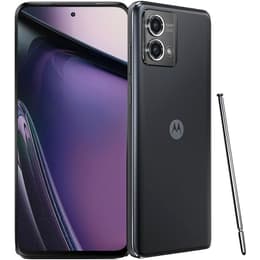
  • Stylus Integration: The Motorola device features a built-in physical stylus for handwritten notes and precise screen navigation, a feature absent on the Pixel.
  • Build and Handling: The Pixel 10 Pro XL combines glass and metal elements for a weighted, robust feel, while the Motorola uses a textured rear finish that aids grip during one-handed use.
  • Connectivity: Both models support modern 5G cellular networks, Wi-Fi standards, and Bluetooth pairing for reliable accessory connections.

Weight

1 oz

202 oz

Screen size (inches)

6.8

6.8

Network

5G

5G

SIM card

eSIM

Physical SIM

Carrier compatibility

Unlocked

Unlocked

Connector

USB-C

USB-C

What the community thinks

User feedback from online communities highlights distinct preferences for each smartphone. Owners of the Google Pixel 10 Pro XL frequently praise its clear display quality, responsive system speed, and reliable camera output in varied lighting conditions. At the same time, some users note its larger physical footprint requires deliberate handling. Conversely, users of the Motorola Moto G Stylus 5G frequently commend the practical convenience of the integrated pen tool and expandable storage options, though they occasionally point out that demanding games can push the processor to its limits.

Users prioritizing high-end photography, extended software longevity, and a smooth viewing experience may prefer the Google Pixel 10 Pro XL. Meanwhile, users prioritizing precise note-taking, expandable storage, and straightforward daily utility will find the Motorola Moto G Stylus 5G well-suited to their needs. For consumers looking to make a sustainable choice, opting for a quality-assured refurbished option through Back Market provides an eco-friendly alternative that extends device life cycles without compromising on performance standards.

Our recent comparisons