
Google Pixel 6a • Unlocked vs iPhone 16 Plus • Unlocked

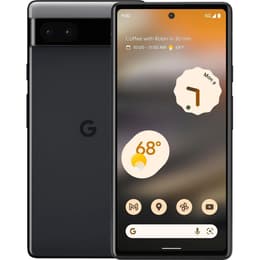
Google Pixel 6a • Unlocked
Starting at

Refurbished price:$141.00

Versus $399.00 new

See options
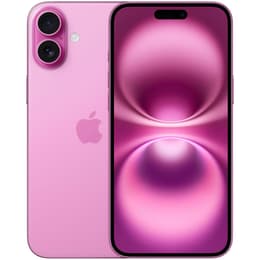
iPhone 16 Plus • Unlocked
Starting at

Refurbished price:$575.98

Versus $829.00 new

See options

Ratings

The Google Pixel 6A, released in July 2022, is a compact Android smartphone known for its computational photography and efficient performance. In contrast, the iPhone 16 Plus, launched in September 2024, represents a more recent and larger iOS device, featuring Apple's latest hardware and software innovations. While both devices offer robust smartphone experiences, the primary differentiators lie in their operating systems, generational advancements in processing power, and display technologies.

Scores

Durability

When considering the long-term usability of a smartphone, software support and physical resilience are key factors. The Pixel 6A and iPhone 16 Plus offer different timelines for updates and varying levels of physical durability.

  • Software Longevity: The Google Pixel 6A, running Android, was released with Android 12 and is expected to receive OS updates until at least July 2025, with security updates extending to July 2027. [2, 15, 27, 47] The iPhone 16 Plus, an iOS device, typically receives major iOS updates for approximately five to seven years from its release, with security patches often continuing for an even longer duration. [4, 8, 16, 29, 38] This suggests the iPhone 16 Plus will benefit from a longer period of feature and security updates.
  • Physical Durability: The Pixel 6A features a Gorilla Glass 3 front and an IP67 rating for dust and water resistance, meaning it can withstand immersion in up to 1 meter of water for 30 minutes. [2] The iPhone 16 Plus incorporates a Ceramic Shield front and boasts an IP68 rating, allowing for submersion in up to 6 meters of water for 30 minutes, indicating enhanced protection against drops and water ingress. [13, 31]
  • Repairability: Both devices are designed with modern smartphone construction, which can present challenges for user-initiated repairs. However, the availability of parts and professional repair services typically remains robust for several years post-launch for both ecosystems.

Release Year

2022

2024

Last OS Compatibility

Yes

Yes

Foldable

No

No

Performance

The performance of a smartphone is largely determined by its internal processing unit and how efficiently it manages tasks and power. The Pixel 6A and iPhone 16 Plus showcase different approaches to delivering a responsive user experience.

  • Processing Power: The Google Pixel 6A is powered by Google's first-generation Tensor chip, which provides capable performance for everyday applications, smooth multitasking, and satisfactory gaming experiences. [5, 33] The iPhone 16 Plus features Apple's A18 chip, a more recent 3nm processor with a powerful 16-core Neural Engine, designed to handle demanding applications, advanced AI features, and graphics-intensive tasks with greater efficiency and speed. [32]
  • Multitasking and Responsiveness: Users of the Pixel 6A generally report a fluid experience when switching between apps and navigating the interface, with the Tensor chip optimizing performance for Google's Android operating system. [33, 41] The iPhone 16 Plus, with its newer generation chip and iOS optimization, offers a highly responsive and smooth user experience, particularly noticeable in app loading times and complex multitasking scenarios.
  • Battery Behavior: The Pixel 6A, equipped with a 4410 mAh battery, typically provides a full day of use for most users, extending to a day and a half with moderate usage. [3, 5, 9, 14] The iPhone 16 Plus, with a 4674 mAh battery, is noted for its excellent battery life, often lasting into a second day for many users, and supports faster wired charging up to 27-30W, along with MagSafe and Qi2 wireless charging. [18, 31, 36, 37]

Memory (GB)

6 GB

8 GB

Screen quality

The visual experience on a smartphone is heavily influenced by its display technology, resolution, and refresh rate. The Pixel 6A and iPhone 16 Plus offer distinct screen characteristics.

  • Display Technology and Clarity: The Google Pixel 6A features a 6.1-inch OLED display with a Full HD+ resolution (2400 x 1080 pixels), providing vibrant colors and deep blacks. [2, 19] The iPhone 16 Plus comes with a larger 6.7-inch Super Retina XDR OLED display, offering a higher resolution of 2796 x 1290 pixels at 460 pixels per inch, which translates to a slightly sharper and more expansive viewing area. [35, 40]
  • Brightness and Outdoor Visibility: The Pixel 6A's display has been noted by some users as not being bright enough for comfortable outdoor viewing in direct sunlight. [33] The iPhone 16 Plus offers significantly higher brightness levels, with a typical maximum of 1000 nits, peak HDR brightness of 1600 nits, and an impressive 2000 nits peak brightness for outdoor use, enhancing visibility in bright conditions. [13, 40]
  • Refresh Rate and Smoothness: The Pixel 6A has a standard 60Hz refresh rate, which provides a consistent visual experience, though some reports suggest the panel is capable of higher rates but is software-limited. [6, 12, 20, 23, 25] The iPhone 16 Plus also features a 60Hz refresh rate, meaning that scrolling and animations appear smooth, but it does not include the higher ProMotion (120Hz) technology found in Apple's Pro models. [13, 26, 43, 44]

Resolution

1080 x 2400

1290 x 2796

Screen type

OLED

Super Retina XDR OLED

Audiovisual

Camera capabilities are a significant consideration for many smartphone users, and both the Pixel 6A and iPhone 16 Plus excel in different aspects of photography and videography.

  • Rear Camera System: The Google Pixel 6A is equipped with a dual-camera setup, featuring a 12.2MP main sensor with optical image stabilization (OIS) and a 12MP ultrawide lens. [1, 2, 10] It is highly praised for its computational photography, delivering excellent image quality, especially in everyday and low-light conditions, and includes features like Night Sight and Magic Eraser. [1, 17, 22, 33, 41] The iPhone 16 Plus features a more advanced dual-camera system, including a 48MP main sensor and a 12MP ultrawide lens, with a new vertical layout that enables Spatial Video capture. [28, 31, 32]
  • Front Camera and Video Quality: The Pixel 6A has an 8MP front camera and can record 4K video at 30/60 frames per second (fps) with its rear cameras. [1, 10] The iPhone 16 Plus offers a 12MP front camera and is capable of high-quality video recording, benefiting from its newer processor for enhanced video processing and features. [28, 31]
  • Photography Features: While the Pixel 6A is lauded for its consistent and natural-looking photos, particularly its portrait mode and dynamic range, it lacks a dedicated telephoto lens. [1, 7, 17, 22] The iPhone 16 Plus's camera system, with its higher resolution main sensor and advanced processing, provides detailed images and supports features like Spatial Video, offering a versatile photography and videography experience. [28, 31, 32]

Main camera

12.2 megapixels

48 megapixels

Front camera

8 megapixels

12 megapixels

Miscellaneous

Beyond core features, several practical elements contribute to the overall user experience. The Pixel 6A and iPhone 16 Plus differ in their connectivity, physical design, and additional functionalities.

  • Connectivity and Ports: The Google Pixel 6A supports 5G connectivity, Wi-Fi 6, and Bluetooth 5.2, and features a USB-C port for charging and data transfer, though it lacks a headphone jack. [2, 19, 24, 41] The iPhone 16 Plus also supports 5G, but includes newer standards like Wi-Fi 7 and Bluetooth 5.3, and utilizes a USB-C port, aligning with current industry trends. [28, 31]
  • Design and Handling: The Pixel 6A is a more compact device, weighing 178 grams and featuring a 6.1-inch display, making it comfortable for one-handed use. [11, 33, 41] It has a plastic back and an aluminum frame. [24] The iPhone 16 Plus is larger and slightly heavier at 199 grams, with a 6.7-inch display, offering a more expansive screen experience. [31, 35] It features an aluminum design with a color-infused glass back. [35]
  • Additional Features: The Pixel 6A includes an in-display fingerprint sensor for biometric authentication. [2, 41] The iPhone 16 Plus relies on Face ID for secure authentication and introduces new physical controls such as an Action Button and a dedicated Camera Control button, offering customizable shortcuts and enhanced camera access. [13, 26, 30, 32, 44]

Weight

6 oz

7030 oz

Screen size (inches)

6.1

6.7

Network

5G

5G

SIM card

Physical SIM + eSIM

eSIM

Carrier compatibility

Unlocked

Unlocked

The Google Pixel 6A and iPhone 16 Plus cater to different user preferences, largely due to their release timelines and operating system ecosystems. Users frequently praise the Pixel 6A for its exceptional camera performance, especially considering its segment, and its clean Android software experience. [33, 41, 45] Its compact size is also a common positive, making it easy to handle. [33, 41] However, some users have noted its 60Hz display and outdoor screen brightness as areas where it doesn't match more premium devices. [33, 46]

The iPhone 16 Plus, being a newer device, receives acclaim for its significantly extended battery life, often lasting well over a day for many users, and its powerful A18 chip, which ensures smooth performance across all tasks. [36, 37, 39] The larger, vibrant OLED display and the introduction of features like the Action Button and Camera Control button are also frequently highlighted. [26, 30, 43, 44] A common point of discussion, however, is the absence of a higher refresh rate display, which is reserved for the Pro models. [13, 43, 44]

Users prioritizing a highly capable camera in a compact Android device with a clean software experience may find the Google Pixel 6A well-suited to their needs. Conversely, those who value a larger display, extended software support, superior battery life, and the latest iOS features, along with enhanced durability, may lean towards the iPhone 16 Plus. Both devices are available as quality-assured refurbished options, providing an eco-friendly alternative for consumers seeking to make informed and sustainable choices.
See all articles

Our recent comparisons