
Google Pixel 7a • Unlocked vs iPhone 16 Plus • Unlocked

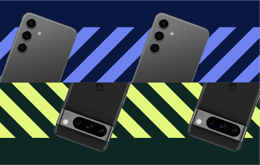
Google Pixel 7a • Unlocked
Starting at

Refurbished price:$163.00

Versus $899.99 new

See options
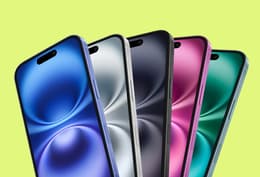
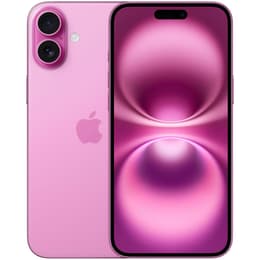
iPhone 16 Plus • Unlocked
Starting at

Refurbished price:$575.98

Versus $829.00 new

See options

Ratings

The Google Pixel 7a, released in May 2023, and the iPhone 16 Plus, launched in September 2024, represent distinct approaches to the smartphone experience. While the Pixel 7a offers a compact design with a strong focus on computational photography and Google's Android ecosystem, the iPhone 16 Plus provides a larger display, a robust Apple iOS experience, and an advanced camera system. Both devices cater to users seeking reliable performance and capable cameras, but they differ significantly in their operating systems and overall design philosophies.

Scores

Durability

When considering the long-term usability of these devices, their release timelines and software support are key factors. The Pixel 7a, having been released in May 2023, typically receives several years of Android version updates and security patches, extending its practical lifespan. The iPhone 16 Plus, a newer device from September 2024, benefits from Apple's generally longer software support cycle, often receiving major iOS updates for five to six years or more from its release date.

  • Software Longevity: The iPhone 16 Plus is expected to receive software updates for a longer duration compared to the Pixel 7a, offering extended access to new features and security enhancements.
  • Physical Durability: The Pixel 7a features Corning Gorilla Glass 3 for screen protection and an IP67 rating for dust and water resistance. Durability tests have shown it to be quite robust against bending. The iPhone 16 Plus incorporates Apple's Ceramic Shield on the front and an aluminum frame, demonstrating strong resistance to scratches and bends in durability assessments.
  • Repairability: While both devices are designed with modern smartphone construction, the iPhone 16 Plus has been noted for potentially easier battery repair due to a new electrically de-bonding adhesive.

Release Year

2023

2024

Last OS Compatibility

Yes

Yes

Foldable

No

No

Performance

The performance of a smartphone is central to the user experience, influencing everything from app responsiveness to multitasking capabilities. These two devices offer different hardware and software optimizations that impact their daily operation.

  • System Responsiveness: The Pixel 7a is powered by Google's Tensor G2 processor, which is optimized for AI and machine learning tasks, contributing to smooth navigation and efficient handling of everyday applications. The iPhone 16 Plus features a current-generation Apple processor, designed to deliver strong performance for demanding applications, gaming, and seamless multitasking within the iOS ecosystem.
  • Multitasking and Storage: Both devices come with 8GB of RAM, which supports efficient multitasking and keeps multiple applications running in the background without significant slowdowns. The Pixel 7a offers 128GB of non-expandable internal storage, while the iPhone 16 Plus provides multiple storage options, including 128GB, 256GB, and 512GB, catering to users with varying storage needs.
  • Battery Behavior: The Pixel 7a has a 4385 mAh battery, with user experiences varying from decent to inconsistent, particularly for heavy users or during prolonged gaming sessions. The iPhone 16 Plus, with a 4006 mAh battery, has received positive feedback for its overall battery life, capable of supporting extensive photo and video capture throughout a day.

Memory (GB)

8 GB

8 GB

Screen quality

The display is a primary interface for any smartphone, and both the Pixel 7a and iPhone 16 Plus offer vibrant viewing experiences with distinct characteristics.

  • Display Technology and Clarity: The Pixel 7a features a 6.1-inch OLED display with a resolution of 2400 x 1080 pixels, providing sharp images and deep blacks. The iPhone 16 Plus boasts a larger 6.7-inch Super Retina XDR OLED display with a resolution of 2796 x 1290 pixels at 460 pixels per inch, offering excellent clarity and color accuracy.
  • Refresh Rate and Smoothness: The Pixel 7a supports a 90 Hz refresh rate, which contributes to smoother scrolling and a more fluid visual experience compared to standard 60 Hz displays. The iPhone 16 Plus maintains a 60 Hz refresh rate, which is standard but does not offer the same level of visual fluidity as higher refresh rate screens.
  • Brightness and Viewing Experience: Both displays support HDR content, enhancing contrast and color for media consumption. The iPhone 16 Plus also includes features like True Tone and Wide Color (P3) for accurate color representation, and its larger screen size, coupled with the Dynamic Island, provides an expansive viewing area for content.

Resolution

1080 x 2400

1290 x 2796

Screen type

OLED

Super Retina XDR OLED

Audiovisual

Both the Google Pixel 7a and the iPhone 16 Plus are equipped with advanced camera systems, each excelling in different aspects of photography and videography.

  • Rear Camera System: The Pixel 7a features a dual-camera setup with a 64 MP wide main lens (f/1.9, OIS) and a 13 MP ultrawide lens (f/2.2, 120˚ field of view). It is highly praised for its computational photography, producing crisp shots with good dynamic range and color. The iPhone 16 Plus comes with an advanced dual-camera system, including a 48 MP Fusion main camera (f/1.6, OIS, 2x optical zoom in) and a 12 MP ultrawide camera (f/2.2, 120° field of view). It also supports macro photography.
  • Photography Performance: The Pixel 7a excels in everyday photography and offers good low-light performance, with fast image processing. Its Super Res Zoom provides decent 2x digital zoom, but anything beyond that may lack detail. The iPhone 16 Plus delivers detailed photos with good dynamic range and natural colors across various lighting conditions, including strong low-light capabilities.
  • Video Recording and Front Camera: Both devices are capable of recording 4K video at 30/60fps. The Pixel 7a has a 13 MP ultrawide front camera (f/2.2) that can record 4K video at 30fps. The iPhone 16 Plus features a 12 MP front camera (f/1.9) with autofocus and supports 4K Dolby Vision video recording. The iPhone 16 Plus also introduces spatial video recording, which can be viewed with compatible headsets.

Main camera

64 megapixels

48 megapixels

Front camera

13 megapixels

12 megapixels

Miscellaneous

Beyond core performance and camera capabilities, several practical elements contribute to the overall user experience of a smartphone.

  • Connectivity and Ports: The Pixel 7a supports Wi-Fi 6E, Bluetooth 5.3, and 5G connectivity, along with a USB-C 3.2 port. The iPhone 16 Plus also supports 5G and is tipped to include Wi-Fi 6E connectivity. It features a USB-C port, aligning with modern connectivity standards.
  • Biometric Security: The Pixel 7a includes a fingerprint sensor for secure unlocking, though some users have reported inconsistencies. The iPhone 16 Plus relies on Face ID for secure facial recognition, a consistent feature across recent iPhone models.
  • Design and Handling: The Pixel 7a has dimensions of 152 mm (height) x 72.9 mm (width) x 9 mm (depth) and weighs 193.5 grams, offering a more compact form factor. The iPhone 16 Plus is a larger device, measuring 160.9 mm (height) x 77.8 mm (width) x 7.80 mm (depth) and weighing 199 grams, providing a more expansive screen experience. The Pixel 7a features a plastic back panel, while the iPhone 16 Plus uses a color-infused glass back with an aluminum design.

Weight

7 oz

7030 oz

Screen size (inches)

6.1

6.7

Network

5G

5G

SIM card

Physical SIM + eSIM

eSIM

Carrier compatibility

Unlocked

Unlocked

The Google Pixel 7a and iPhone 16 Plus cater to different user preferences, each offering a compelling set of features. Users frequently praise the Pixel 7a for its exceptional camera performance, particularly its computational photography capabilities that deliver high-quality images, often comparable to more expensive devices. Its clean Android experience and AI-driven features are also commonly highlighted as strengths. However, some users have noted concerns regarding its battery life, which can be inconsistent for heavy usage, and occasional heating issues. The charging speed is also a frequent point of criticism.

The iPhone 16 Plus is often lauded for its robust and intuitive iOS operating system, its large and vibrant Super Retina XDR display, and its advanced camera system that excels in both photography and video recording, including new spatial video capabilities. Its overall performance and durability, featuring Ceramic Shield, are also strong points for many users. A common point of discussion for the iPhone 16 Plus is its 60 Hz display, which some users might find less fluid compared to devices with higher refresh rates.

Users prioritizing a compact device with a strong emphasis on computational photography and a pure Android experience may find the Pixel 7a well-suited to their needs. Those who value a larger display, a consistently powerful performance within the Apple ecosystem, advanced video features, and a longer software support window will likely lean towards the iPhone 16 Plus. Both devices offer quality-assured refurbished options, providing an eco-friendly alternative for consumers looking to make informed and sustainable choices.

See all articles

Our recent comparisons