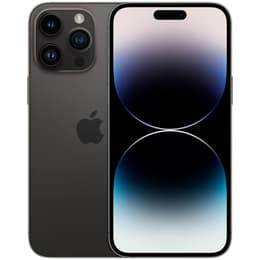

Google Pixel 8 Pro • Unlocked vs iPhone 14 Pro Max • Locked AT&T

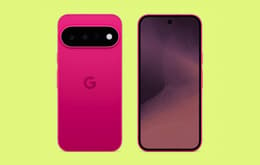
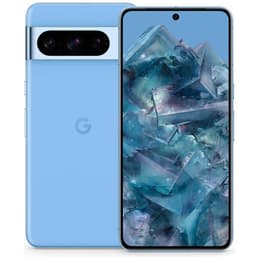
Google Pixel 8 Pro • Unlocked
Starting at

Refurbished price:$296.00

Versus $899.99 new

See options
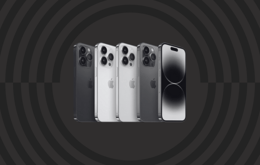
iPhone 14 Pro Max • Locked AT&T
Starting at

Refurbished price:$409.00

Versus $1,399.00 new

See options

Ratings

The Google Pixel 8 Pro, released in October 2023, and the iPhone 14 Pro Max, launched in September 2022, represent flagship smartphones from their respective ecosystems. While both offer premium experiences, they diverge significantly in their operating systems, with the Pixel running Android and the iPhone on iOS, and in their approach to camera technology and software longevity. Choosing between them often comes down to a preference for either Google's AI-driven features and extended software support or Apple's integrated ecosystem and established performance. For those considering a quality-assured refurbished option, both models are available, offering an eco-friendly alternative to purchasing new.

Scores

Durability

When evaluating the long-term usability of these devices, their release timelines and software support policies are key factors.

  • Release Timeline and Age: The Google Pixel 8 Pro is the newer device, having been released in October 2023. The iPhone 14 Pro Max was released earlier, in September 2022. This difference in launch dates impacts their remaining support cycles.
  • OS Support Duration: Google has committed to an impressive seven years of OS and security updates for the Pixel 8 Pro, extending its software lifespan significantly, potentially until late 2030. The iPhone 14 Pro Max, while known for strong software support, typically receives iOS updates for about five to six years from its release. This means the Pixel 8 Pro offers a longer guaranteed period of receiving the latest software features and security patches.
  • Expected Practical Lifespan: Both devices are built to last, featuring robust materials and IP68 water and dust resistance. However, the Pixel 8 Pro's extended software commitment suggests a longer practical lifespan for users who prioritize having the most current operating system and security features.

Release Year

2023

2022

Last OS Compatibility

Yes

Yes

OS

Android

iOS

Foldable

No

No

Performance

Both smartphones deliver robust performance for daily tasks, but their underlying architectures and optimization strategies differ.

  • Everyday Responsiveness: The iPhone 14 Pro Max provides a consistently fluid experience, handling demanding applications and multitasking with ease. The Google Pixel 8 Pro also offers smooth performance across applications and during heavy multitasking, optimized for its AI-centric features.
  • Gaming and Intensive Tasks: For graphically intensive games and demanding applications, the iPhone 14 Pro Max maintains high frame rates and responsiveness. The Pixel 8 Pro also performs well in these scenarios, though some benchmarks indicate that its processing unit prioritizes AI tasks and efficiency over raw graphical power, which can lead to performance throttling under sustained heavy loads.
  • Battery Behavior: The iPhone 14 Pro Max is equipped with a 4323 mAh battery, which typically provides extended usage, often lasting through a full day for most users. The Google Pixel 8 Pro features a larger 5050 mAh battery, contributing to its ability to last a full day or more for many users.
  • Storage and Multitasking: Both devices offer various storage configurations. The Pixel 8 Pro comes with 12GB of RAM, which aids in keeping numerous applications open simultaneously without slowdowns. The iPhone 14 Pro Max features 6GB of RAM, which is efficiently managed by iOS to provide seamless multitasking.

Memory (GB)

12 GB

6 GB

Screen quality

The display experience on both devices is premium, offering vibrant visuals and smooth interactions, though with some distinctions in technology and peak brightness.

  • Display Technology: The iPhone 14 Pro Max features a 6.7-inch Super Retina XDR OLED display, known for its deep blacks and accurate color reproduction. The Google Pixel 8 Pro also sports a 6.7-inch LTPO OLED display, which Google refers to as 'Super Actua', offering rich colors and contrast.
  • Resolution and Clarity: The Pixel 8 Pro has a resolution of 1344 x 2992 pixels, resulting in sharp images and text. The iPhone 14 Pro Max offers a resolution of 1290 x 2796 pixels, providing excellent clarity for all content.
  • Brightness Levels: For outdoor visibility, the Pixel 8 Pro can reach a peak brightness of up to 2400 nits, making content highly legible even in direct sunlight. The iPhone 14 Pro Max achieves a peak brightness of up to 2000 nits, ensuring good visibility in bright conditions.
  • Refresh Rate and Smoothness: Both phones feature adaptive refresh rates that can scale from 1Hz to 120Hz, providing smooth scrolling and animations while conserving battery life when static content is displayed.
  • Unique Display Features: The iPhone 14 Pro Max includes the Dynamic Island, an interactive area around the front camera cutout that displays alerts and background activities.

Resolution

1344 x 2992

1290 x 2796

Screen type

LTPO OLED

LTPO Super Retina XDR OLED

Audiovisual

Both smartphones are celebrated for their advanced camera systems, each offering distinct strengths in photography and videography.

  • Rear Camera Systems: The Google Pixel 8 Pro features a versatile triple-camera setup, including a 50MP main sensor, a 48MP ultrawide lens, and a 48MP telephoto lens with 5x optical zoom. The iPhone 14 Pro Max also has a triple-camera system, comprising a 48MP main sensor, a 12MP ultrawide, and a 12MP telephoto lens with 3x optical zoom.
  • Photography Performance: The Pixel 8 Pro excels in computational photography, leveraging its processing unit for features like Magic Eraser, Best Take, and enhanced low-light performance across all lenses. The iPhone 14 Pro Max delivers consistent and natural-looking photos with strong detail and color accuracy, particularly benefiting from its Photonic Engine for improved mid-to-low light performance.
  • Video Recording Quality: The iPhone 14 Pro Max is highly regarded for its video capabilities, offering features like Cinematic Mode for depth-of-field effects and Action Mode for stabilized handheld footage, alongside ProRes video recording for professional workflows. The Pixel 8 Pro also offers high-quality video recording, with improvements in stability and clarity, and introduces features like Video Boost for enhanced video processing.
  • Front Camera: Both devices feature capable front-facing cameras for high-quality selfies and video calls. The Pixel 8 Pro has a 10.5MP front camera with autofocus, while the iPhone 14 Pro Max has a 12MP TrueDepth camera with autofocus and advanced facial recognition.

Main camera

50 megapixels

48 megapixels

Front camera

10.5 megapixels

12 megapixels

Miscellaneous

Beyond core performance, several practical elements differentiate the user experience of these two devices.

  • Connectivity Options: Both phones support 5G for fast mobile data. The Google Pixel 8 Pro supports Wi-Fi 7, offering the latest in wireless networking speeds, and Bluetooth 5.3. The iPhone 14 Pro Max supports Wi-Fi 6 and Bluetooth 5.3.
  • Port Types: The Pixel 8 Pro utilizes a USB-C port for charging and data transfer, aligning with a more universal standard. The iPhone 14 Pro Max uses Apple's proprietary Lightning port.
  • Biometric Security: The Pixel 8 Pro offers both an under-display fingerprint sensor and face unlock for secure access. The iPhone 14 Pro Max relies exclusively on its Face ID system for secure facial recognition.
  • Physical Characteristics: The Pixel 8 Pro measures 162.6 x 76.5 x 8.8 mm and weighs 213 grams. The iPhone 14 Pro Max is slightly larger and heavier at 160.7 x 77.6 x 7.85 mm and 240 grams. Both devices feature premium build materials, with the Pixel 8 Pro using Gorilla Glass Victus 2 on the front and the iPhone 14 Pro Max featuring Ceramic Shield for enhanced screen durability.

Weight

7 oz

8 oz

Screen size (inches)

6.7

6.7

Network

5G

5G

SIM card

Physical SIM + eSIM

eSIM

Carrier compatibility

Unlocked

AT&T

Connector

USB-C

Lightning

The Google Pixel 8 Pro and iPhone 14 Pro Max each offer compelling features, catering to different user preferences. Users often praise the Pixel 8 Pro for its exceptional camera capabilities, particularly its advanced computational photography features and the promise of seven years of software updates, which provides significant long-term value. Some users, however, note that its raw performance, while strong, may not always match the peak benchmarks of its competitors under sustained heavy loads. The iPhone 14 Pro Max is frequently lauded for its consistent performance, robust ecosystem, and strong video recording features, with many appreciating its reliable battery life. Some criticisms occasionally point to the proprietary Lightning port and the absence of an in-display fingerprint sensor.

Users prioritizing cutting-edge AI camera features, a longer software support window, and the Android ecosystem will find the Google Pixel 8 Pro well-suited to their needs. Conversely, individuals who value a highly integrated ecosystem, consistent raw performance, and advanced video capabilities may lean towards the iPhone 14 Pro Max. Both devices represent excellent choices, and considering a refurbished option for either model can be a sustainable way to access these premium features.

See all articles

Our recent comparisons