
Samsung
Compare models
Differences at a glance
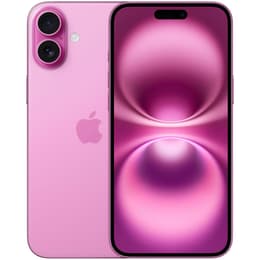
The Google Pixel 8a, released in May 2024, and the iPhone 16 Plus, launched in September 2024, represent distinct approaches to the modern smartphone experience. While the Pixel 8a operates on Google's Android platform, emphasizing AI-driven features and a compact design, the iPhone 16 Plus runs on Apple's iOS, offering a larger display and a focus on integrated hardware and software performance. These devices cater to users with differing preferences for operating systems and form factors, each bringing a unique set of capabilities to the table.
Color
Storage
When considering the long-term usability of these devices, their respective release timelines and software support policies are key differentiators.
Release Year
Last OS Compatibility
Foldable
The performance of a smartphone is central to its daily utility, influencing everything from app responsiveness to demanding tasks.
The display is a primary interface for smartphone interaction, and both devices offer vibrant viewing experiences with distinct characteristics.
Resolution
Screen type
Photography and videography capabilities are often a deciding factor for smartphone users, and both models offer advanced camera systems.
Main camera
Front camera
Beyond core features, several practical elements contribute to the overall user experience and device utility.
Weight
Screen size (inches)
Network
SIM card
Carrier compatibility
Connector
The Google Pixel 8a and iPhone 16 Plus cater to different user priorities, each excelling in specific areas. Users frequently praise the Pixel 8a for its exceptional camera capabilities, particularly its computational photography and AI-driven features, which consistently produce high-quality images. Its commitment to seven years of software updates is also a significant advantage, offering long-term value and security. Some users, however, have noted that while its performance is generally smooth, it might not match the raw power of higher-end flagships in extremely demanding scenarios, and some report occasional heating during intensive use.
The iPhone 16 Plus is often lauded for its robust performance, driven by the A18 Bionic chip, making it a strong contender for users who engage in intensive gaming or require powerful processing for creative tasks. Its larger, vibrant OLED display and enhanced durability features, including Ceramic Shield and IP68 water resistance, are also frequently highlighted as strong points. Criticisms, though less common for a newly released device, often revolve around the iOS ecosystem's perceived limitations for customization compared to Android.
Users prioritizing an extended software support lifespan, a compact design, and advanced computational photography will find the Google Pixel 8a well-suited to their needs. Its AI features and consistent updates make it a compelling choice for those seeking a smart and long-lasting Android experience. Conversely, users who value a larger, immersive display, top-tier raw performance for demanding applications, and the integrated ecosystem of iOS may lean toward the iPhone 16 Plus. Both devices offer quality-assured refurbished options, providing an eco-friendly alternative for consumers looking to make a sustainable choice while still enjoying premium smartphone technology.