Samsung
Compare models
Differences at a glance
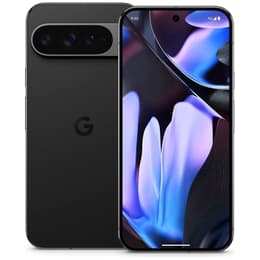
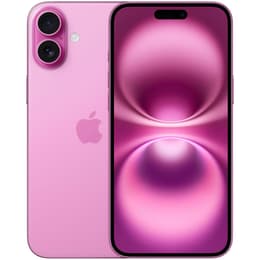
The Google Pixel 9 Pro XL, released in August 2024, and the iPhone 16 Plus, launched in September 2024, represent the latest large-screen offerings from their respective manufacturers. While both devices aim to deliver a premium smartphone experience, they approach core functionalities with distinct philosophies, particularly in their camera systems, software integration, and display technologies.
Color
Storage
The longevity of a smartphone is influenced by its build quality, software support, and ease of repair. Both the Pixel 9 Pro XL and the iPhone 16 Plus are designed for extended use, but their update policies and repair ecosystems present different long-term prospects.
Release Year
Last OS Compatibility
Foldable
Both the Google Pixel 9 Pro XL and the iPhone 16 Plus are equipped with advanced internal components designed to handle demanding tasks and provide a fluid user experience. Their performance capabilities are tailored to their respective operating systems and user ecosystems.
The visual experience on a smartphone is largely defined by its display. Both the Google Pixel 9 Pro XL and the iPhone 16 Plus offer large, vibrant screens, but they differ in technology and refresh rate.
Resolution
Screen type
Both the Google Pixel 9 Pro XL and the iPhone 16 Plus are equipped with advanced camera systems, leveraging computational photography and hardware enhancements to capture high-quality images and videos. Their approaches and specific features cater to different photographic preferences.
Main camera
Front camera
Beyond core performance, several practical elements contribute to the overall user experience of the Google Pixel 9 Pro XL and the iPhone 16 Plus, including connectivity, physical design, and unique features.
Weight
Screen size (inches)
Network
SIM card
Carrier compatibility
The Google Pixel 9 Pro XL and the iPhone 16 Plus each present a compelling package for users seeking a large-screen smartphone, with distinct strengths that cater to different priorities. User sentiment often highlights the Pixel's camera capabilities and its deep integration with Google's AI ecosystem as significant advantages. The extended software support for the Pixel is also a frequently praised aspect, offering long-term value and access to the latest Android innovations. Some users might find the Pixel's design, particularly the camera bar, to be a defining characteristic.
Conversely, the iPhone 16 Plus is often lauded for its consistent performance, the intuitive iOS experience, and the robust Apple ecosystem. The introduction of the Action Button and Apple Intelligence features are generally well-received, enhancing user interaction and smart capabilities. While its display refresh rate remains at 60Hz, users typically appreciate the display's color accuracy and brightness. Criticisms for either device are often subjective, relating to personal preferences in operating system or design aesthetics.
Users prioritizing cutting-edge AI integration, a highly versatile camera system with extensive zoom capabilities, and a longer guaranteed software update period may find the Google Pixel 9 Pro XL well-suited to their needs. Its high-resolution, high-refresh-rate display also appeals to those who value a fluid visual experience. On the other hand, users who prefer the seamless integration of the Apple ecosystem, a refined user interface, and innovative physical controls like the Action Button, along with strong overall performance, may lean towards the iPhone 16 Plus. Both devices offer a quality-assured refurbished option, providing a sustainable choice for consumers looking to make an informed purchasing decision.