
Samsung
Compare models
Differences at a glance
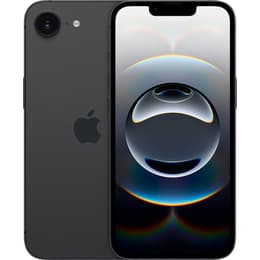
The Google Pixel 9 Pro XL, released in August 2024, and the iPhone 16E, launched in February 2025, represent distinct approaches to the modern smartphone experience. While the Pixel 9 Pro XL emphasizes advanced computational photography and a large display within the Android ecosystem, the iPhone 16E offers a streamlined iOS experience with a focus on core performance and a compact form factor. These devices cater to different user preferences, primarily differing in their camera versatility, display technology, and overall software philosophy.
Color
Storage
The longevity of a smartphone is influenced by its release timeline, software support, and physical durability. The Google Pixel 9 Pro XL, launched in August 2024, benefits from Google's commitment to extended software support. The iPhone 16E, released in February 2025, had a relatively short market presence, being discontinued in March 2026.
Release Year
OS
Foldable
Performance in modern smartphones is about more than just raw speed; it encompasses how smoothly the device handles daily tasks, demanding applications, and multitasking. Both the Pixel 9 Pro XL and the iPhone 16E are equipped with powerful processors designed for efficient operation within their respective ecosystems.
The display is a primary interface for smartphone interaction, and both devices offer high-quality viewing experiences, though with some key differences in specifications and features.
Resolution
Screen type
Both the Google Pixel 9 Pro XL and the iPhone 16E offer capable camera systems, but they differ significantly in their hardware configurations and photographic capabilities.
Main camera
Front camera
Beyond core performance and camera, several practical features contribute to the overall user experience and differentiate these two smartphones.
Weight
Screen size (inches)
Network
SIM card
Carrier compatibility
The Google Pixel 9 Pro XL and the iPhone 16E cater to users with distinct priorities. The Pixel 9 Pro XL, released in August 2024, is often praised for its exceptional camera system, particularly its computational photography, and its commitment to seven years of software updates. Users frequently highlight its strong battery life and the vibrant, high-refresh-rate display as significant advantages. Some common criticisms, however, point to its video recording capabilities not always matching its still photography prowess, and its larger size might not appeal to all users.
The iPhone 16E, launched in February 2025 and discontinued in March 2026, was noted for its robust core performance driven by the A18 chip and its surprisingly strong battery life for a device of its size. Users appreciated its compact form factor and the integration of Apple Intelligence. However, its single rear camera system, lack of advanced photographic features like ProRAW, and a 60Hz display were frequently mentioned as areas where it lagged behind more premium offerings. Its short market availability also makes it a unique consideration.
Users prioritizing a comprehensive and versatile camera system, a large and fluid display, and the longest possible software support within the Android ecosystem will find the Google Pixel 9 Pro XL well-suited to their needs. Conversely, those who prefer a more compact device, a streamlined iOS experience, and strong core performance for everyday tasks may lean towards the iPhone 16E. Both devices offer a quality-assured refurbished option, providing an eco-friendly alternative for consumers seeking reliable technology. The choice ultimately depends on whether a user values photographic versatility and extended software longevity over a more compact design and the specific advantages of the iOS ecosystem.