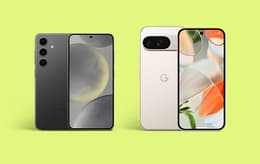
Google Pixel 9 Pro • Unlocked vs iPhone 14 • Locked AT&T

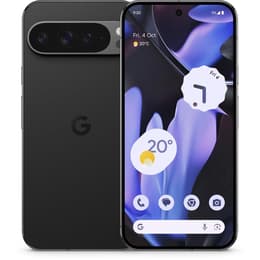
Google Pixel 9 Pro • Unlocked
Starting at

Refurbished price:$435.86

Versus $899.99 new

See options
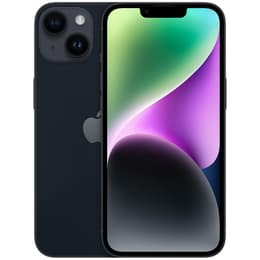
iPhone 14 • Locked AT&T
Starting at

Refurbished price:$225.72

Versus $629.00 new

See options

Ratings

The Google Pixel 9 Pro, released in late 2024, and the Apple iPhone 14, launched in September 2022, represent distinct approaches to the modern smartphone. While both devices offer robust performance and advanced camera systems, they differ significantly in their operating systems, core hardware, and specialized features. The Pixel 9 Pro operates on Android, emphasizing artificial intelligence and computational photography, whereas the iPhone 14 runs on iOS, known for its integrated ecosystem and user experience.

Scores

Durability

When considering the long-term usability of these devices, their release timelines and software support policies are key factors.

  • Release Timeline and Age: The Google Pixel 9 Pro is a more recent device, having been released in late 2024. The iPhone 14, on the other hand, was introduced in September 2022. This two-year difference means the Pixel 9 Pro benefits from newer components and a longer period before its technology becomes outdated.
  • OS Support Duration: Google has committed to providing seven years of software updates for the Pixel 9 Pro, ensuring it will receive major Android versions and security patches for an extended period. The iPhone 14 typically receives iOS updates for approximately five to six years from its release, offering a substantial but comparatively shorter support window.
  • Physical Durability and Repairability: Both devices feature robust builds designed for daily use. The Pixel 9 Pro incorporates Gorilla Glass Victus 2 on its front and back, alongside an aluminum frame, and carries an IP68 rating for water and dust resistance. The iPhone 14 features a Ceramic Shield front cover and a glass back, also with an aluminum design and an IP68 rating. User reports suggest the iPhone 14's design, particularly its removable back panel, can facilitate easier repairs compared to some previous models.

Release Year

2024

2022

Last OS Compatibility

Yes

Yes

OS

Android

iOS

Foldable

No

No

Performance

The performance of a smartphone is crucial for handling daily tasks, from casual browsing to demanding applications.

  • Processing Power: The Google Pixel 9 Pro is equipped with a current-generation processor designed to excel in AI and machine learning tasks, contributing to smooth operation and efficient handling of complex computations. The iPhone 14 utilizes a powerful processor that delivers strong general performance, ensuring applications launch quickly and multitasking remains fluid.
  • Multitasking and Responsiveness: With a generous amount of RAM, the Pixel 9 Pro is well-suited for users who frequently switch between multiple applications or engage in intensive tasks, allowing for a highly responsive experience. The iPhone 14, while having less RAM, is optimized through its operating system to manage applications effectively, providing a consistent and smooth user experience for most everyday activities.
  • Battery Behavior: The Pixel 9 Pro houses a larger battery capacity, which, combined with software optimizations, generally provides ample power for a full day of varied usage, with some users reporting 6-7 hours of screen-on time under heavy use. The iPhone 14's battery is designed to comfortably last through a full day for most users, typically requiring an overnight charge.

Memory (GB)

16 GB

6 GB

Screen quality

The display is a primary interface for any smartphone, and both devices offer high-quality viewing experiences with distinct characteristics.

  • Display Technology and Clarity: The Google Pixel 9 Pro features an LTPO OLED display, offering vibrant colors, deep blacks, and excellent contrast. Its higher resolution contributes to sharp text and detailed images. The iPhone 14 comes with a Super Retina XDR OLED display, known for its vivid colors, true blacks, and high contrast ratio, providing a rich visual experience.
  • Refresh Rate and Smoothness: The Pixel 9 Pro boasts a 120 Hz refresh rate, which results in noticeably smoother scrolling, more fluid animations, and a more responsive feel during gaming or fast-paced content consumption. The iPhone 14 features a standard 60 Hz refresh rate, which is sufficient for most users but does not offer the same level of visual fluidity as higher refresh rate displays.
  • Brightness and Size: The Pixel 9 Pro offers higher peak brightness levels, reaching up to 3000 nits in certain conditions, which enhances visibility in bright outdoor environments and improves HDR content viewing. Its display measures 6.3 inches diagonally. The iPhone 14's display, at 6.1 inches, provides good brightness for typical use, with a peak HDR brightness of 1200 nits, ensuring content remains visible in various lighting conditions.

Resolution

1280 x 2856

1170 x 2532

Screen type

LTPO OLED

Super Retina XDR OLED

Audiovisual

Both smartphones prioritize camera performance, offering advanced systems for capturing photos and videos, though with different strengths.

  • Rear Camera Systems: The Google Pixel 9 Pro features a versatile triple-camera setup, including a 50MP main sensor, a 48MP ultrawide lens with macro capabilities, and a 48MP telephoto lens offering 5x optical zoom. This configuration provides flexibility for various photographic scenarios, from wide landscapes to distant subjects. The iPhone 14 is equipped with a dual 12MP rear camera system, comprising a main wide-angle lens with sensor-shift optical image stabilization and an ultrawide lens. This system is designed for consistent performance in everyday photography.
  • Computational Photography and Features: The Pixel 9 Pro leverages its advanced processor for extensive computational photography features, such as enhanced Night Sight, Astrophotography, and a powerful Video Boost feature that can upscale video to 8K resolution and improve lighting and stabilization. It also offers 'Pro Controls' for more manual adjustments. The iPhone 14 utilizes its Photonic Engine for improved low-light performance across all cameras, alongside features like Cinematic Mode for video with selective focus and Action Mode for smooth, stabilized video capture.
  • Front-Facing Cameras: The Pixel 9 Pro includes a high-resolution 42MP front camera with autofocus and a wide field of view, suitable for detailed selfies and group shots. The iPhone 14 features a 12MP TrueDepth front camera with autofocus, designed for clear selfies, video calls, and secure facial recognition.

Main camera

50 megapixels

12 megapixels

Front camera

42 megapixels

12 megapixels

Miscellaneous

Beyond core performance and camera, several other features contribute to the overall user experience and practical utility of these smartphones.

  • Connectivity and Ports: The Google Pixel 9 Pro supports the latest Wi-Fi 7 standard and features a USB 3.2 Type-C port for charging and data transfer, offering faster speeds and broader compatibility. The iPhone 14 supports Wi-Fi 6 and utilizes Apple's proprietary Lightning port. For users in the US, the iPhone 14 relies exclusively on eSIM for cellular connectivity, while other regions may still offer a physical SIM slot.
  • Biometric Security: The Pixel 9 Pro incorporates an in-display fingerprint sensor for convenient and secure unlocking, in addition to facial recognition. The iPhone 14 relies solely on its Face ID system for biometric authentication, which uses advanced facial recognition technology.
  • Design and Handling: The Pixel 9 Pro has a slightly larger form factor and weight compared to the iPhone 14. Its design includes a matte glass back and a polished metal frame. The iPhone 14 maintains a compact and relatively lightweight design, featuring an aerospace-grade aluminum body.

Weight

7 oz

6 oz

Screen size (inches)

6.3

6.1

Network

5G

5G

SIM card

Physical SIM + eSIM

eSIM

Carrier compatibility

Unlocked

AT&T

Connector

USB-C

Lightning

The Google Pixel 9 Pro and iPhone 14 cater to different user preferences, reflecting their respective ecosystems and design philosophies. User feedback for the Pixel 9 Pro often highlights its exceptional camera capabilities, particularly its advanced AI-driven features and computational photography, which are frequently praised for producing high-quality images in various conditions. The extended software support is also a significant positive for users seeking long-term device relevance. Some users have noted that while the build quality is robust, the glossy edges can be prone to fingerprints and micro-scratches on the screen without protection.

The iPhone 14 is generally lauded for its consistent performance, the reliability of its iOS ecosystem, and its user-friendly interface. Its camera system, while not featuring the same high megapixel counts as the Pixel, is consistently praised for its ease of use and excellent results in everyday scenarios. Common criticisms sometimes point to the 60Hz display, which some users find less fluid compared to devices with higher refresh rates, and the continued use of the Lightning port.

Users prioritizing cutting-edge camera technology, extensive AI features, and a longer software support window may find the Google Pixel 9 Pro to be a more suitable choice. Its higher refresh rate display and modern USB-C connectivity also appeal to those seeking the latest hardware standards. Conversely, users who value a highly integrated ecosystem, consistent performance, and a familiar user experience may lean towards the iPhone 14. Its established durability features and streamlined operation continue to make it a strong contender for many. Both devices are available as quality-assured refurbished options, providing an eco-friendly alternative for consumers.

See all articles

Our recent comparisons