
Compare models
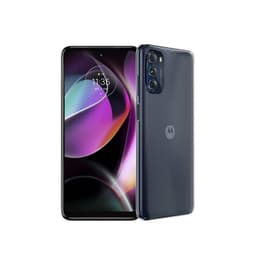
Google Pixel 9a • Unlocked vs Motorola Moto G (2022) • Unlocked
- 1-year warranty
- Free standard shipping
- Free 30-day returns
Differences at a glance
The Google Pixel 9a (2025) and the Motorola Moto G (2022) represent different generations and design approaches within the unlocked smartphone market. While both devices serve users seeking reliable everyday connectivity, they differ significantly in release timing, software ecosystems, and internal capabilities. The Google Pixel 9a runs on Android 15 with modern hardware, whereas the Motorola Moto G (2022) originally launched with Android 12. These differences shape how each device handles daily tasks, making a side-by-side evaluation helpful for prospective buyers exploring quality-assured refurbished options.
Available Models
Color
Storage
Scores
Durability
When examining longevity, these two smartphones reflect distinct release windows and software support commitments that influence their expected practical lifespans.
- Release timeline and age: The Motorola Moto G debuted in 2022, placing it several years behind the Google Pixel 9a, which launched in early 2025. This age difference impacts ongoing compatibility with newer applications.
- Software longevity expectations: Google provides an extended multi-year commitment for software and security patches on the Pixel 9a, whereas the Motorola model operates on a more traditional, shorter update window typical of its release year.
- Repairability and durability: Both devices feature robust everyday construction, though the Pixel 9a includes a higher official dust and water resistance rating, contributing to its long-term resilience in varied environments.
Release Year
2025
2022
OS
Android
Android
Foldable
No
No
Performance
Underneath the exterior, both devices manage routine tasks differently based on their internal hardware configurations and system optimization.
- Processor capabilities: The Google Pixel 9a handles demanding multitasking, fluid app switching, and modern gaming smoothly with its current-generation processor. In contrast, the Motorola Moto G handles everyday communication and web browsing adequately, though it encounters limitations during heavy graphics processing or intensive multitasking.
- Storage and memory: The Pixel 9a pairs its processor with generous system memory to keep background apps active, while the Moto G relies on a simpler configuration suited for basic storage needs and standard app usage.
- Battery behavior: Both models feature large battery capacities designed to last through a standard day of mixed use, though the Pixel 9a benefits from more efficient power management during active screen-on periods.
Screen quality
Visual output and display responsiveness vary notably between the two models, directly impacting media consumption and daily readability.
- Display technology: The Google Pixel 9a utilizes an OLED panel that delivers deep blacks, vivid contrast, and high peak brightness levels for clear outdoor visibility. The Motorola Moto G employs an IPS LCD screen that provides natural color reproduction and adequate brightness for indoor environments.
- Refresh rate and smoothness: The Pixel 9a supports a higher maximum refresh rate, resulting in fluid scrolling through web pages and menus, whereas the Moto G features a standard moderate refresh rate for everyday navigation.
- Resolution and clarity: Both devices offer comfortable viewing sizes, but the Pixel 9a provides a sharper pixel density for crisper text rendering and detailed media playback.
Resolution
1080x2424
720 x 1600
Audiovisual
Photography and multimedia features differ substantially, reflecting the distinct technological eras and engineering priorities of each device.
- Camera system capabilities: The Google Pixel 9a features a capable dual-lens rear setup paired with advanced computational photography software, delivering detailed images in low-light settings and accurate everyday color balance. The Motorola Moto G utilizes a multi-lens configuration that captures clear daylight photos, though it requires stable conditions for optimal results.
- Video recording and audio: The Pixel 9a supports stable video recording with wide dynamic range and clear internal microphones for calls, while the Moto G provides straightforward video capture suitable for casual sharing and standard media playback.
- Media consumption: Speaker output on both devices delivers adequate volume for hands-free calls and casual video viewing, though the Pixel 9a offers a more immersive sound profile.
Miscellaneous
Practical physical attributes and connectivity standards determine how comfortably each smartphone integrates into daily routines and travel.
- Connectivity and networks: Both models support modern mobile networks, Wi-Fi standards, and Bluetooth pairing, ensuring reliable connections for streaming and accessories.
- Physical handling: The Pixel 9a offers a balanced, lightweight footprint with a matte finish that minimizes fingerprints, while the Moto G presents a slightly heavier build with a water-repellent coating designed for secure handling.
- Biometric security: The Pixel 9a utilizes modern under-display recognition alongside secure code entry, whereas the Moto G features a side-mounted fingerprint sensor integrated into the power button for quick access. Users prioritizing a sustainable choice can find both devices as quality-assured refurbished options.
Weight
6 oz
7 oz
Screen size (inches)
6.3
6.5
Network
5G
5G
SIM card
Physical SIM + eSIM
Physical SIM
Carrier compatibility
Unlocked
Unlocked
What the community thinks
Deciding between the Google Pixel 9a and the Motorola Moto G (2022) depends heavily on individual workflow priorities and long-term usage expectations. Users prioritizing fluid multitasking, advanced photography software, high-brightness OLED visuals, and extended software longevity will find the Google Pixel 9a well-suited to their daily routines. Conversely, users seeking a straightforward, reliable communication tool for basic tasks, calls, and media consumption may lean toward the Motorola Moto G.
Reviewers and everyday community members frequently praise the Pixel 9a for its modern display quality and robust computational photography, while noting its higher tier within the lineup. For the Moto G, community feedback highlights dependable basic functionality, though users point out limitations in processing speed for demanding applications. Evaluating these practical differences allows buyers to select the device that aligns with their specific needs, with both models available as sustainable, quality-assured refurbished alternatives.