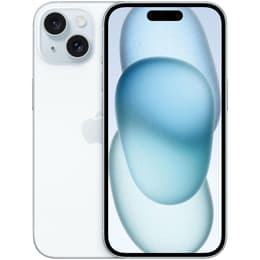

iPhone 14 Plus • Locked T-Mobile vs iPhone 15 • Unlocked

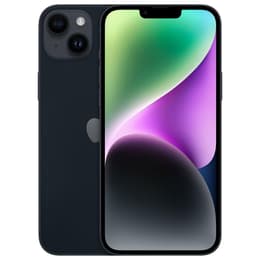
iPhone 14 Plus • Locked T-Mobile
Starting at

Refurbished price:$344.23

Versus $699.00 new

See options
iPhone 15 • Unlocked
Starting at

Refurbished price:$359.99

Versus $729.00 new

See options

Ratings

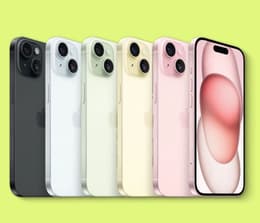
The iPhone 14 Plus, released in October 2022, and the iPhone 15, launched in September 2023, represent two distinct offerings within Apple's smartphone lineup. While both devices operate on the iOS platform and share a similar design philosophy, the iPhone 15 introduces several key advancements, including the Dynamic Island interface, an upgraded camera system, and a transition to USB-C connectivity. These differences cater to varying user preferences and priorities.

Scores

Durability

When considering the long-term usability of these devices, several factors contribute to their expected lifespan, including software support and physical resilience.

  • Release Timeline: The iPhone 14 Plus was introduced in October 2022, while the iPhone 15 followed in September 2023. This one-year difference means the iPhone 15 will likely receive major iOS software updates for approximately one year longer than the iPhone 14 Plus, extending its software longevity.
  • Software Longevity: Apple typically provides 5-6 years of major operating system updates for its iPhones. Given its later release, the iPhone 15 is expected to benefit from a slightly longer period of official software support, ensuring access to the latest features and security enhancements for a more extended duration.
  • Physical Durability: Both models feature a Ceramic Shield front cover and an IP68 rating for water and dust resistance, indicating a similar level of protection against everyday elements. The internal design of both devices has also been optimized to enhance repairability, which can contribute to their practical lifespan.

Release Year

2022

2023

Last OS Compatibility

Yes

Yes

OS

iOS

iOS

Foldable

No

No

Performance

The performance of a smartphone is largely determined by its internal processing capabilities and how efficiently it manages tasks and power.

  • Processor Capabilities: The iPhone 14 Plus is equipped with a capable processor that handles everyday applications and multitasking smoothly. The iPhone 15 features a newer generation processor, which provides a noticeable boost in speed and efficiency, particularly for more demanding applications, advanced gaming, and intensive computational tasks.
  • Multitasking and Responsiveness: Both devices offer 6GB of RAM, allowing for efficient app switching and smooth operation across multiple applications. However, the iPhone 15's more advanced processor contributes to an overall snappier and more responsive user experience, especially when navigating complex interfaces or running resource-intensive processes.
  • Battery Behavior: The iPhone 14 Plus is recognized for its extended battery life, largely due to its larger physical size accommodating a bigger battery. This makes it well-suited for users who require prolonged usage between charges. The iPhone 15, while featuring an efficient processor, has a smaller form factor, which may result in a comparatively shorter battery duration than the 14 Plus, though it still offers all-day power for typical use.

Memory (GB)

6 GB

6 GB

Screen quality

The visual experience on a smartphone is heavily influenced by its display technology, size, and brightness levels.

  • Display Technology and Size: Both the iPhone 14 Plus and iPhone 15 feature Super Retina XDR OLED displays, known for their deep blacks and vibrant colors. A significant difference lies in their physical dimensions: the iPhone 14 Plus offers a larger 6.7-inch display, providing an expansive viewing area for media consumption and productivity. The iPhone 15, on the other hand, has a 6.1-inch display, which is more compact and can be easier for one-handed use.
  • Brightness and Clarity: The iPhone 15 features improved brightness levels, with a typical maximum brightness of 1000 nits and a peak outdoor brightness of up to 2000 nits, making it more visible in bright sunlight. The iPhone 14 Plus offers a typical brightness of 800 nits and a peak HDR brightness of 1200 nits, which still provides a clear and engaging viewing experience in most conditions.
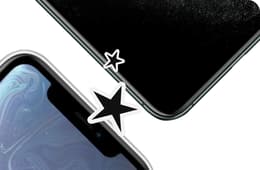
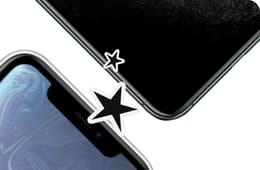
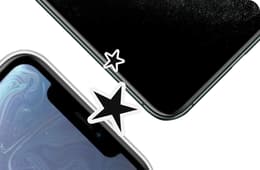
  • Interface Design: The iPhone 14 Plus retains the traditional notch at the top of its display. The iPhone 15 introduces the Dynamic Island, a more interactive and integrated pill-shaped cutout that displays alerts and live activities, offering a more modern and dynamic user interface. Both models maintain a 60Hz refresh rate.

Resolution

1284 x 2778

1179 x 2556

Screen type

Super Retina XDR OLED

Super Retina XDR OLED

Audiovisual

The camera systems on both devices are designed to capture high-quality photos and videos, though the newer model brings notable enhancements.

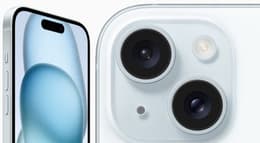
  • Main Camera Capabilities: The iPhone 14 Plus features a dual-camera system with a 12MP main sensor and a 12MP ultrawide sensor. Its main camera includes sensor-shift optical image stabilization and a larger sensor for improved low-light performance. The iPhone 15 elevates this with an advanced dual-camera system, featuring a 48MP main sensor that defaults to 24MP photos and offers a 2x telephoto option through its quad-pixel sensor. This allows for greater detail and flexibility in cropping.
  • Photography Features: Both phones benefit from Apple's Photonic Engine for enhanced image processing, particularly in mid-to-low light conditions. The iPhone 15 further refines image quality with Smart HDR 5 and next-generation portrait features, offering more lifelike skin tones and improved dynamic range in challenging lighting.
  • Video Recording: Both devices are capable of recording 4K video at up to 60 frames per second and include Cinematic mode for professional-looking depth effects. The iPhone 14 Plus also includes Action mode for smoother video capture during movement.

Main camera

12 megapixels

48 megapixels

Front camera

12 megapixels

12 megapixels

Miscellaneous

Beyond core performance and display, several practical elements differentiate these two iPhone models.

  • Connectivity and Ports: Both the iPhone 14 Plus and iPhone 15 support 5G cellular connectivity, Wi-Fi 6, and Bluetooth 5.3 for robust wireless performance. A key distinction is the charging and data port: the iPhone 14 Plus uses Apple's proprietary Lightning connector, while the iPhone 15 transitions to a USB-C port, offering broader compatibility with other electronic devices.
  • Biometrics and Sensors: Both models rely on Face ID for secure authentication. The iPhone 15 incorporates a second-generation Ultra Wideband chip, which enhances spatial awareness features like Precision Finding for compatible accessories.
  • Physical Design and Handling: The iPhone 14 Plus, with its 6.7-inch display, is a larger and slightly heavier device, weighing 203 grams. The iPhone 15, featuring a 6.1-inch display, is more compact and lighter at 171 grams, which can be more comfortable for users preferring a smaller form factor. The iPhone 15 also introduces a color-infused glass back with a textured matte finish, offering a different tactile experience compared to the iPhone 14 Plus's standard glass back.

Weight

7 oz

171 oz

Screen size (inches)

6.7

6.1

Network

5G

5G

SIM card

eSIM

eSIM

Carrier compatibility

T-Mobile

Unlocked

Connector

Lightning

USB-C (USB 2)

User feedback for the iPhone 14 Plus often highlights its appeal for those seeking a large display and extended battery life without opting for the higher-tier Pro Max models. Many users appreciate its solid performance for everyday tasks and its capable camera system. Common criticisms sometimes point to its 60Hz display and the use of a processor from the previous Pro generation, which some felt was less innovative at its release.

The iPhone 15 has generally been praised for its adoption of the Dynamic Island, the versatile 48MP main camera with its 2x telephoto capabilities, and the convenience of the USB-C port. Users also note the brighter display and the improved overall responsiveness due to its newer processor. However, some users have expressed disappointment that the standard iPhone 15 still retains a 60Hz refresh rate, a feature often found on many competing devices.

For users prioritizing a larger screen and maximum battery endurance for prolonged use throughout the day, the iPhone 14 Plus may be a suitable choice. Its established performance and expansive display cater well to media consumption and general productivity. Conversely, users who value the latest camera technology, a more interactive display interface with the Dynamic Island, and the universal compatibility of USB-C will likely find the iPhone 15 more aligned with their needs. Both devices offer a robust iOS experience, and considering a quality-assured refurbished option for either model can be an eco-friendly alternative for making an informed purchasing decision.


See all articles

Our recent comparisons