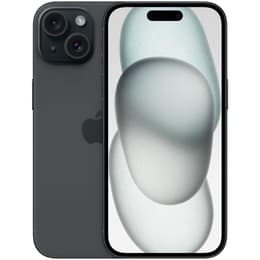
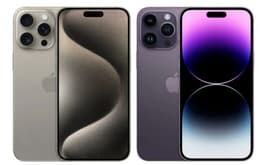
iPhone 14 Plus • Locked T-Mobile vs iPhone 15 • Locked T-Mobile

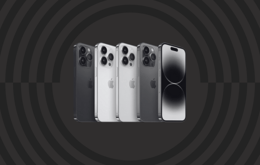
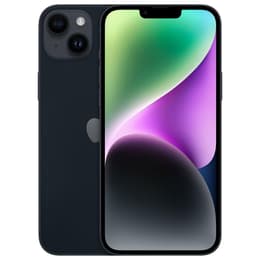
iPhone 14 Plus • Locked T-Mobile
Starting at

Refurbished price:$344.23

Versus $699.00 new

See options
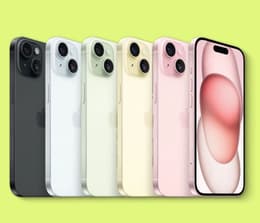
iPhone 15 • Locked T-Mobile
Starting at

Refurbished price:$379.00

Versus $699.00 new

See options

Ratings

The iPhone 14 Plus, released in October 2022, and the iPhone 15, launched in September 2023, are both smartphones from Apple's mainstream lineup. While sharing the iOS operating system and a familiar design language, the iPhone 15 introduces several notable enhancements, including an updated camera system, a more capable processor, and a shift to USB-C connectivity. These differences cater to varying user priorities, from screen size preferences to photographic capabilities.

Scores

Durability

When considering the longevity of these devices, several factors come into play, including their release timelines, software support, and repairability.

  • Release Timeline: The iPhone 14 Plus was released in October 2022, while the iPhone 15 followed in September 2023. This means the iPhone 15 will likely receive software updates for approximately one year longer than its predecessor, extending its practical lifespan for users who prioritize the latest iOS features and security patches.
  • Software Longevity: Both models run on Apple's iOS, known for its consistent and long-term software support. Users can expect several years of major iOS updates, ensuring access to new features and continued compatibility with applications. The iPhone 15, being a newer model, naturally benefits from a longer projected support window.
  • Repairability: The iPhone 14 Plus features a design that has been noted for improved repairability, particularly concerning its back glass, contributing to a repairability score of 7 out of 10. The iPhone 15, while also featuring a repair-friendly internal structure, received an initial repairability score of 4 out of 10. This difference suggests that while both can be repaired, the 14 Plus might be more straightforward for certain component replacements.

Release Year

2022

2023

Last OS Compatibility

Yes

Yes

OS

iOS

iOS

Foldable

No

No

Performance

The performance of a smartphone is crucial for daily tasks, from launching applications to managing multiple processes simultaneously.

  • Processing Power: The iPhone 14 Plus is equipped with a capable processor that handles everyday applications and multitasking smoothly. The iPhone 15 features a newer generation processor, which provides enhanced speed and efficiency, resulting in quicker app loading times, more fluid navigation, and improved performance in demanding applications and games.
  • Battery Behavior: The iPhone 14 Plus is recognized for its exceptional battery life, often allowing heavy users to go through a full day, and sometimes longer, on a single charge. The iPhone 15 also offers all-day battery life, providing reliable endurance for typical daily usage.
  • Multitasking and Responsiveness: Both devices offer a responsive user experience. The iPhone 15's newer processor contributes to a slightly more immediate feel when switching between apps or handling intensive tasks, though both are well-suited for general use.

Memory (GB)

6 GB

6 GB

Screen quality

The display is a primary interface for smartphone interaction, and both models offer a high-quality visual experience with some key distinctions.

  • Display Technology and Size: Both the iPhone 14 Plus and iPhone 15 feature Super Retina XDR OLED displays, delivering deep blacks and vibrant colors. The iPhone 14 Plus has a larger 6.7-inch screen, providing an expansive viewing area. The iPhone 15 features a 6.1-inch display.
  • Brightness and Clarity: The iPhone 15 offers higher peak brightness levels, especially for outdoor viewing and HDR content, making it more visible in bright sunlight. Both displays offer sharp resolutions, with the iPhone 15 having a slightly higher pixel density.
  • Design and Refresh Rate: A notable difference is the iPhone 15's adoption of the Dynamic Island, which replaces the traditional notch, offering a more integrated and interactive display area for alerts and background activities. Both models maintain a standard 60Hz refresh rate.

Resolution

1284 x 2778

1179 x 2556

Screen type

Super Retina XDR OLED

Super Retina XDR OLED

Audiovisual

The camera systems on both iPhones are designed to capture high-quality photos and videos, with the newer model introducing significant advancements.

  • Main Camera System: The iPhone 14 Plus features a dual-camera system with a 12MP main sensor and a 12MP ultra-wide lens, offering good performance in various lighting conditions and improved low-light capabilities over previous generations. The iPhone 15 upgrades to an advanced dual-camera system with a 48MP main sensor, which by default produces 24MP photos with greater detail and improved low-light performance. It also offers a 2x optical-quality telephoto option.
  • Photography Features: Both phones benefit from Apple's Photonic Engine for enhanced image processing. The iPhone 15 introduces next-generation portraits, allowing users to adjust focus after a photo is taken, and improved Smart HDR. The front-facing TrueDepth camera on both models includes autofocus for clearer selfies and video calls.
  • Video Recording: Both devices support 4K video recording with features like Cinematic mode and Action mode, providing stable and high-quality video capture.

Main camera

12 megapixels

48 megapixels

Front camera

12 megapixels

12 megapixels

Miscellaneous

Beyond the core features, several practical elements differentiate these two iPhone models, impacting daily convenience and user experience.

  • Connectivity and Ports: Both the iPhone 14 Plus and iPhone 15 support 5G cellular connectivity, Wi-Fi 6, and Bluetooth 5.3 for fast wireless communication. A significant change in the iPhone 15 is the adoption of a USB-C port, replacing the Lightning port found on the iPhone 14 Plus. This allows for broader compatibility with charging cables and accessories.
  • Design and Materials: Both models feature a durable design with a Ceramic Shield front and an aluminum frame, offering robust protection against drops and scratches. The iPhone 15 introduces a color-infused glass back, providing a slightly different aesthetic and feel compared to the iPhone 14 Plus's glass back. Both are rated IP68 for water and dust resistance.
  • Dimensions and Handling: The iPhone 14 Plus, with its 6.7-inch display, is a larger and slightly heavier device compared to the 6.1-inch iPhone 15. This difference impacts one-handed use and pocketability, with the 14 Plus offering more screen real estate and the 15 being more compact.

Weight

7 oz

171 oz

Screen size (inches)

6.7

6.1

Network

5G

5G

SIM card

eSIM

eSIM

Carrier compatibility

T-Mobile

T-Mobile

Connector

Lightning

USB-C (USB 2)

The iPhone 14 Plus and iPhone 15 both offer a robust smartphone experience, but they cater to slightly different user preferences. The iPhone 14 Plus is frequently praised for its expansive 6.7-inch display and particularly its exceptional battery life, which many users find to be a standout feature, often lasting longer than a full day of heavy use. Some users, however, noted its 60Hz refresh rate as a point of criticism compared to some competitors.

The iPhone 15, on the other hand, is lauded for its significant camera upgrades, including a 48MP main sensor that delivers more detailed photos and a 2x optical-quality telephoto zoom. The introduction of the Dynamic Island and the versatile USB-C port are also frequently highlighted as key improvements, enhancing both interaction and connectivity. Criticisms for the iPhone 15 sometimes revolve around its continued 60Hz display refresh rate and its initial repairability score.

Users prioritizing a larger screen and maximum battery endurance might find the iPhone 14 Plus well-suited to their needs. Conversely, those who value the latest camera technology, a more interactive display experience with Dynamic Island, and the convenience of USB-C connectivity will likely lean towards the iPhone 15. Both devices represent solid choices within the Apple ecosystem, and opting for a quality-assured refurbished option can be a sustainable choice for either model.

See all articles

Our recent comparisons