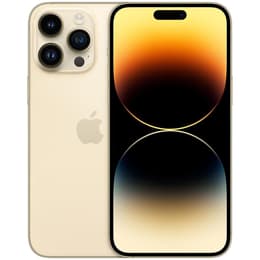
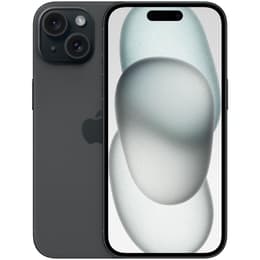

iPhone 14 Pro Max • Locked AT&T vs iPhone 15 • Locked AT&T

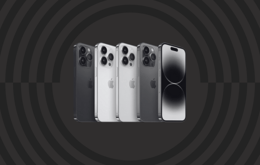
iPhone 14 Pro Max • Locked AT&T
Starting at

Refurbished price:$409.00

Versus $1,399.00 new

See options
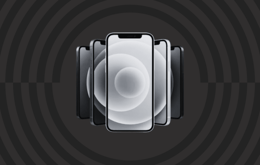
iPhone 15 • Locked AT&T
Starting at

Refurbished price:$349.43

Versus $729.00 new

See options

Ratings

The iPhone 14 Pro Max, released in September 2022, and the iPhone 15, launched in September 2023, represent different tiers within Apple's smartphone lineup. While both operate on Apple's iOS platform, the 14 Pro Max was a flagship 'Pro' model at its release, featuring advanced display and camera technologies, whereas the iPhone 15 is a standard model introducing some of those 'Pro' features from previous generations to a wider audience. Key distinctions lie in their screen technology, camera systems, and physical design elements.

Scores

Durability

When considering the practical lifespan of these devices, several factors come into play, including their release timelines, software support, and physical resilience.

  • Release Timeline: The iPhone 14 Pro Max was released in September 2022, making it a year older than the iPhone 15, which launched in September 2023. This difference means the iPhone 15 is likely to receive software updates for approximately one year longer than the 14 Pro Max.
  • Software Longevity: Both devices are expected to receive iOS updates for several years from their respective release dates, ensuring continued access to new features and security enhancements. The iPhone 15, being the newer model, will naturally benefit from an extended period of official software support.
  • Physical Durability and Repairability: The iPhone 14 Pro Max features a Ceramic Shield front, a textured matte glass back, and a stainless steel frame, contributing to its robust build. It also carries an IP68 rating for dust and water resistance. However, replacing the back glass on the 14 Pro Max can be complex and costly due to its internal structure. The iPhone 15 also boasts a Ceramic Shield front and an IP68 rating, but it utilizes a color-infused glass back and an aerospace-grade aluminum frame, making it lighter. The iPhone 15's design has been noted for easier and potentially less expensive back glass repairs compared to its predecessors, though battery replacements might involve more risk due to the display removal process.

Release Year

2022

2023

Last OS Compatibility

Yes

Yes

OS

iOS

iOS

Foldable

No

No

Performance

Both the iPhone 14 Pro Max and iPhone 15 deliver capable performance for daily tasks and demanding applications, powered by the same advanced processor.

  • Processor Capabilities: Both devices are equipped with the A16 Bionic chip, ensuring smooth operation across various applications and multitasking scenarios. This processor allows for efficient handling of demanding apps, graphic-intensive games, and complex computational photography tasks.
  • System Responsiveness and RAM: With 6GB of RAM in both models, users can expect fluid transitions between apps and responsive overall system performance. This capacity supports effective multitasking, allowing multiple applications to run in the background without significant slowdowns.
  • Battery Behavior: The iPhone 14 Pro Max is known for its extended battery life, featuring a 4323 mAh battery that typically provides around 13 hours and 7 minutes of web surfing and up to 29 hours of video playback. Many users report that it comfortably lasts through a full day of heavy use. The iPhone 15, with a 3349 mAh battery, offers up to 20 hours of video playback and generally provides good all-day battery life for typical usage patterns.

Memory (GB)

6 GB

6 GB

Screen quality

The visual experience on both iPhones is characterized by vibrant colors and sharp details, though there are notable differences in display size and refresh rate technology.

  • Display Technology and Clarity: Both the iPhone 14 Pro Max and iPhone 15 feature Super Retina XDR OLED displays, which deliver deep blacks, high contrast, and vibrant colors. The pixel density of both screens is approximately 460 pixels per inch (ppi), ensuring sharp text and clear images.
  • Size and Viewing Experience: The iPhone 14 Pro Max offers a larger 6.7-inch display with a resolution of 2796x1290 pixels, providing an expansive viewing area ideal for media consumption and productivity. In contrast, the iPhone 15 has a more compact 6.1-inch display with a resolution of 2556x1179 pixels, which is well-suited for one-handed use and portability.
  • Brightness and Refresh Rate: Both models achieve high peak brightness levels, reaching up to 2000 nits for outdoor visibility, ensuring content remains clear even in bright sunlight. A key differentiator is the refresh rate: the iPhone 14 Pro Max features ProMotion technology, offering an adaptive refresh rate up to 120Hz for smoother scrolling and more fluid animations, along with an Always-On Display. The iPhone 15, however, maintains a standard 60Hz refresh rate and does not include an Always-On Display. Both devices incorporate the Dynamic Island, an interactive area around the front camera and sensors that displays alerts and background activities.

Resolution

1290 x 2796

1179 x 2556

Screen type

LTPO Super Retina XDR OLED

Super Retina XDR OLED

Audiovisual

Both iPhones offer advanced camera systems capable of capturing high-quality photos and videos, with some key differences in their optical capabilities and default output.

  • Main Camera System: Both the iPhone 14 Pro Max and iPhone 15 feature a 48-megapixel main camera, which significantly enhances detail capture. The iPhone 14 Pro Max includes a 12-megapixel ultrawide camera and a 12-megapixel telephoto lens with 3x optical zoom. The iPhone 15 also has a 12-megapixel ultrawide camera and can achieve 2x 'optical' zoom by intelligently cropping its 48-megapixel main sensor. The 14 Pro Max also benefits from a LiDAR scanner, which aids in low-light focusing and augmented reality applications.
  • Photography Performance: Both models leverage Apple's Photonic Engine for improved image processing, resulting in better low-light performance and enhanced detail. The iPhone 14 Pro Max typically outputs 12-megapixel images by default, with the option to shoot 48-megapixel ProRAW files for maximum detail. The iPhone 15, on the other hand, defaults to 24-megapixel images, offering a higher resolution standard output. Both offer improved portrait modes, with the iPhone 15 automatically capturing depth information for later adjustments.
  • Video and Audio Quality: Both devices support 4K video recording at 60 frames per second, along with features like Cinematic Mode and Action Mode for stabilized footage. The front-facing cameras on both are 12-megapixel with autofocus, providing clear selfies and video calls. Audio capture and playback are generally of high quality across both models, suitable for media consumption and communication.

Main camera

48 megapixels

48 megapixels

Front camera

12 megapixels

12 megapixels

Miscellaneous

Beyond core functionalities, several practical elements differentiate the user experience between these two iPhone models.

  • Connectivity Options: Both devices support 5G cellular connectivity for fast mobile data speeds. The iPhone 14 Pro Max includes Wi-Fi 6 and Bluetooth 5.3 for wireless connections. The newer iPhone 15 upgrades to Wi-Fi 6E, offering potentially faster and more stable wireless performance in compatible environments, while retaining Bluetooth 5.3.
  • Charging Port: A significant difference is the charging and data transfer port. The iPhone 14 Pro Max uses Apple's proprietary Lightning port. The iPhone 15, however, transitions to a USB-C port, aligning with a more universal standard and allowing for shared charging cables with many other electronic devices.
  • Physical Design and Handling: The iPhone 14 Pro Max is a larger and heavier device, measuring 160.7 x 77.6 x 7.85mm and weighing 240g, due to its larger screen and stainless steel frame. This provides a substantial feel but may be less comfortable for users preferring a smaller device. The iPhone 15 is more compact and lighter at 147.6 x 71.6 x 7.8mm and 171g, featuring an aerospace-grade aluminum frame, which contributes to its lighter feel and easier handling. Both devices include essential sensors like Face ID for secure authentication, an accelerometer, gyroscope, barometer, proximity sensor, and ambient light sensor.

Weight

8 oz

171 oz

Screen size (inches)

6.7

6.1

Network

5G

5G

SIM card

eSIM

eSIM

Carrier compatibility

AT&T

AT&T

Connector

Lightning

USB-C (USB 2)

User sentiment for both the iPhone 14 Pro Max and iPhone 15 generally highlights their strong performance and reliable Apple ecosystem experience. The iPhone 14 Pro Max is frequently praised for its exceptional battery life, large and vibrant display with ProMotion, and versatile camera system, particularly its dedicated telephoto lens and ProRAW capabilities. Some users, however, noted its weight and size as a factor for one-handed use.

The iPhone 15 receives positive feedback for bringing the Dynamic Island and a capable 48-megapixel main camera to the standard model, along with the convenience of a USB-C port. Its more compact and lighter design is often appreciated for everyday portability. Criticisms sometimes point to its 60Hz display refresh rate, which some users find less fluid compared to higher refresh rate screens available on other devices.

Users prioritizing a larger screen, the smoothest display experience with ProMotion, and a dedicated optical telephoto lens for photography may find the iPhone 14 Pro Max better suited to their needs. Its robust battery life also makes it a strong contender for heavy users. Conversely, users who value a more compact and lighter device, the universal connectivity of USB-C, and a slightly newer software support timeline will likely lean towards the iPhone 15. Both devices offer a strong foundation for daily use, with the choice often coming down to specific preferences for display features, camera versatility, and physical form factor.

For those considering these models, exploring quality-assured refurbished options can provide an eco-friendly alternative to extend the life cycle of these capable smartphones.
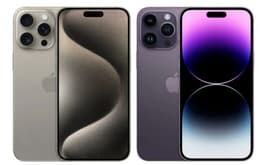
See all articles

Our recent comparisons