
iPhone 14 Pro Max • Locked AT&T vs iPhone 16 Pro • Unlocked

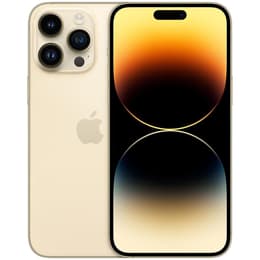
iPhone 14 Pro Max • Locked AT&T
Starting at

Refurbished price:$409.00

Versus $1,399.00 new

See options
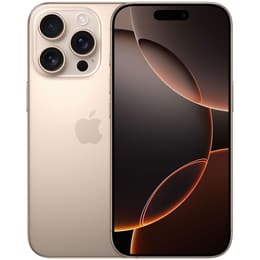
iPhone 16 Pro • Unlocked
Starting at

Refurbished price:$621.98

Versus $999.00 new

See options

Ratings

The iPhone 14 Pro Max, released in September 2022, and the iPhone 16 Pro, launched in September 2024, represent different generations of Apple's high-end smartphone offerings. While both devices deliver a premium experience, the iPhone 16 Pro introduces advancements in processing power, camera capabilities, and display technology, building upon the foundation set by its predecessor. Both operate on Apple's iOS platform, ensuring a consistent software experience with regular updates.

Scores

Durability

When considering the long-term usability of these devices, several factors come into play, including their release timelines and the duration of software support.

  • Release Timeline: The iPhone 14 Pro Max was released in September 2022, making it an earlier model compared to the iPhone 16 Pro, which launched in September 2024. This two-year difference means the iPhone 16 Pro will likely receive software updates for a longer period.
  • Software Longevity: Apple typically provides iOS updates for 5-6 years from a device's release. Consequently, the iPhone 16 Pro is expected to benefit from an additional two years of major iOS updates compared to the iPhone 14 Pro Max, extending its functional lifespan for users who prioritize the latest software features and security patches.
  • Physical Durability: Both models feature Apple's Ceramic Shield front cover, designed to enhance drop performance. The iPhone 16 Pro incorporates a newer generation of Ceramic Shield, which Apple states is even tougher than previous versions. The iPhone 14 Pro Max utilizes a stainless steel frame, while the iPhone 16 Pro features a titanium frame, which is known for its strength and lighter weight. Early durability tests for the iPhone 16 Pro suggest that while the new Ceramic Shield shows improved strength, its thinner bezels might make the display more susceptible to damage from direct side impacts.

Release Year

2022

2024

Last OS Compatibility

Yes

Yes

Foldable

No

No

Performance

The performance of a smartphone is crucial for handling daily tasks, demanding applications, and multitasking. Both devices offer robust performance, but the newer model incorporates more recent advancements.

  • Processing Power: The iPhone 14 Pro Max is equipped with a capable processor that handles demanding apps and multitasking smoothly, providing a responsive user experience. The iPhone 16 Pro features a newer generation processor, which offers enhanced performance, particularly in areas like AI-related tasks and graphics processing. This translates to faster app launches, smoother transitions, and more efficient handling of complex computations.
  • Multitasking and Storage: The iPhone 14 Pro Max comes with 6GB of memory, which is sufficient for most multitasking needs. The iPhone 16 Pro increases this to 8GB of memory, providing more headroom for running numerous applications simultaneously and managing larger datasets. Both devices offer a range of storage options, from 128GB up to 1TB, catering to different user needs for apps, photos, and videos.
  • Battery Behavior: The iPhone 14 Pro Max is known for its substantial battery capacity, offering extended usage throughout the day for most users. The iPhone 16 Pro, despite being a physically smaller device than the 14 Pro Max, shows improved battery efficiency and capacity compared to its direct predecessor (the 15 Pro), with some reports indicating it can last through a full day of heavy use. However, the larger form factor of the 14 Pro Max generally allows for a larger battery, which can translate to longer overall battery life in some scenarios.

Memory (GB)

6 GB

8 GB

Screen quality

The display is a primary interface for any smartphone, and both the iPhone 14 Pro Max and iPhone 16 Pro offer high-quality viewing experiences with some notable distinctions.

  • Display Technology and Size: Both devices feature Super Retina XDR OLED displays, known for deep blacks, vibrant colors, and excellent contrast. The iPhone 14 Pro Max has a 6.7-inch display. The iPhone 16 Pro features a slightly smaller 6.3-inch display, a modest increase from its direct predecessor, the iPhone 15 Pro, due to thinner bezels.
  • Resolution and Brightness: The iPhone 14 Pro Max offers a resolution of 2796x1290 pixels at 460 ppi. The iPhone 16 Pro has a resolution of 2622x1206 pixels, also at 460 ppi, maintaining a sharp visual experience. Both displays achieve a typical brightness of 1000 nits and a peak outdoor brightness of 2000 nits, ensuring good visibility even in bright sunlight.
  • Refresh Rate and Features: Both models incorporate ProMotion technology, offering adaptive refresh rates up to 120Hz for smooth scrolling and responsive interactions. They also include an Always-On display and the Dynamic Island, which provides interactive alerts and background activities in a dynamic pill-shaped area at the top of the screen.

Resolution

1290 x 2796

1206 x 2622

Screen type

LTPO Super Retina XDR OLED

LTPO Super Retina XDR OLED

Audiovisual

The camera systems on both the iPhone 14 Pro Max and iPhone 16 Pro are designed for high-quality photography and videography, with the newer model introducing several enhancements.

  • Main Camera System: The iPhone 14 Pro Max features a 48MP main camera with sensor-shift optical image stabilization, a 12MP ultra-wide camera, and a 12MP telephoto lens with 3x optical zoom. The iPhone 16 Pro also has a 48MP main camera with advanced sensor-shift OIS, but it upgrades the ultra-wide camera to 48MP and includes a 12MP telephoto lens with 5x optical zoom, a feature previously exclusive to the larger Pro Max models. This provides greater flexibility for capturing distant subjects.
  • Photography Features: Both devices excel in everyday photography, producing detailed images with accurate colors. The iPhone 16 Pro benefits from improved computational photography and a larger ultra-wide sensor, which can lead to cleaner images, especially in challenging lighting conditions. Both support features like Night mode, Photographic Styles, and Apple ProRAW for professional-grade image capture.
  • Video Capabilities and Audio: Both phones offer excellent video recording, including 4K resolution at various frame rates and Cinematic mode. The iPhone 16 Pro introduces advanced video features such as 4K video recording at up to 120fps (Fusion), Spatial video recording, and support for Log video and Academy Color Encoding System, catering to more professional video workflows. Both provide high-quality microphone performance for clear audio recording and stereo speakers for an immersive media consumption experience.

Main camera

48 megapixels

48 megapixels

Front camera

12 megapixels

12 megapixels

Miscellaneous

Beyond core performance and display, several practical elements differentiate these two iPhone models, impacting daily usability and connectivity.

  • Connectivity Standards: Both the iPhone 14 Pro Max and iPhone 16 Pro support 5G cellular connectivity for fast mobile data. The iPhone 14 Pro Max features Wi-Fi 6, while the iPhone 16 Pro upgrades to Wi-Fi 7, offering potentially faster and more efficient wireless internet connections. Both also include Bluetooth for connecting to accessories.
  • Charging Port: A significant difference lies in the charging and data transfer port. The iPhone 14 Pro Max uses Apple's proprietary Lightning port. The iPhone 16 Pro, in line with newer industry standards, adopts a USB-C port, offering broader compatibility with other devices and potentially faster data transfer speeds.
  • Sensors and Physical Design: Both devices incorporate Face ID for secure facial recognition and a LiDAR scanner for enhanced augmented reality experiences and improved low-light autofocus. The iPhone 16 Pro introduces a new 'Camera Control' button, providing a dedicated physical input for camera functions like launching the app, taking photos, and adjusting settings. In terms of physical build, the iPhone 14 Pro Max has a stainless steel frame and weighs 240g. The iPhone 16 Pro features a lighter titanium frame and weighs 199g, making it noticeably lighter in hand.

Weight

8 oz

7030 oz

Screen size (inches)

6.7

6.3

Network

5G

5G

SIM card

eSIM

eSIM

Carrier compatibility

AT&T

Unlocked

Connector

Lightning

USB-C (USB 3)

Choosing between the iPhone 14 Pro Max and the iPhone 16 Pro involves weighing the benefits of a more recent model against the continued capabilities of a slightly older, but still powerful, device. User sentiment for the iPhone 14 Pro Max often praises its excellent battery life, large and vibrant display, and capable camera system, which was a significant upgrade at its release. Some users, however, found its size and weight to be a consideration for one-handed use.

The iPhone 16 Pro, being a newer release, generally receives acclaim for its enhanced processing power, improved camera system with a 5x telephoto lens, and the convenience of the new Camera Control button. Its slightly smaller and lighter design compared to the 14 Pro Max, while still offering a substantial screen, is also a positive for many. Some initial user feedback on the 16 Pro's durability, particularly concerning its thinner bezels, suggests that a protective case might be a prudent accessory.

Users prioritizing a larger display and maximum battery life, and who are content with a slightly older but still highly capable camera system, may find the iPhone 14 Pro Max well-suited to their needs. Conversely, users who value the latest advancements in processing power, a more versatile camera system with enhanced zoom capabilities, a slightly more compact and lighter design, and a longer period of software support will likely lean towards the iPhone 16 Pro. The inclusion of a USB-C port on the 16 Pro also offers a more universal charging and data transfer experience. Both devices are available as quality-assured refurbished options, providing an eco-friendly alternative for consumers.


See all articles

Our recent comparisons