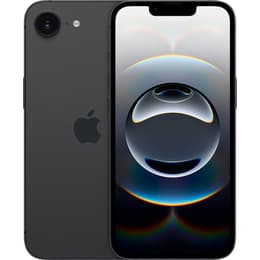

iPhone 14 Pro Max • Locked T-Mobile vs iPhone 16e • Unlocked

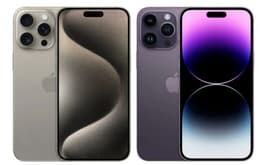
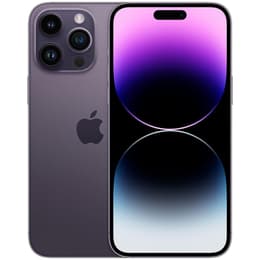
iPhone 14 Pro Max • Locked T-Mobile
Starting at

Refurbished price:$413.00

Versus $1,099.00 new

See options
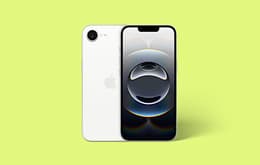
iPhone 16e • Unlocked
Starting at

Refurbished price:$361.00

Versus $599.00 new

See options

Ratings

The iPhone 14 Pro Max (2022) and the iPhone 16e (2025) represent different segments within Apple's smartphone offerings, separated by over two years of technological advancements. While the iPhone 14 Pro Max was a flagship device at its launch, featuring a premium display and advanced camera system, the iPhone 16e is positioned as a more accessible entry-level option within the newer iPhone 16 series. These devices primarily differentiate themselves through their processing power, display technology, and camera capabilities, catering to distinct user priorities.

Scores

Durability

When considering the practical lifespan of these devices, several factors come into play, including their release timelines, software support, and physical durability.

  • Release Timeline and Age: The iPhone 14 Pro Max was released in September 2022, making it an older model compared to the iPhone 16e, which launched in February 2025. This age difference means the iPhone 16e benefits from more recent hardware and software optimizations from the outset.
  • OS Support Duration: Apple typically provides major iOS updates for iPhones for approximately five to six years from their release, with security updates often extending longer. Given its later release, the iPhone 16e is expected to receive software support for a longer period than the iPhone 14 Pro Max, potentially extending its usability for several additional years. Both devices run on iOS 18 or later, with the iPhone 16e supporting iOS 26.4 as of March 2026.
  • Durability Features: Both models feature Ceramic Shield front covers, designed to offer enhanced drop performance. They also carry an IP68 rating for dust and water resistance, allowing submersion up to 6 meters for 30 minutes. The iPhone 14 Pro Max features a surgical-grade stainless steel frame, while the iPhone 16e uses an aluminum frame.

Release Year

2022

2025

OS

iOS

iOS

Foldable

No

No

Performance

The performance of a smartphone is largely dictated by its internal processing unit, influencing everything from app responsiveness to gaming experiences and overall system fluidity.

  • Processor Capabilities: The iPhone 14 Pro Max is powered by the A16 Bionic chip. The iPhone 16e, being a newer device, incorporates the A18 chip. The A18 chip is built using a more advanced 3-nanometer process, offering improvements in speed and power efficiency compared to the A16 Bionic.
  • Real-world Usage: The A18 chip in the iPhone 16e provides a noticeable boost in performance, with its CPU being up to 30 percent faster and its GPU up to 40 percent faster and 35 percent more efficient than the A16 Bionic. This translates to quicker app loading times, smoother multitasking, and more fluid graphics in demanding applications and games on the iPhone 16e. The A18 also features an upgraded Neural Engine, enhancing machine learning tasks and supporting Apple Intelligence features more efficiently.
  • Memory and Storage: The iPhone 14 Pro Max typically comes with 6GB of RAM, while the iPhone 16e features 8GB of RAM. This increased memory in the iPhone 16e contributes to better multitasking capabilities and smoother operation when handling multiple applications simultaneously. Both devices offer various storage options, including 128GB, 256GB, and 512GB.

Memory (GB)

6 GB

8 GB

Screen quality

The display is a primary interface for smartphone interaction, and differences in technology and specifications can significantly impact the visual experience.

  • Display Technology and Size: The iPhone 14 Pro Max features a larger 6.7-inch Super Retina XDR OLED display, while the iPhone 16e has a 6.1-inch OLED display. Both utilize OLED technology, known for deep blacks and vibrant colors.
  • Refresh Rate and Smoothness: A key difference lies in the refresh rate. The iPhone 14 Pro Max boasts ProMotion technology, offering an adaptive refresh rate up to 120Hz, which results in exceptionally smooth scrolling and responsive interactions. The iPhone 16e, as an entry-level model, features a standard 60Hz refresh rate.
  • Brightness and Features: The iPhone 14 Pro Max offers higher peak brightness levels, reaching up to 2000 nits for outdoor use, making it highly visible even in bright sunlight. It also includes an Always-On display and Dynamic Island for interactive notifications and activities. The iPhone 16e has a slightly lower peak brightness of 1200 nits for HDR content and features a traditional notch instead of the Dynamic Island.

Resolution

1290 x 2796

2532x1170

Screen type

LTPO Super Retina XDR OLED

Super Retina XDR

Audiovisual

Camera systems are a significant consideration for many users, and both iPhones offer capable photography and videography experiences, though with different levels of sophistication.

  • Rear Camera System: The iPhone 14 Pro Max features a versatile triple-camera system, including a 48MP main wide-angle camera, a 12MP ultra-wide camera, and a 12MP telephoto camera with 3x optical zoom. The iPhone 16e comes with a 48MP Fusion main camera, which also offers a 2x telephoto option by cropping from the main sensor, but it lacks a dedicated ultra-wide lens.
  • Photography Performance: The 14 Pro Max's larger main sensor and dedicated telephoto lens provide greater flexibility and detail, especially in varied lighting conditions and for zoomed shots. Its ultra-wide camera also contributes to more expansive shots. The 16e's 48MP Fusion camera is designed to capture high-resolution photos and offers good performance for everyday photography, with the 2x telephoto option providing optical-quality zoom.
  • Video Capabilities: Both devices are capable of recording 4K video at various frame rates. The iPhone 14 Pro Max offers advanced video features like Cinematic mode and Action mode. The iPhone 16e also supports 4K video recording and benefits from the newer A18 chip for enhanced video processing. The iPhone 16 series also introduced a new 'Camera Control' button for easier access to camera functions.

Main camera

48 megapixels

48MP

Front camera

12 megapixels

TrueDepth 12MP

Miscellaneous

Beyond the core performance and display, several practical elements contribute to the overall user experience and device utility.

  • Connectivity and Ports: The iPhone 14 Pro Max uses the Lightning port for charging and data transfer. The iPhone 16e, reflecting a shift in Apple's ecosystem, features a USB-C port, offering broader compatibility with other modern devices and accessories. Both support 5G connectivity and modern Wi-Fi standards. The iPhone 14 Pro Max supports MagSafe wireless charging, a feature absent on the iPhone 16e.
  • Biometric Security: Both models utilize Face ID for secure authentication and unlocking.
  • Design and Handling: The iPhone 14 Pro Max is a larger and heavier device due to its 6.7-inch display and Pro Max form factor, weighing 240g. The iPhone 16e, with its 6.1-inch display, is more compact and lighter at 167g, potentially offering easier one-handed use and pocketability. The 16e also features an Action Button, a customizable button for quick access to various functions.
  • Build Materials: The iPhone 14 Pro Max features a surgical-grade stainless steel frame and textured matte glass back. The iPhone 16e has an aluminum frame and a glass back.

Weight

8 oz

167 oz

Screen size (inches)

6.7

6.1

Network

5G

5G

SIM card

eSIM

eSIM

Carrier compatibility

T-Mobile

Unlocked

Connector

Lightning

USB-C

The iPhone 14 Pro Max and iPhone 16e cater to different user needs and preferences, largely due to their generational gap and positioning within Apple's product lines. The iPhone 14 Pro Max, despite being an older model, still offers a premium experience with its large, high-refresh-rate display, advanced triple-camera system, and robust build quality. Users often praise its exceptional battery life, which can comfortably last through a full day of heavy use. Its main criticisms, in comparison to newer models, might revolve around its Lightning port and the absence of the latest processor advancements.

The iPhone 16e, on the other hand, provides a more modern foundation with its newer A18 chip and USB-C connectivity. Users appreciate its updated performance, longer software support window, and the inclusion of features like the Action Button and Camera Control. However, as an entry-level model, it makes compromises in display technology (standard 60Hz refresh rate, notch instead of Dynamic Island) and camera versatility (no dedicated ultra-wide or telephoto lenses, no MagSafe) compared to the Pro Max line.

Users prioritizing a large, high-refresh-rate display, a comprehensive camera system with optical zoom, and maximum battery endurance may find the iPhone 14 Pro Max well-suited to their needs. Its established performance and premium features remain compelling. Conversely, users who value the latest processor, longer software longevity, USB-C connectivity, and a more compact form factor, and who are content with a capable main camera, will likely lean towards the iPhone 16e. It offers a modern and efficient experience for everyday tasks and access to the newest software features. For those seeking a quality-assured refurbished option, both models can provide excellent value, extending their useful life and offering a sustainable choice.


See all articles

Our recent comparisons