iPhones
Compare models
Differences at a glance
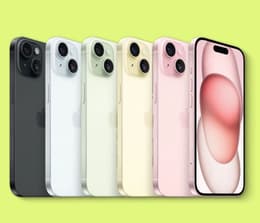
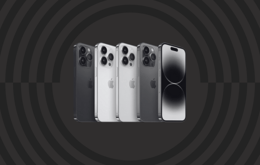
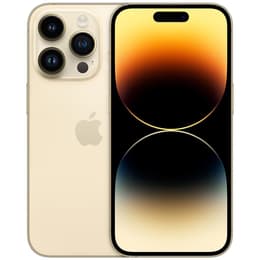
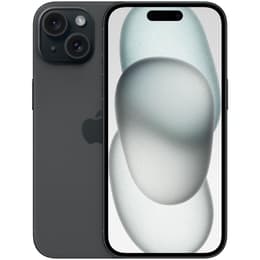
The iPhone 14 Pro, released in September 2022, and the iPhone 15, launched in September 2023, represent different tiers within Apple's smartphone lineup. While the iPhone 14 Pro was a flagship model in its release year, the iPhone 15 is the standard model from the subsequent generation. Key distinctions between these two devices include display technology, camera system versatility, and the type of charging port.
Color
Storage
When considering the practical lifespan of these devices, several factors come into play, including their release timelines, expected software support, and physical durability.
Release Year
Last OS Compatibility
OS
Foldable
Both the iPhone 14 Pro and iPhone 15 offer robust performance for daily tasks and demanding applications, though subtle differences exist in their real-world usage.
The display experience on the iPhone 14 Pro and iPhone 15 shares many similarities, but also includes a few key distinctions that impact visual fluidity and convenience.
Resolution
Screen type
The camera systems on both the iPhone 14 Pro and iPhone 15 are highly capable, though the Pro model offers additional hardware for greater versatility.
Main camera
Front camera
Beyond core performance and display, several practical elements differentiate the user experience between the iPhone 14 Pro and iPhone 15.
Weight
Screen size (inches)
Network
SIM card
Carrier compatibility
Connector
User sentiment for both the iPhone 14 Pro and iPhone 15 highlights their respective strengths. The iPhone 14 Pro is frequently praised for its fluid 120Hz ProMotion display and the versatility of its triple camera system, particularly the dedicated telephoto lens and advanced features like ProRAW and ProRes. Users often appreciate its premium build quality. However, some criticisms include its heavier weight and reports of faster battery degradation over time compared to newer models.
The iPhone 15, on the other hand, receives positive feedback for its lighter design, the convenience of its USB-C port, and its improved main camera, which often produces excellent casual photos with better HDR processing and a 24MP default. Its battery is also noted for better long-term health. The primary point of contention for some users is the 60Hz display, which can feel less smooth than a 120Hz screen, especially when directly compared.
Users prioritizing a highly fluid display experience, advanced photographic tools like optical zoom and professional video formats, and a more robust-feeling build might find the iPhone 14 Pro well-suited to their needs. Conversely, individuals who value a lighter device, the universal compatibility of USB-C, a main camera optimized for everyday photography, and potentially longer battery health over time may lean toward the iPhone 15. Both devices offer a strong performance foundation, and choosing between them often comes down to these specific feature preferences. For those seeking an eco-friendly alternative, quality-assured refurbished options for both models are available, providing a sustainable choice for acquiring either device.