Compare models

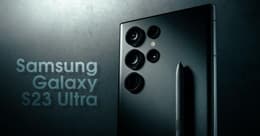
Galaxy S23 Ultra • Unlocked vs iPhone Air • Unlocked

  • 1-year warranty
  • Free standard shipping
  • Free 30-day returns
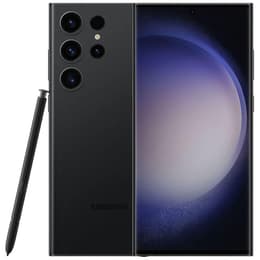
Galaxy S23 Ultra • Unlocked
Starting at

Refurbished price:$397.49

Versus $1,199.99 new

See options
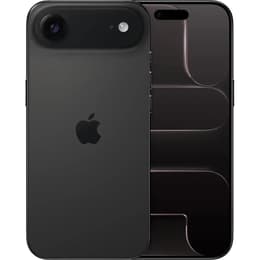
iPhone Air • Unlocked
Starting at

Refurbished price:$776.00

Versus $999.00 new

See options

Differences at a glance

The Samsung Galaxy S23 Ultra (2023) and the Apple iPhone Air (2025) represent two distinct approaches to high-end smartphone design, catering to users with different preferences in form factor and operating systems. While the Galaxy S23 Ultra focuses on a feature-rich, productivity-oriented powerhouse experience running on Android, the iPhone Air prioritizes an ultra-slim, lightweight profile powered by iOS. These two devices diverge significantly in physical construction, multitasking tools, and everyday handling.

Available Models

Color

Storage (GB)

Scores

Durability

When examining longevity and durability, both devices offer robust structural protection alongside extended software support cycles, though their launch timelines differ by two years.

  • Software Support: The Galaxy S23 Ultra provides long-term Android platform upgrades and security patches, while the newer iPhone Air benefits from Apple's extended software update timeline.
  • Build and Repairability: Both models utilize durable glass and metal materials designed to withstand regular daily use, paired with high-level water and dust resistance ratings.
  • Expected Lifespan: Users can expect several years of reliable service from either device, with the iPhone Air holding a slight advantage in total operational longevity due to its later release year.

Release Year

2023

2025

Last OS Compatibility

Yes

Yes

OS

Android

iOS

Foldable

No

No

Performance

Underneath the exterior, both smartphones handle demanding workflows, everyday app navigation, and media streaming smoothly through their respective hardware configurations.

  • Storage and Multitasking: Both devices offer generous internal storage configurations starting at high capacities, paired with ample system memory to keep multiple background applications active without stuttering.
  • Battery Behavior: The Galaxy S23 Ultra includes a high-capacity battery that comfortably lasts through heavy daily workloads, whereas the slim profile of the iPhone Air houses a smaller battery capacity that may require more frequent recharges for intensive users.
  • System Responsiveness: Advanced processors in both models ensure rapid app loading times, fluid graphics handling during gaming sessions, and responsive system navigation.

Screen quality

Display characteristics differ notably in physical dimensions, brightness capabilities, and refresh technology to suit various viewing preferences.

  • Display Technology: Both devices feature vibrant OLED panels with deep contrast levels, sharp resolutions, and rich color reproduction for media consumption.
  • Brightness and Outdoors: The iPhone Air reaches a higher peak outdoor brightness level for clear visibility under direct sunlight, while the Galaxy S23 Ultra offers a slightly larger canvas with curved edge styling.
  • Refresh Rate: Both models support adaptive refresh rates reaching up to 120Hz, ensuring smooth scrolling through web pages and fluid motion in supported applications.

Resolution

1440 x 3088

2736x1260

Screen type

Dynamic AMOLED 2X

Super Retina XDR

Audiovisual

Camera systems on these smartphones adopt distinct hardware philosophies, balancing multi-lens versatility against streamlined single-sensor efficiency.

  • Camera Array: The Galaxy S23 Ultra features a versatile quad-camera setup including high-resolution main sensors and dedicated telephoto lenses for distant subjects, whereas the iPhone Air utilizes a single high-resolution main camera paired with advanced computational photography.
  • Video and Audio: Both models deliver high-definition video recording capabilities with effective stabilization features, alongside clear microphone performance for calls and voice notes.
  • Media Consumption: Stereo speaker output on both devices provides clear audio for watching videos or listening to music without external headphones.

Main camera

200 megapixels

48 megapixels

Front camera

12 megapixels

18 megapixels

Miscellaneous

Practical everyday features, physical dimensions, and connectivity options shape how each device fits into a user's daily routine.

  • Connectivity and Ports: Both models support current 5G network bands and modern wireless standards, utilizing USB-C connectors for wired charging and data transfers.
  • Dimensions and Weight: The Galaxy S23 Ultra is a heavier, broader device that accommodates an integrated stylus for note-taking, while the iPhone Air emphasizes a remarkably thin and lightweight construction that rests easily in the hand or pocket.
  • Authentication: Each device relies on secure biometric verification methods, utilizing facial recognition or fingerprint scanning depending on the platform.

Weight

8 oz

185 oz

Screen size (inches)

6.8

6.5

Network

5G

5G

SIM card

Physical SIM + eSIM

eSIM

Carrier compatibility

Unlocked

Unlocked

What the community thinks

User feedback highlights distinct preferences for each device across community forums. Owners of the Galaxy S23 Ultra frequently praise its integrated stylus functionality, versatile multi-lens camera system, and reliable battery endurance. Conversely, users often highlight the iPhone Air for its exceptionally thin profile, lightweight feel, and seamless integration within the iOS ecosystem. Common discussions note that the slim build of the iPhone Air involves a trade-off in battery capacity, while the larger dimensions of the Galaxy S23 Ultra require more pocket space.

Users prioritizing productivity tools, flexible zoom photography, and expansive screen estate may prefer the Galaxy S23 Ultra, while users seeking a featherlight device with a streamlined design will likely lean toward the iPhone Air. Choosing a quality-assured refurbished option through Back Market offers an eco-friendly way to acquire either model while supporting sustainable technology consumption.

Our recent comparisons