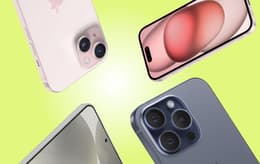
iPhone 14 • Locked T-Mobile vs iPhone 15 • Locked T-Mobile

iPhone 14 • Locked T-Mobile
Starting at

Refurbished price:$269.00

Versus $599.00 new

See options
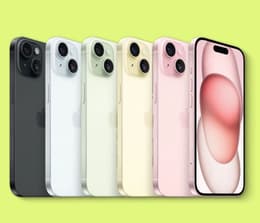
iPhone 15 • Locked T-Mobile
Starting at

Refurbished price:$379.00

Versus $699.00 new

See options

Ratings

The iPhone 14, released in September 2022, and the iPhone 15, launched in September 2023, represent consecutive generations of Apple's standard smartphone line. While both devices share a similar design philosophy and operate on Apple's iOS ecosystem, the iPhone 15 introduces several key upgrades, including a more capable camera system, a brighter display with a new interactive area, and a shift to a universal charging port. These differences aim to enhance user experience in daily interactions and content creation.

Scores

Durability

When considering the longevity of these devices, both the iPhone 14 and iPhone 15 offer robust software support and durable builds, though there are distinctions in their repairability and expected update timelines.

  • Software Support: Apple typically provides major iOS updates for its iPhones for approximately five to seven years from their release. The iPhone 15, being a year newer, is expected to receive software updates for at least one year longer than the iPhone 14, extending its functional lifespan.
  • Repairability: Both models initially received favorable repairability assessments due to internal design changes. However, iFixit later downgraded the iPhone 14's repairability score from 7/10 to 4/10, citing challenges with part pairing and software authentication for repairs. The iPhone 15 also received a similar score of 4/10, indicating that while hardware might be accessible, independent repairs can be complex due to software limitations.
  • Physical Durability: Both devices feature a Ceramic Shield front cover and an aerospace-grade aluminum frame, offering strong resistance against drops and scratches. They also share an IP68 rating for water and dust resistance, allowing submersion in up to 6 meters of water for 30 minutes.

Release Year

2022

2023

Last OS Compatibility

Yes

Yes

OS

iOS

iOS

Foldable

No

No

Performance

The performance of a smartphone is crucial for daily tasks, from launching applications to handling demanding games. Both the iPhone 14 and iPhone 15 deliver smooth experiences, but the newer model incorporates a more advanced internal processing unit.

  • Processing Power: The iPhone 14 is equipped with a powerful processor that handles everyday applications and multitasking with ease, providing a responsive user experience. The iPhone 15 features a next-generation processor, offering enhanced capabilities for more intensive tasks like advanced gaming, complex photo and video editing, and smoother overall system responsiveness.
  • Multitasking and Storage: Both models come with various storage options, typically ranging from 128GB to 512GB, providing ample space for apps, photos, and videos. They also include sufficient internal memory to ensure efficient multitasking and quick app switching.
  • Battery Behavior: Users can expect a full day of typical use from both devices. The iPhone 15's more efficient processor contributes to maintaining similar battery life figures as the iPhone 14, despite slight variations in battery capacity, ensuring consistent power delivery for daily activities.

Memory (GB)

6 GB

6 GB

Screen quality

The display is a primary interface for users, and both the iPhone 14 and iPhone 15 offer high-quality viewing experiences, with the newer model introducing notable enhancements.

  • Display Technology and Clarity: Both phones feature a 6.1-inch Super Retina XDR OLED display, delivering vibrant colors, deep blacks, and sharp text. The resolution on both is very similar, resulting in a high pixel density for clear visuals.
  • Brightness and Outdoor Visibility: The iPhone 14 offers a typical brightness of 800 nits and a peak HDR brightness of 1200 nits, providing good visibility in most conditions. The iPhone 15 significantly boosts this with a typical brightness of 1000 nits, a peak HDR brightness of 1600 nits, and an impressive peak outdoor brightness of 2000 nits, making it considerably easier to view content under direct sunlight.
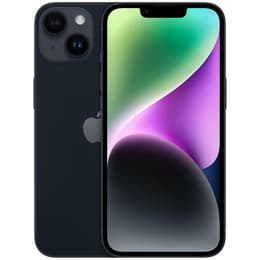
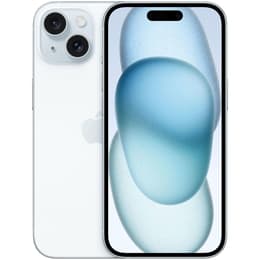
  • Interactive Display Features: While the iPhone 14 retains a traditional notch at the top of its display, the iPhone 15 integrates the Dynamic Island, an interactive area that adapts to show alerts, activities, and notifications, offering a more fluid and engaging user experience. Both models maintain a standard 60Hz refresh rate.

Resolution

1170 x 2532

1179 x 2556

Screen type

Super Retina XDR OLED

Super Retina XDR OLED

Audiovisual

Both the iPhone 14 and iPhone 15 provide capable camera systems for capturing photos and videos, with the iPhone 15 featuring significant advancements in its main sensor and computational photography.

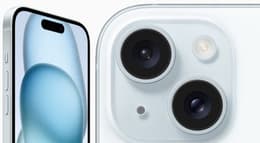
  • Main Camera System: The iPhone 14 features a dual 12-megapixel camera system, including a main wide lens with a f/1.5 aperture and sensor-shift optical image stabilization, and an ultra-wide lens. The iPhone 15 upgrades to a 48-megapixel main camera with a f/1.6 aperture and sensor-shift optical image stabilization, which by default captures 24-megapixel photos with enhanced detail. It also offers a 2x telephoto option enabled by the quad-pixel sensor.
  • Low-Light and Portrait Photography: Both phones benefit from Apple's Photonic Engine for improved low-light performance across all cameras. The iPhone 15 further enhances portrait photography with next-generation features like Focus and Depth Control, allowing users to adjust focus after a photo is taken.
  • Video Capabilities: Both models support 4K video recording at various frame rates, including Cinematic mode for a shallow depth of field effect and Action mode for smooth, stabilized video capture. The iPhone 15's improved sensor and processing contribute to overall better video quality.

Main camera

12 megapixels

48 megapixels

Front camera

12 megapixels

12 megapixels

Miscellaneous

Beyond core features, several practical elements differentiate the user experience between the iPhone 14 and iPhone 15, impacting connectivity, charging, and physical interaction.

  • Connectivity and Ports: The iPhone 14 utilizes the proprietary Lightning port for charging and data transfer. The iPhone 15 transitions to a universal USB-C port, offering broader compatibility with other electronic devices, though its data transfer speeds are similar to the previous Lightning standard (USB 2.0). Both devices support 5G cellular connectivity and Wi-Fi 6 for fast wireless internet.
  • Sensors and Security: Both models feature Face ID for secure facial recognition. They also include advanced safety features like Crash Detection and Emergency SOS via Satellite, providing critical assistance in emergencies.
  • Design and Handling: The iPhone 14 and iPhone 15 maintain similar dimensions and weight, offering a comfortable in-hand feel. The iPhone 15 introduces a color-infused glass back with a matte finish, which some users find offers a more comfortable grip and a different aesthetic compared to the iPhone 14's glossy glass back.

Weight

6 oz

171 oz

Screen size (inches)

6.1

6.1

Network

5G

5G

SIM card

eSIM

eSIM

Carrier compatibility

T-Mobile

T-Mobile

Connector

Lightning

USB-C (USB 2)

User feedback for the iPhone 14 often praises its reliable performance, capable camera system, and robust build quality, making it a solid choice for everyday use. Common criticisms sometimes point to its 60Hz display and the retention of the notch, which were seen as areas for potential improvement compared to Pro models. Users generally appreciate its consistent software experience and the introduction of safety features like Crash Detection.

The iPhone 15, on the other hand, frequently receives positive remarks for its significant camera upgrade, particularly the 48-megapixel main sensor and improved portrait capabilities. The integration of the Dynamic Island and the switch to USB-C are also widely welcomed, enhancing both functionality and convenience. Some users note that while the display is brighter, the continued 60Hz refresh rate is a missed opportunity for a smoother scrolling experience.

Users prioritizing an eco-friendly and quality-assured option may consider refurbished versions of either device. Those seeking the latest camera technology, a brighter display with the Dynamic Island, and the convenience of a USB-C port will find the iPhone 15 well-suited to their needs. Conversely, users who value a dependable smartphone experience with strong core features and a slightly more established software update cycle may lean toward the iPhone 14. The decision ultimately depends on which specific enhancements align best with individual user priorities.

See all articles

Our recent comparisons