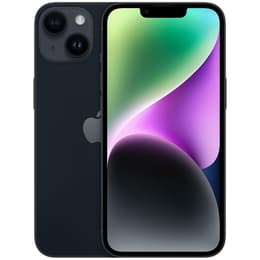
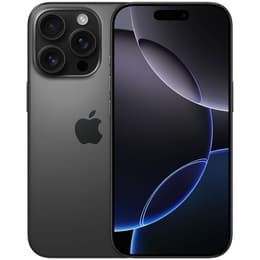

iPhone 14 • Locked Verizon vs iPhone 16 Pro • Unlocked

iPhone 14 • Locked Verizon
Starting at

Refurbished price:$299.00

Versus $599.00 new

See options
iPhone 16 Pro • Unlocked
Starting at

Refurbished price:$621.98

Versus $999.00 new

See options

Ratings

The iPhone 14, released in September 2022, and the iPhone 16 Pro, launched in September 2024, represent different tiers and generations within Apple's smartphone lineup. While both operate on Apple's iOS platform, the iPhone 16 Pro introduces significant advancements in processing power, camera technology, and display features, reflecting its newer release and 'Pro' designation. The iPhone 14 offers a solid foundation of core smartphone capabilities, whereas the iPhone 16 Pro is designed for users seeking the latest innovations and enhanced performance.

Scores

Durability

The lifespan of a smartphone is influenced by its release date, software support, and physical durability. The iPhone 14 and iPhone 16 Pro offer different expectations in these areas.

  • Release Timeline: The iPhone 14 was released in September 2022, making it a device from a previous generation. The iPhone 16 Pro, launched in September 2024, benefits from a more recent release, inherently providing a longer period of future software support.
  • OS Support Duration: Apple typically provides several years of iOS updates for its devices. The iPhone 16 Pro, being two years newer, is expected to receive major iOS updates for a longer duration than the iPhone 14, extending its functional lifespan.
  • Durability Features: Both models feature Ceramic Shield front covers and are rated IP68 for water and dust resistance, indicating a high level of protection against environmental elements. The iPhone 16 Pro, however, incorporates a titanium frame, which is known for its strength and lighter weight compared to the aluminum design of the iPhone 14.

Release Year

2022

2024

Last OS Compatibility

Yes

Yes

Foldable

No

No

Performance

Performance is a key differentiator between these two iPhone models, largely due to the generational gap in their internal components.

  • Processor Capabilities: The iPhone 14 is powered by the A15 Bionic chip, which provides smooth operation for everyday applications and multitasking. The iPhone 16 Pro features the A18 Pro chip, offering a substantial increase in processing power and graphical performance. This translates to faster app loading, more fluid multitasking, and enhanced capabilities for demanding tasks like advanced gaming and professional-grade video editing.
  • System Responsiveness: Users will experience a highly responsive interface on both devices. However, the iPhone 16 Pro's newer processor and potentially optimized software contribute to a noticeably snappier experience, especially when handling complex computations or running multiple intensive applications simultaneously.
  • Storage and RAM: Both models offer various internal storage configurations. The iPhone 14 comes with 6GB of RAM, which is sufficient for typical smartphone usage. The iPhone 16 Pro is equipped with 8GB of RAM, providing more headroom for advanced multitasking and ensuring smoother performance with future, more resource-intensive applications.

Memory (GB)

6 GB

8 GB

Screen quality

The visual experience on both devices is delivered through high-quality displays, though the iPhone 16 Pro introduces several enhancements.

  • Display Technology and Size: Both the iPhone 14 and iPhone 16 Pro feature Super Retina XDR OLED displays, known for deep blacks, high contrast, and vibrant colors. The iPhone 14 has a 6.1-inch display. The iPhone 16 Pro features a slightly larger 6.3-inch display, offering a more expansive viewing area.
  • Refresh Rate and Brightness: The iPhone 14's display operates at a standard 60Hz refresh rate. The iPhone 16 Pro, however, includes ProMotion technology, enabling an adaptive refresh rate up to 120Hz. This results in smoother scrolling, more fluid animations, and a more responsive feel, particularly beneficial for gaming and fast-paced content. The iPhone 16 Pro also offers higher peak brightness levels, improving visibility in bright outdoor conditions and enhancing HDR content.
  • Additional Display Features: The iPhone 16 Pro incorporates an Always-On display and the Dynamic Island, which provides an interactive area for alerts and background activities, features not present on the iPhone 14.

Resolution

1170 x 2532

1206 x 2622

Screen type

Super Retina XDR OLED

LTPO Super Retina XDR OLED

Audiovisual

The camera systems on the iPhone 14 and iPhone 16 Pro cater to different levels of photographic ambition, with the Pro model offering a more advanced setup.

  • Camera System Configuration: The iPhone 14 features a dual-camera system with a 12MP Main camera and a 12MP Ultra Wide camera. The iPhone 16 Pro boasts a more versatile triple-camera system, including a 48MP Main camera, a 48MP Ultra Wide camera, and a 12MP Telephoto camera with 5x optical zoom.
  • Photography Performance: Both devices excel in everyday photography, producing detailed and color-accurate images. The iPhone 16 Pro's larger sensors and higher megapixel counts, particularly on the Main and Ultra Wide lenses, contribute to superior detail capture and improved low-light performance. The addition of a dedicated telephoto lens on the iPhone 16 Pro allows for optical zoom capabilities, providing greater flexibility for capturing distant subjects without loss of quality.
  • Video Recording and Features: Both models support 4K video recording. The iPhone 16 Pro offers advanced video capabilities, including higher frame rate options for 4K video (up to 120fps) and features like ProRes video recording, which are beneficial for professional videography. The iPhone 14 includes features like Cinematic mode and Action mode for stabilized video.

Main camera

12 megapixels

48 megapixels

Front camera

12 megapixels

12 megapixels

Miscellaneous

Beyond core features, several practical elements distinguish the iPhone 14 and iPhone 16 Pro, impacting daily usability and future compatibility.

  • Connectivity Standards: Both devices support 5G cellular connectivity for fast mobile data. The iPhone 16 Pro, being a newer model, supports Wi-Fi 7, offering faster and more efficient wireless internet connections compared to the Wi-Fi 6 on the iPhone 14. Both include Bluetooth 5.3 for connecting accessories.
  • Port Type: The iPhone 14 utilizes Apple's proprietary Lightning port for charging and data transfer. The iPhone 16 Pro has transitioned to a USB-C port, aligning with a more universal standard and potentially offering faster data transfer speeds and broader compatibility with accessories.
  • Physical Design and Handling: The iPhone 14 features an aerospace-grade aluminum design. The iPhone 16 Pro utilizes a titanium frame, which contributes to a durable yet lightweight build. The iPhone 16 Pro also introduces a customizable Action Button, providing quick access to various functions, a feature absent on the iPhone 14.

Weight

6 oz

7030 oz

Screen size (inches)

6.1

6.3

Network

5G

5G

SIM card

eSIM

eSIM

Carrier compatibility

Verizon

Unlocked

Connector

Lightning

USB-C (USB 3)

The iPhone 14 and iPhone 16 Pro cater to distinct user needs, reflecting their generational and tier differences. Users often praise the iPhone 14 for its reliable performance, robust build quality, and capable camera system for everyday use. Its consistent software experience and integration within the Apple ecosystem are frequently highlighted as strong points. Some users, however, note its 60Hz display as a limitation compared to newer devices with higher refresh rates.

The iPhone 16 Pro, on the other hand, receives acclaim for its cutting-edge performance, significantly upgraded camera array with advanced features like 5x optical zoom, and its vibrant 120Hz ProMotion display. Users appreciate the larger screen, the versatility of the camera system for creative pursuits, and the future-proofing offered by its latest processor and connectivity standards. Criticisms sometimes revolve around its weight or the learning curve for new camera features.

For individuals prioritizing a dependable smartphone experience for daily communication, social media, and casual photography, the iPhone 14 remains a strong contender. Its established capabilities make it suitable for users who value consistency and a proven track record. However, for those who demand the latest in mobile technology, including superior photographic and videographic capabilities, a more fluid display, and enhanced processing power for demanding applications, the iPhone 16 Pro aligns better with those priorities. It is particularly well-suited for creative professionals, avid mobile gamers, or users who simply desire the most advanced features available. Both models are available as quality-assured refurbished options, providing an eco-friendly alternative for consumers.


See all articles

Our recent comparisons