
Compare models

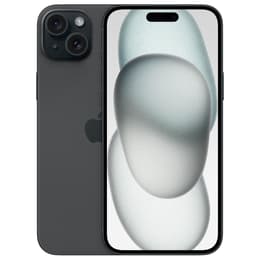
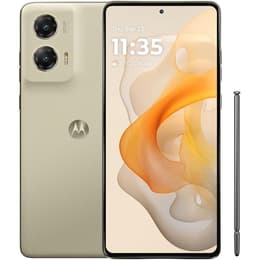
iPhone 15 Plus • Unlocked vs Motorola Moto G Stylus 5G (2024) • Unlocked

  • 1-year warranty
  • Free standard shipping
  • Free 30-day returns
iPhone 15 Plus • Unlocked
Starting at

Refurbished price:$411.00

Versus $829.00 new

See options
Motorola Moto G Stylus 5G (2024) • Unlocked
Starting at

Refurbished price:$390.00

Versus $399.00 new

See options

Differences at a glance

The iPhone 15 Plus (2023) and the Motorola Moto G Stylus 5G (2024) represent two distinct approaches to the modern large-screen smartphone. While the iPhone 15 Plus relies on Apple's integrated software ecosystem and a refined aluminum build, the Motorola Moto G Stylus 5G emphasizes built-in productivity features and expanded physical media options. Operating on iOS and Android respectively, these devices cater to users looking for immersive display sizes paired with very different everyday feature sets.

Available Models

Color

Storage (GB)

Scores

Durability

Both smartphones provide reliable long-term usability, though they follow different support schedules and hardware longevity models.

  • Software Lifespan: The iPhone 15 Plus benefits from Apple's extended update timeline, receiving iOS software updates for multiple years, whereas the Motorola Moto G Stylus 5G typically receives one major Android version update alongside security patches.
  • Repairability and Build: The iPhone 15 Plus utilizes durable glass and aluminum construction with water resistance ratings, while the Motorola model incorporates a vegan leather-textured back and a dedicated housing slot for its integrated stylus tool.

Release Year

2023

2024

OS

iOS

Android

Foldable

No

No

Performance

Daily responsiveness and multitasking capabilities differ based on internal hardware architecture and memory configurations.

  • App Multitasking: Both devices handle daily web browsing, streaming, and messaging smoothly, though heavy gaming and demanding background rendering run with greater graphical overhead on the iPhone's advanced processing configuration.
  • Storage and Memory: The Motorola model features expandable storage via a microSD card slot alongside generous built-in capacity, whereas the iPhone 15 Plus relies entirely on fixed internal storage tiers without physical expansion options.

Screen quality

Both handsets feature large viewing areas designed for media consumption, utilizing distinct panel technologies and refresh rates.

  • Display Technology: The iPhone 15 Plus features a bright Super Retina XDR OLED panel with high color accuracy, while the Motorola device employs a pOLED screen supporting a faster 120Hz refresh rate for smoother scrolling animations.
  • Outdoor Visibility: Both displays offer high peak brightness levels to maintain clear legibility under direct sunlight, accompanied by wide viewing angles suitable for video playback.

Resolution

1290 x 2796

1080 x 2400

Screen type

Super Retina XDR OLED

P-OLED

Audiovisual

Imaging hardware and media output cater to different photography preferences and daily recording habits.

  • Camera Systems: The iPhone 15 Plus equips a high-resolution main sensor with advanced computational photography features, while the Motorola alternative combines a main sensor featuring optical image stabilization with a dedicated ultra-wide lens that doubles as a macro shooter.
  • Audio and Video: Both models capture stable video footage and clear voice recordings, though the Motorola device retains a traditional 3.5mm headphone jack for wired audio alongside stereo speakers tuned with Dolby Atmos.

Miscellaneous

Physical design choices and connectivity standards shape the everyday handling experience of each device.

  • Connectivity and Ports: The iPhone 15 Plus uses a universal USB-C connection and supports modern wireless standards including ultra-wideband tracking, while the Motorola device includes a physical headphone jack and a built-in stylus pen.
  • Physical Dimensions: Both phones house large batteries and screen sizes near the 6.7-inch mark, resulting in comparable pocket footprints with distinct tactile finishes between Apple's smooth glass and Motorola's soft-textured backing. Choosing a quality-assured refurbished option provides a sustainable, eco-friendly alternative for conscious consumers looking to minimize electronic waste.

Weight

201 oz

1 oz

Screen size (inches)

6.7

6.7

Network

5G

5G

SIM card

eSIM

Physical SIM + eSIM

Carrier compatibility

Unlocked

Unlocked

Connector

USB-C (USB 2)

USB-C + Jack 3.5mm

What the community thinks

User feedback from online communities highlights distinct preference splits between these two models. Owners of the iPhone 15 Plus frequently praise its reliable battery longevity, vibrant display clarity, and seamless integration within the iOS ecosystem. Conversely, users of the Motorola Moto G Stylus 5G often highlight the convenience of the integrated note-taking pen, the utility of expandable storage, and the presence of a traditional headphone jack as major daily benefits. Common criticisms for the iPhone involve its standard refresh rate compared to competitors, while Motorola users occasionally note shorter software support windows.

Users prioritizing long-term software support, streamlined ecosystem syncing, and high-end video recording capabilities will find the iPhone 15 Plus well-suited to their needs. Meanwhile, users prioritizing physical media flexibility, traditional audio ports, and built-in stylus productivity tools may lean toward the Motorola Moto G Stylus 5G. Exploring a quality-assured refurbished option on Back Market offers an eco-friendly path to acquiring either device while supporting sustainable electronics consumption.

Our recent comparisons