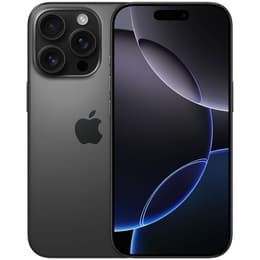
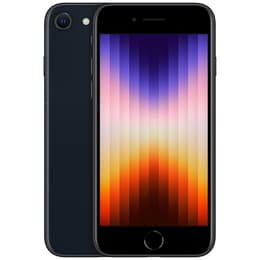

iPhone 16 Pro • Unlocked vs iPhone SE (2022) • Locked T-Mobile

iPhone 16 Pro • Unlocked
Starting at

Refurbished price:$621.98

Versus $999.00 new

See options
iPhone SE (2022) • Locked T-Mobile
Starting at

Refurbished price:$124.00

Versus $429.00 new

See options

Ratings

The iPhone 16 Pro, released in September 2024, and the iPhone SE (2022), launched in March 2022, represent distinct tiers within Apple's smartphone lineup. While both operate on Apple's iOS, they cater to different user expectations through significant differences in performance, display technology, camera systems, and overall design. This comparison will explore these key areas to help users understand which device aligns best with their needs.

Scores

Durability

The longevity of a smartphone is influenced by its release timeline, software support, and physical resilience.

  • Release Timeline: The iPhone 16 Pro, released in September 2024, is a more recent device compared to the iPhone SE (2022), which launched in March 2022. This generational gap inherently provides the iPhone 16 Pro with a longer potential period of software support.
  • Software Longevity: Both devices receive regular software updates from Apple. The iPhone 16 Pro shipped with iOS 18 and is currently running iOS 26.4, ensuring many years of future updates. The iPhone SE (2022) shipped with iOS 15.4 and was upgradeable to iOS 17.2 at the time of its review, indicating it will continue to receive updates for a considerable period, though likely for a shorter duration than the 16 Pro due to its earlier release.
  • Physical Durability: The iPhone 16 Pro features a titanium design with a Ceramic Shield front, offering enhanced resistance to drops and scratches, along with an IP68 rating for water and dust resistance. The iPhone SE (2022) utilizes an aluminum and glass construction with an IP67 rating, providing good protection against dust and water, though the Ceramic Shield on the 16 Pro offers a higher level of screen durability.

Release Year

2024

2022

Last OS Compatibility

Yes

Yes

Foldable

No

No

Performance

Performance is a critical differentiator, impacting how smoothly applications run and how efficiently the device handles demanding tasks.

  • Processing Power: The iPhone 16 Pro is equipped with a significantly more advanced processor, featuring a multi-core CPU, GPU, and an enhanced Neural Engine. This hardware is designed for superior performance, especially in AI-related tasks, demanding applications, and complex multitasking. The iPhone SE (2022) is powered by a capable processor that handles everyday applications and general usage smoothly.
  • System Responsiveness: Users of the iPhone 16 Pro report a very snappy and responsive experience, with smooth transitions and quick app loading times, even with intensive gaming or professional applications. The iPhone SE (2022) offers a fluid experience for typical smartphone activities, though it may not match the raw speed and efficiency of the Pro model when faced with the most demanding workloads.
  • Storage and Multitasking: The iPhone 16 Pro offers a wider range of storage options, starting from 128GB and going up to 1TB, providing ample space for extensive media and applications. The iPhone SE (2022) is available with storage options up to 256GB, which is sufficient for many users but may be limiting for those with large media libraries or numerous applications. The Pro model's architecture also supports more efficient multitasking for power users.

Memory (GB)

8 GB

4 GB

Screen quality

The display is a primary interface, and the differences between these two models are substantial.

  • Display Technology and Size: The iPhone 16 Pro features a larger 6.3-inch Super Retina XDR OLED display, which delivers deep blacks, vibrant colors, and excellent contrast. The iPhone SE (2022) has a more compact 4.7-inch Retina IPS LCD display. The OLED technology in the 16 Pro offers a superior visual experience compared to the LCD panel of the SE.
  • Resolution and Brightness: The 16 Pro's display boasts a higher resolution of 2622x1206 pixels at 460 pixels per inch (ppi), providing sharper images and text. It also offers significantly higher brightness, with up to 1000 nits typical and 2000 nits peak brightness, making it highly visible even in bright outdoor conditions. The iPhone SE (2022) has a resolution of 750x1334 pixels at 326 ppi and a typical maximum brightness of 625 nits.
  • Advanced Features: The iPhone 16 Pro includes ProMotion technology for adaptive refresh rates up to 120Hz, resulting in smoother scrolling and more fluid animations. It also features an Always-On display and the Dynamic Island for interactive alerts and activities. The iPhone SE (2022) has a standard refresh rate and a traditional display design with a physical home button and Touch ID.

Resolution

1206 x 2622

750 x 1334

Screen type

LTPO Super Retina XDR OLED

Retina IPS LCD

Audiovisual

Camera capabilities vary significantly, offering different photographic and videographic experiences.

  • Rear Camera System: The iPhone 16 Pro features a versatile triple-lens camera system, including a 48-megapixel wide lens, a 48-megapixel ultra-wide lens, and a 12-megapixel telephoto lens with 5x optical zoom. This setup allows for exceptional detail, improved low-light performance, and greater photographic flexibility. The iPhone SE (2022) has a single 12-megapixel wide rear camera, which performs well in good lighting conditions and supports 4K video recording.
  • Low-Light and Advanced Features: The 16 Pro excels in challenging lighting, with its advanced sensors and computational photography features delivering clear and detailed images in low-light environments. It also offers advanced video capabilities, including 4K 120fps Dolby Vision recording and Photographic Styles for creative control. The iPhone SE (2022) lacks a dedicated Night Mode, which can result in less detailed and noisier photos in low-light situations. However, it benefits from improved HDR and Photographic Styles thanks to its processor.
  • Front Camera and Audio: The iPhone 16 Pro includes a high-resolution front camera and enhanced audio recording features, such as wind reduction and Audio Mix, for superior video and call quality. The iPhone SE (2022) features a 7-megapixel front camera, suitable for video calls and selfies in well-lit conditions.

Main camera

48 megapixels

12 megapixels

Front camera

12 megapixels

7 megapixels

Miscellaneous

Beyond core features, several practical elements contribute to the overall user experience.

  • Connectivity and Ports: The iPhone 16 Pro supports the latest Wi-Fi 7 standard and features a USB-C port, offering faster data transfer speeds and broader compatibility with accessories. The iPhone SE (2022) supports Wi-Fi 6 and features a Lightning port. Both devices support 5G (sub-6 GHz) and Bluetooth 5.0.
  • Biometric Security and Design: The 16 Pro utilizes Face ID for secure facial recognition and authentication, integrated into its all-screen design with the Dynamic Island. The iPhone SE (2022) retains the classic iPhone design with a physical home button that incorporates Touch ID for fingerprint authentication.
  • Physical Characteristics: The iPhone 16 Pro has a larger form factor, weighing 199 grams and measuring 149.6 x 71.5 x 8.25 mm. The iPhone SE (2022) is more compact and lighter, at 144 grams and dimensions of 138.4 x 67.3 x 7.3 mm, making it easier for one-handed use for some users.

Weight

7030 oz

3 oz

Screen size (inches)

6.3

4.7

Network

5G

5G

SIM card

eSIM

Physical SIM + eSIM

Carrier compatibility

Unlocked

T-Mobile

Connector

USB-C (USB 3)

Lightning

User sentiment for the iPhone 16 Pro often highlights its exceptional performance, advanced camera system, and impressive battery life as key strengths. Many users appreciate the vibrant OLED display and the overall refined experience. Some common feedback points include the larger size, which might not suit all preferences, and the learning curve for new features like the Camera Control button.

For the iPhone SE (2022), users frequently praise its compact form factor, the reliability of Touch ID, and its capable performance for everyday tasks, especially considering its position in the market. Criticisms often revolve around its dated design with larger bezels, the LCD display technology, and the absence of Night Mode in its camera. Its battery life is generally considered sufficient for moderate use but may require more frequent charging for heavy users.

Users prioritizing cutting-edge performance, a versatile and advanced camera system, a large and vibrant OLED display, and extended battery life will find the iPhone 16 Pro well-suited to their needs. This device is ideal for professionals, content creators, and those who demand the latest technology for demanding applications and immersive media consumption. Conversely, users who prefer a compact device, appreciate the familiarity of Touch ID, and primarily use their smartphone for essential tasks, communication, and casual photography may lean toward the iPhone SE (2022). It offers a reliable Apple experience in a smaller package.

Both models, though not the absolute latest releases, remain viable options, especially when considering quality-assured refurbished alternatives. Opting for a refurbished device can be an eco-friendly choice, providing access to these capable smartphones while supporting sustainable consumption.

See all articles

Our recent comparisons