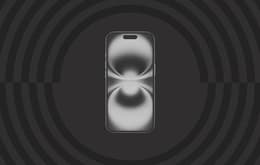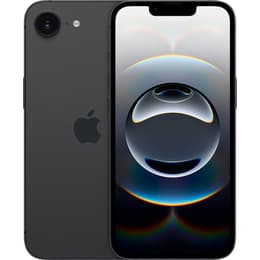
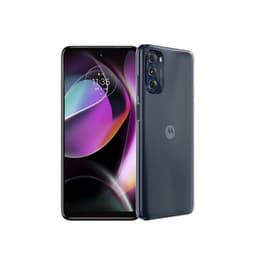
iPhone 16e • Unlocked vs Motorola Moto G (2022) • Unlocked

iPhone 16e • Unlocked
Starting at

Refurbished price:$366.00

Versus $599.00 new

See options
Motorola Moto G (2022) • Unlocked
Starting at

Refurbished price:$92.00

Versus $180.99 new

See options

Ratings

The iPhone 16e, released in February 2025, and the Motorola Moto G 2022, launched in April 2022, represent distinct approaches to smartphone design and functionality. While both devices offer core smartphone capabilities, they cater to different user expectations through their respective operating systems and hardware philosophies. The iPhone 16e operates on Apple's iOS, featuring the latest Apple Intelligence capabilities, whereas the Moto G 2022 runs on Android, providing a different ecosystem experience. Key differentiators include their display technologies, processing power, and camera systems.

Scores

Durability

The expected practical lifespan of a smartphone is influenced by its release timeline, software support, and physical durability features. These two devices show notable differences in these areas.

  • Release Timeline: The iPhone 16e was introduced in February 2025, making it a recent release, while the Motorola Moto G 2022 debuted in April 2022. This nearly three-year difference in release dates impacts their respective positions in the market and their future software support.
  • Software Longevity: The iPhone 16e launched with iOS 18 and is upgradable to iOS 26, indicating a long period of software updates and access to the latest features, including Apple Intelligence. The Moto G 2022 initially ran on Android 12, with upgrades to Android 13. Apple typically provides longer software support for its devices compared to many Android manufacturers, suggesting the iPhone 16e will receive updates for a more extended period.
  • Durability Features: The iPhone 16e features a Ceramic Shield front cover and an IP68 rating for splash, water, and dust resistance, designed to withstand immersion up to 6 meters for 30 minutes. The Moto G 2022 has a water-repellent design, offering some protection against splashes but not full submersion.

Release Year

2025

2022

OS

iOS

Android

Foldable

No

No

Performance

Performance is a critical aspect for daily smartphone use, encompassing everything from app responsiveness to multitasking capabilities and battery endurance. The iPhone 16e and Moto G 2022 offer different performance profiles.

  • Processing Power: The iPhone 16e is equipped with a current-generation processor, enabling smooth handling of demanding applications, efficient multitasking, and responsive interactions with Apple Intelligence features. Users report consistent speed even with multiple open applications and during intensive tasks like querying AI. The Moto G 2022 utilizes a MediaTek Dimensity 700 processor, which provides adequate performance for everyday tasks like browsing and social media, but may show limitations with more graphically intensive games or heavy multitasking.
  • Battery Behavior: The iPhone 16e is noted for its extended battery life, with users often reporting it lasting up to two days with heavy use and offering up to 26 hours of video playback. This is partly attributed to a custom modem chip designed for power efficiency. The Moto G 2022 features a large 5000 mAh battery, which also provides substantial endurance, often lasting for two days with medium usage. However, its charging speed is slower compared to the iPhone.
  • Storage Options: Both devices offer multiple internal storage configurations. The iPhone 16e is available with 128GB, 256GB, and 512GB options. The Moto G 2022 comes with 64GB or 256GB internal storage, with the added flexibility of expandable storage via a microSD card.

Memory (GB)

8 GB

4 GB

Screen quality

The display is a primary interface for smartphone interaction, and the technologies used significantly impact the visual experience. The iPhone 16e and Moto G 2022 feature different display types and characteristics.

  • Display Technology and Clarity: The iPhone 16e features a 6.1-inch Super Retina XDR OLED display, offering deep blacks, vibrant colors, and support for HDR content. Its resolution is 2532 by 1170 pixels, resulting in a sharp 460 pixels per inch (ppi). The Moto G 2022 has a larger 6.5-inch IPS LCD display with a resolution of 720 x 1600 pixels, providing a pixel density of 270 ppi. The OLED technology in the iPhone generally provides superior contrast and color reproduction compared to the IPS LCD of the Moto G.
  • Brightness and Refresh Rate: The iPhone 16e's display offers a typical brightness of 800 nits and a peak HDR brightness of 1200 nits, ensuring good visibility in various lighting conditions. It maintains a standard 60Hz refresh rate. The Moto G 2022 features a 90Hz refresh rate, which can result in smoother scrolling and animations compared to a 60Hz display. However, its overall brightness levels are generally lower.
  • Design Elements: The iPhone 16e retains a notch at the top of its display for the TrueDepth camera system, similar to older iPhone models. The Moto G 2022 typically features a punch-hole cutout for its front camera.

Resolution

2532x1170

720 x 1600

Screen type

Super Retina XDR

IPS LCD

Audiovisual

Camera capabilities are a significant factor for many users, and both devices offer distinct photographic experiences through their hardware and software.

  • Rear Camera System: The iPhone 16e features a single 48MP Fusion main camera with an f/1.6 aperture, capable of capturing detailed 24MP or 48MP photos. It supports 2x zoom by cropping the sensor. While it delivers clean and color-accurate shots in good lighting, it lacks sensor-shift optical image stabilization, which can impact low-light performance compared to other iPhone 16 models. The Moto G 2022 comes with a triple rear camera system, including a 50MP main sensor with an f/1.8 aperture, a 2MP macro camera, and a 2MP depth sensor. The 50MP main sensor can capture adequate photos in good light, but the additional 2MP sensors are often considered less useful in practice.
  • Low-Light and Video Performance: The iPhone 16e's low-light performance is generally good, though the absence of sensor-shift OIS means it may not match the sharpness of higher-end iPhones in very dim conditions. It records video in Dolby Vision HDR up to 4K at 60fps. The Moto G 2022 struggles more in low-light environments, producing noisier images. Video recording is limited to 1080p at 30fps, which is a lower resolution and frame rate compared to the iPhone.
  • Front Camera: The iPhone 16e includes a 12MP TrueDepth selfie camera with an f/1.9 aperture, offering good detail and the ability to control depth of field for portraits. The Moto G 2022 has a 13MP front-facing camera, which performs reasonably well in good lighting but can overexpose in bright sunlight.

Main camera

48MP

50 megapixels

Front camera

TrueDepth 12MP

13 megapixels

Miscellaneous

Beyond core features, several practical elements contribute to the overall user experience, including connectivity, physical design, and additional functionalities.

  • Connectivity and Ports: The iPhone 16e supports 5G connectivity, Wi-Fi 6, and Bluetooth 5.3. It features a USB-C port for charging and data transfer. The Moto G 2022 also supports 5G, Wi-Fi 5 (802.11ac), and Bluetooth 5.1. It includes a USB-C port and retains a 3.5mm headphone jack, which is absent on the iPhone 16e.
  • Biometrics and Sensors: The iPhone 16e relies on Face ID for secure authentication, utilizing its TrueDepth camera system. It also includes an Action Button, which can be customized for various functions. The Moto G 2022 features a side-mounted fingerprint sensor for unlocking and security.
  • Physical Characteristics: The iPhone 16e has dimensions of 146.7 x 71.5 x 7.8 mm and weighs 167 grams, making it a relatively compact and lightweight device. It features an aluminum frame and a glass back. The Moto G 2022 is larger and heavier, measuring 165.4 x 75.8 x 9.4 mm and weighing 204 grams.

Weight

167 oz

7 oz

Screen size (inches)

6.1

6.5

Network

5G

5G

SIM card

eSIM

Physical SIM

Carrier compatibility

Unlocked

Unlocked

Connector

USB-C

USB-C

The iPhone 16e and Motorola Moto G 2022 offer distinct propositions for smartphone users. The iPhone 16e is praised for its powerful processing capabilities, extended battery life, and the integration of Apple Intelligence, providing a smooth and feature-rich iOS experience. Users appreciate its sharp OLED display and dependable camera performance for everyday photography. Some common criticisms include its 60Hz refresh rate and the absence of MagSafe charging. The Moto G 2022 is often noted for its impressive battery life and the inclusion of a 90Hz display, offering a fluid visual experience for its class. However, its camera performance in low light and overall system responsiveness are areas where it receives more critical feedback.

Users prioritizing a highly responsive operating system, long-term software support, and advanced computational features like Apple Intelligence may find the iPhone 16e well-suited to their needs. Its robust durability features and high-quality OLED display also appeal to those seeking a premium visual and tactile experience. Conversely, individuals who value a larger display, expandable storage, and a traditional headphone jack, alongside strong battery endurance, might lean towards the Motorola Moto G 2022. For those considering either device, exploring quality-assured refurbished options can provide an eco-friendly alternative to new purchases, offering a sustainable choice without compromising on functionality.

See all articles

Our recent comparisons