Compare models
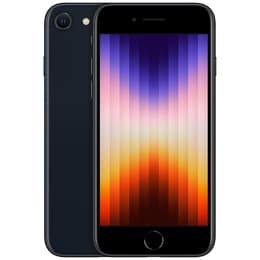
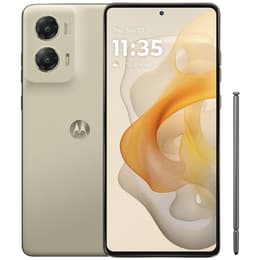
iPhone SE (2022) • Locked T-Mobile vs Motorola Moto G Stylus 5G (2024) • Unlocked
- 1-year warranty
- Free standard shipping
- Free 30-day returns
Differences at a glance
The iPhone SE 2022 and the Motorola Moto G Stylus 5G 2024 represent two distinct approaches to everyday mobile technology, catering to different user preferences. The iPhone SE 2022 operates on Apple's mobile platform within a traditional compact form factor, locked to the T-Mobile network. In contrast, the Motorola Moto G Stylus 5G 2024 runs on the Android operating system, offering an expanded screen, an integrated stylus, and factory-unlocked network freedom. While both devices deliver reliable 5G connectivity and modern processing speeds, they differ significantly in design philosophy, software ecosystems, and physical interaction features.
Available Models
Color
Storage
Scores
Durability
When examining longevity and support, both devices approach software updates and physical durability through different timelines and maintenance frameworks.
- Software support timeline: The iPhone SE benefits from extended manufacturer software update cycles, receiving security patches and system upgrades over a long duration. The Motorola device offers standard Android OS updates and security patches typical of its release year, suited for a standard multi-year upgrade window.
- Repairability and build durability: Both models utilize durable glass and frame materials designed to withstand everyday handling, with service parts widely accessible through certified repair networks. Users choosing a quality-assured refurbished option from Back Market can also benefit from extended device lifecycles while reducing environmental waste.
Release Year
2022
2024
Last OS Compatibility
Yes
Yes
OS
iOS
Android
Foldable
No
No
Performance
Performance capabilities vary based on internal hardware configuration, multitasking capacity, and battery efficiency during daily use.
- App execution and multitasking: Both devices handle everyday tasks such as web browsing, messaging, and media streaming smoothly, though the iPhone SE features higher-tier processing hardware suited for demanding applications, while the Motorola device relies on balanced hardware configurations paired with ample memory for fluid switching between multiple apps.
- Storage capacity and power endurance: The Motorola model provides expansive internal storage configurations alongside a large-capacity battery designed to easily sustain heavy daily use. The iPhone SE utilizes more compact storage tiers and a smaller battery footprint, meaning frequent users may need to recharge more often during active days.
Screen quality
Display characteristics significantly shape the media consumption, reading, and navigation experience on each mobile device.
- Display technology and size: The Motorola model features a large, expansive liquid crystal display with an extended refresh rate for smooth scrolling and immersive viewing. The iPhone SE utilizes a smaller, traditional screen format with standard refresh rates, prioritizing compact one-handed operation over expansive media space.
- Brightness and outdoor visibility: Both screens offer adequate peak brightness levels for comfortable outdoor visibility under direct daylight, though the larger panel on the Motorola device provides more workspace for productivity tasks and split-screen viewing.
Resolution
750 x 1334
1080 x 2400
Screen type
Retina IPS LCD
P-OLED
Audiovisual
Imaging hardware and audio-visual output cater to different content creation styles and media playback preferences.
- Camera systems: The Motorola device features a versatile multi-lens camera array including an ultra-wide sensor for expansive landscape framing. The iPhone SE relies on a single-lens rear camera system that delivers consistent, straightforward image capture and reliable video recording.
- Audio and media output: Both models include capable speaker configurations for hands-free calling and casual video playback, while pairing smoothly with wireless audio accessories for private listening.
Main camera
12 megapixels
50 megapixels
Front camera
7 megapixels
32 megapixels
Miscellaneous
Physical design elements, hardware extras, and connectivity options define how each device integrates into daily routines.
- Physical input features: The Motorola model incorporates a built-in physical stylus for precise note-taking, sketching, and screen navigation. The iPhone SE retains the classic physical home button with integrated biometric fingerprint security, contrasting with the Motorola model's modern punch-hole front camera design.
- Dimensions and handling: The iPhone SE offers a lightweight, highly pocketable footprint that easily fits into smaller pockets. The Motorola device features a larger, heavier chassis that accommodates its expansive screen and internal stylus silo.
Weight
3 oz
7 oz
Screen size (inches)
4.7
6.7
Network
5G
5G
SIM card
Physical SIM + eSIM
Physical SIM
Carrier compatibility
T-Mobile
Unlocked
Connector
Lightning
USB-C
What the community thinks
Users evaluating these two smartphones will find that their choices depend heavily on ecosystem preference, physical size, and hardware features. Users prioritizing a compact form factor, long-term software update support, and a traditional home button often lean toward the iPhone SE. Conversely, users who value a large viewing area, expansive internal storage, an integrated stylus, and unlocked network flexibility frequently prefer the Motorola Moto G Stylus 5G. Choosing a sustainable, quality-assured refurbished option from Back Market provides an eco-friendly alternative that aligns with both device preferences while supporting conscious consumer habits. Ultimately, evaluating daily workflow needs—such as media consumption versus one-handed portability—will guide the most suitable device selection.