
Compare models

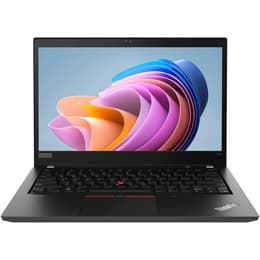
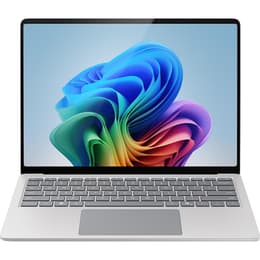
Lenovo ThinkPad T14 G1 14" vs Microsoft Surface Pro 9 13"

  • 1-year warranty
  • Free standard shipping
  • Free 30-day returns
Lenovo ThinkPad T14 G1 14"
Starting at

Refurbished price:$321.00

Versus $485.98 new

See options
Microsoft Surface Pro 9 13"
Starting at

Refurbished price:$816.00

Versus $899.99 new

See options

Differences at a glance

The Lenovo ThinkPad T14 Gen 1 (2020) and the Microsoft Surface Pro 9 (2022) represent two distinct approaches to portable computing, balancing traditional laptop ergonomics with versatile tablet design. While the ThinkPad T14 delivers a classic clamshell experience built for sustained productivity, the Surface Pro 9 offers a detachable form factor optimized for mobility and touch interaction. Both devices run on the Windows operating system, providing a familiar software environment, though they cater to different working styles and physical preferences through their unique hardware designs.

Available Models

Storage (GB)

Processor

Memory (GB)

Scores

Durability

When evaluating the practical lifespan of these devices, differences in release timelines, software update windows, and physical repair considerations play significant roles in long-term usability.

  • Release timeline and support: The Surface Pro 9 launched two years after the ThinkPad T14 Gen 1, meaning it generally benefits from a slightly extended window of operating system and firmware updates from manufacturers.
  • Repairability and maintenance: The ThinkPad T14 features a more modular traditional chassis design that allows for straightforward component replacement, whereas the glued assembly of the Surface Pro 9 makes hardware maintenance significantly more complex.
  • Expected lifespan: Both machines offer durable build qualities that sustain daily professional or academic use over several years, though the ThinkPad provides easier pathways for internal upkeep.

Release Year

2020

2022

OS

Windows 11

Windows 11

Performance

Daily responsiveness, multitasking capabilities, and thermal management vary between these two models due to their internal hardware layouts and cooling capacities.

  • Multitasking and everyday speed: Both devices handle standard web browsing, office suites, and collaborative applications smoothly, though sustained heavy workloads may cause the fanless or compact cooling systems to throttle performance.
  • Memory and storage configurations: Options for internal storage and system memory vary widely by configuration, directly influencing how many demanding applications can run concurrently without slowdowns.
  • Battery behavior: Battery endurance differs based on workload intensity, with office tasks yielding steady runtime while processor-intensive tasks shorten the duration between charges.

Graphic card

Integrated Graphics

Integrated Graphics

Screen quality

Visual workspace presentation, panel technology, and physical display dimensions shape the viewing experience for daily tasks and media consumption.

  • Display technology and resolution: The Surface Pro 9 features a high-resolution PixelSense Flow touchscreen with a 3:2 aspect ratio suited for vertical document viewing, while the ThinkPad T14 uses a traditional 16:9 widescreen panel available in various resolution options.
  • Brightness and outdoor visibility: Both screens offer adequate brightness levels for indoor office environments, though working under direct outdoor sunlight requires higher maximum luminance settings on both displays.
  • Refresh rate and smoothness: The Surface Pro 9 introduces a higher refresh rate option for smoother scrolling and pen input, whereas the ThinkPad T14 typically adheres to a standard refresh rate suitable for general office work.

Resolution

1920 x 1080

1920 x 1200

Audiovisual

Media consumption, video conferencing capabilities, and audio output vary between the traditional clamshell layout and the tablet-first configuration.

  • Video conferencing equipment: The Surface Pro 9 includes high-definition front and rear-facing cameras optimized for digital meetings and quick snapshots, while the ThinkPad T14 relies on a traditional webcam integrated into the top bezel.
  • Microphone clarity: Both systems integrate multi-microphone arrays designed to isolate background noise and capture clear audio during virtual lectures or professional calls.
  • Speaker output: The ThinkPad T14 provides downward-firing stereo sound suitable for spoken-word audio, whereas the Surface Pro 9 delivers balanced stereo speakers embedded alongside the display for media playback.

Miscellaneous

Physical dimensions, port selections, and connectivity standards dictate how easily each device integrates into various workspace setups and travel routines.

  • Port selection: The ThinkPad T14 offers a robust array of legacy and modern ports including USB-A, USB-C, HDMI, and an Ethernet jack, whereas the Surface Pro 9 streamlines connectivity primarily through modern USB-C ports and a proprietary charging connector.
  • Weight and physical handling: The Surface Pro 9 functions as an ultra-portable tablet that pairs with a detachable keyboard cover, while the ThinkPad T14 presents a slightly heavier, rigid clamshell profile designed for lap and desk stability.
  • Build materials: Both devices utilize sturdy chassis materials, with the ThinkPad prioritizing industrial durability standards and the Surface focusing on a lightweight aluminum enclosure.

Weight

4 oz

1 oz

Screen size

14

13

What the community thinks

Real users frequently praise the ThinkPad T14 for its exceptional keyboard tactile feedback, robust port selection, and reliable long-term durability in professional settings. At the same time, common criticisms point to its heavier weight and traditional form factor. Conversely, Surface Pro 9 users often highlight the versatility of the touchscreen, the vibrant high-resolution display, and the effortless portability, while noting that the separate keyboard cover requires a stable surface for lap usage.

Users prioritizing a traditional lap-friendly typing experience, extensive physical connectivity without adapters, and straightforward hardware maintenance may prefer the Lenovo ThinkPad T14. Meanwhile, users prioritizing a lightweight tablet form factor, touch and pen compatibility for creative notes, and a high-resolution 3:2 screen will lean toward the Microsoft Surface Pro 9. For those exploring sustainable technology choices, a quality-assured refurbished option provides an eco-friendly alternative that extends device life cycles without compromising on performance needs.

Our recent comparisons