
Compare models
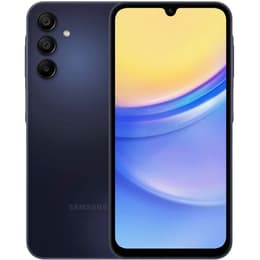
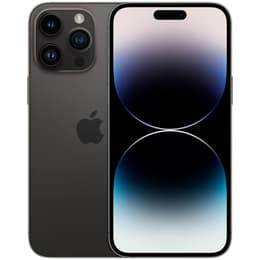
Galaxy A15 5G • Unlocked vs iPhone 14 Pro Max • Locked AT&T
- 1-year warranty
- Free standard shipping
- Free 30-day returns
Differences at a glance
The Samsung Galaxy A15 5G, released in late 2023 and early 2024, and the Apple iPhone 14 Pro Max, launched in September 2022, represent distinct segments of the smartphone market. While both devices offer modern smartphone functionalities, they differ significantly in their operating systems, core hardware, and overall user experience. The Galaxy A15 5G operates on Android, focusing on accessibility and essential features, whereas the iPhone 14 Pro Max runs on iOS, emphasizing advanced performance, camera capabilities, and a premium ecosystem.
Available Models
Color
Storage (GB)
Scores
Durability
When considering the long-term usability of these devices, their release timelines and software support policies are key factors.
- Software Longevity: The Samsung Galaxy A15 5G launched with Android 14 and is promised four major OS upgrades and five years of security updates, extending its support until approximately 2029. The iPhone 14 Pro Max, released in 2022 with iOS 16, typically receives 5-6 years of major iOS updates, meaning it will likely continue to receive software support for several more years from its release date.
- Physical Durability: The iPhone 14 Pro Max features a robust build with a Ceramic Shield front cover, a glass back, and a stainless steel frame, along with an IP68 rating for dust and water resistance. The Galaxy A15 5G utilizes a plastic body and frame with Dragontrail Pro glass protecting the display, but it does not carry an official IP rating for water and dust resistance.
- Expected Practical Lifespan: Both devices are designed for extended use, with the iPhone 14 Pro Max offering a more premium and resilient physical construction. The Galaxy A15 5G's generous software update policy for its category also contributes to a longer practical lifespan for users who prioritize up-to-date software.
Release Year
2023
2022
Last OS Compatibility
Yes
Yes
OS
Android
iOS
Foldable
No
No
Performance
The performance capabilities of the Galaxy A15 5G and the iPhone 14 Pro Max cater to different user expectations and demands.
- Processing Power: The iPhone 14 Pro Max delivers very fast and smooth performance, handling demanding applications, intensive multitasking, and graphic-rich games with ease. The Galaxy A15 5G, while capable for everyday tasks, may exhibit noticeable lag and slower responsiveness when running multiple applications simultaneously or engaging in more intensive activities.
- System Responsiveness: Users of the iPhone 14 Pro Max can expect a highly fluid and immediate response across the operating system and applications, supported by its ample internal memory. The Galaxy A15 5G, equipped with less internal memory, provides adequate responsiveness for general use, though transitions and app loading times can be slower.
- Storage Options: The iPhone 14 Pro Max offers a range of internal storage configurations from 128GB up to 1TB, without expandable storage. The Galaxy A15 5G typically comes with 128GB of internal storage but includes the flexibility of expandable storage via a microSD card, which can be beneficial for users with large media libraries.
Screen quality
The visual experience on these two smartphones is shaped by their distinct display technologies and specifications.
- Display Technology and Clarity: The iPhone 14 Pro Max features a 6.7-inch LTPO Super Retina XDR OLED display, known for its deep blacks, vibrant colors, and high contrast. It offers a resolution of 2796x1290 pixels, resulting in a sharp image with approximately 460 pixels per inch. The Galaxy A15 5G comes with a 6.5-inch AMOLED display, providing good colors and contrast for its category, with a 1080p resolution (2340 x 1080 pixels).
- Brightness and Refresh Rate: The iPhone 14 Pro Max boasts an adaptive refresh rate of up to 120Hz (ProMotion) for smooth scrolling and animations, and can reach up to 2000 nits peak brightness, making it highly visible even in bright outdoor conditions. The Galaxy A15 5G has a 90Hz refresh rate, offering a smoother experience than standard 60Hz displays, and a peak brightness of 800 nits, which is generally sufficient for outdoor use.
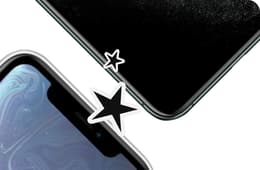
- Design Elements: The iPhone 14 Pro Max incorporates the Dynamic Island, an interactive pill-shaped cutout that replaces the traditional notch. The Galaxy A15 5G features a camera notch and more noticeable bezels around its display.
Resolution
1080 x 2340
1290 x 2796
Screen type
Super AMOLED
LTPO Super Retina XDR OLED
Audiovisual
The camera systems on both devices offer different levels of photographic and videographic capabilities.
- Rear Camera System: The iPhone 14 Pro Max is equipped with a versatile triple-camera setup, including a 48MP main sensor with sensor-shift optical image stabilization (OIS), a 12MP ultrawide lens, and a 12MP telephoto lens with 3x optical zoom and OIS. This system excels in various lighting conditions, producing detailed images and offering advanced features like ProRAW. The Galaxy A15 5G features a 50MP main camera, a 5MP ultrawide, and a 2MP macro lens. Its main camera performs well in good lighting, but the ultrawide and macro lenses offer less detail, and it lacks OIS.
- Video Recording and Features: The iPhone 14 Pro Max supports video recording up to 4K at 60 frames per second, with features like Cinematic mode and ProRes video, providing advanced options for content creation. The Galaxy A15 5G offers standard video recording capabilities, suitable for casual use, but without the advanced stabilization or cinematic features found on the iPhone.
- Front Camera and Audio: Both devices include a front-facing camera, with the iPhone 14 Pro Max featuring a 12MP sensor with autofocus. For audio, the iPhone 14 Pro Max provides stereo speakers for a more immersive media consumption experience. The Galaxy A15 5G has a single down-firing speaker.
Main camera
50 megapixels
48 megapixels
Front camera
13 megapixels
12 megapixels
Miscellaneous
Beyond core features, several practical elements differentiate the user experience of these two smartphones.
- Connectivity and Ports: Both devices support 5G connectivity for fast mobile data. The iPhone 14 Pro Max uses a Lightning port for charging and data transfer, while the Galaxy A15 5G features a USB-C port. The Galaxy A15 5G also retains a 3.5mm headphone jack, a feature absent on the iPhone 14 Pro Max.
- Biometric Security: The iPhone 14 Pro Max relies on Face ID for secure facial recognition and authentication. The Galaxy A15 5G incorporates a side-mounted fingerprint reader for unlocking and security.
- Physical Characteristics: The iPhone 14 Pro Max, with its stainless steel frame and larger screen, is a heavier device at 240 grams and measures 160.7 x 77.6 x 7.85mm. The Galaxy A15 5G is lighter at 200 grams and has dimensions of 160.1 x 76.8 x 8.4mm, making it slightly thicker but generally easier to handle for some users due to its lighter build.
Weight
7 oz
8 oz
Screen size (inches)
6.5
6.7
Network
5G
5G
SIM card
Physical SIM
eSIM
Carrier compatibility
Unlocked
AT&T
Connector
USB-C
Lightning
What the community thinks
User sentiment for the iPhone 14 Pro Max often highlights its exceptional battery life, powerful performance, and advanced camera system as key strengths. Users frequently praise its vibrant display and the smooth iOS experience. Some criticisms occasionally mention its weight and the continued use of the Lightning port. For the Samsung Galaxy A15 5G, common praise points include its impressive AMOLED display for its segment, long-lasting battery, and Samsung's commitment to software updates. Frequent criticisms revolve around its performance, which can feel slow for demanding tasks, and the presence of noticeable display bezels.
Users prioritizing a highly fluid operating system, top-tier camera capabilities for both photos and videos, and a premium build quality will find the iPhone 14 Pro Max well-suited to their needs. Its robust performance makes it ideal for intensive applications, gaming, and professional content creation. Conversely, individuals seeking a reliable smartphone for everyday communication, media consumption, and light productivity, coupled with extensive software support and expandable storage, may prefer the Galaxy A15 5G. It serves as a practical choice for those who value battery longevity and a clear display for essential tasks.
For those considering either device, exploring quality-assured refurbished options can provide an eco-friendly alternative, offering access to these technologies while supporting sustainable consumption.