Galaxy S10E • Unlocked vs iPhone 14 • Locked Verizon

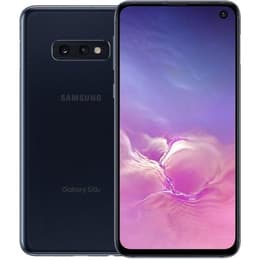
Galaxy S10E • Unlocked
Starting at

Refurbished price:$117.00

Versus $459.00 new

See options
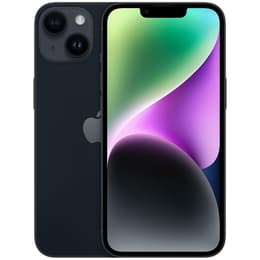
iPhone 14 • Locked Verizon
Starting at

Refurbished price:$300.94

Versus $599.00 new

See options

Ratings

The Samsung Galaxy S10e, released in March 2019, and the Apple iPhone 14, launched in September 2022, represent different eras and operating systems within the smartphone landscape. While the S10e offered a compact Android experience with a focus on core flagship features, the iPhone 14 provides a more recent iOS experience with advancements in camera technology and safety features. These devices cater to distinct user preferences, with the S10e appealing to those who favor a smaller form factor and the Android ecosystem, and the iPhone 14 targeting users seeking a modern Apple device with extended software support.

Scores

Durability

The longevity of a smartphone is influenced by its release date, software support, and physical durability.

  • Release Timeline and Age: The Galaxy S10e was released in March 2019, making it a significantly older device compared to the iPhone 14, which launched in September 2022. This age difference impacts the remaining lifespan for software updates and overall hardware relevance.
  • OS Support Duration: The Galaxy S10e received its last major Android operating system update with Android 12, and its security support ended in 2023. In contrast, the iPhone 14, running on iOS 16 at launch, is expected to receive software updates for several more years, typically 5-6 years from its release.
  • Repairability and Durability: Both devices feature glass fronts and backs with aluminum frames. The iPhone 14 incorporates a Ceramic Shield front cover for enhanced durability, and both models are rated IP68 for dust and water resistance, though the iPhone 14 is rated for a greater depth (6 meters compared to 1.5 meters for the S10e).

Release Year

2019

2022

Last OS Compatibility

No

Yes

OS

Android

iOS

Foldable

No

No

Performance

Performance is a key differentiator, with the newer iPhone 14 offering a more capable and efficient experience compared to the older Galaxy S10e.

  • Processor Capabilities: The iPhone 14 is equipped with a more recent processor, providing a smoother and more responsive experience for demanding applications, multitasking, and gaming. The Galaxy S10e, while capable in its time, may show signs of slower performance with newer, more resource-intensive apps.
  • RAM and Storage: Both devices offer multiple storage options, with the iPhone 14 starting at 128GB and going up to 512GB, and all models featuring 6GB of RAM. The Galaxy S10e was available with 6GB or 8GB of RAM and 128GB or 256GB of internal storage, with a microSD card slot for expansion.
  • Battery Behavior: The iPhone 14 generally offers extended battery life, with users often reporting it lasting through a full day of heavy use. The Galaxy S10e, with its smaller battery capacity, may require more frequent charging for heavy users.

Memory (GB)

6 GB

6 GB

Screen quality

The display experience varies between the two devices, reflecting advancements in screen technology over time.

  • Display Technology and Clarity: Both phones feature vibrant OLED displays. The iPhone 14 has a 6.1-inch Super Retina XDR OLED display with a resolution of 2532x1170 pixels, offering sharp visuals and deep blacks. The Galaxy S10e features a 5.8-inch Dynamic AMOLED display with a 2280x1080 pixel resolution, which was considered excellent at its release.
  • Brightness and Outdoor Visibility: The iPhone 14 offers higher peak brightness levels, particularly for HDR content and outdoor use, making it easier to view in bright sunlight. The S10e's display also provides good brightness and outdoor visibility for its generation.
  • Refresh Rate: Both the Galaxy S10e and the iPhone 14 feature a standard 60Hz refresh rate. This means scrolling and animations will appear smooth, but not as fluid as devices with higher refresh rates.

Resolution

1080 x 2280

1170 x 2532

Screen type

Dynamic AMOLED

Super Retina XDR OLED

Audiovisual

Camera capabilities have seen significant evolution, with the iPhone 14 benefiting from newer sensor technology and computational photography.

  • Rear Camera System: The iPhone 14 features a dual-camera system with a 12MP main sensor and a 12MP ultrawide sensor, incorporating improvements for low-light performance and image processing. The Galaxy S10e also has a dual-camera setup with a 12MP wide-angle lens and a 16MP ultrawide lens, which was highly regarded at its launch.
  • Photography Performance: The iPhone 14 excels in capturing detailed photos with accurate colors, especially in challenging lighting conditions, thanks to its enhanced image pipeline. The S10e's camera system delivers good results in well-lit environments, though its low-light performance may not match newer devices.
  • Video Recording: Both devices are capable of recording 4K video at 60 frames per second. The iPhone 14 introduces features like Cinematic mode and Action mode for more advanced video capture.

Main camera

12 megapixels

12 megapixels

Front camera

10 megapixels

12 megapixels

Miscellaneous

Beyond core specifications, several practical elements contribute to the overall user experience.

  • Connectivity and Ports: The iPhone 14 supports 5G connectivity, Wi-Fi 6, and Bluetooth 5.3, utilizing a Lightning port for charging and data transfer. The Galaxy S10e supports Wi-Fi 6, Bluetooth 5.0, and features a USB-C port, along with a 3.5mm headphone jack.
  • Biometric Security: The iPhone 14 relies on Face ID for secure facial recognition. The Galaxy S10e features a side-mounted fingerprint sensor for biometric authentication.
  • Design and Handling: The Galaxy S10e is known for its compact size and lighter weight (150g), making it comfortable for one-handed use. The iPhone 14 is slightly larger and heavier (172g), offering a 6.1-inch display.

Weight

5 oz

6 oz

Screen size (inches)

5.8

6.1

Network

LTE

5G

SIM card

Physical SIM

eSIM

Carrier compatibility

Unlocked

Verizon

Connector

USB-C + Jack 3.5mm

Lightning

The Samsung Galaxy S10e and iPhone 14 cater to different user needs and expectations, largely due to their respective release timelines and operating systems. Users frequently praise the Galaxy S10e for its compact form factor, making it easy to handle with one hand, and its vibrant AMOLED display. However, common criticisms revolve around its battery life for heavy users and the cessation of major software updates, which can lead to security concerns and app compatibility issues over time.

The iPhone 14, on the other hand, is generally lauded for its robust performance, improved camera capabilities, and extended software support, ensuring a longer period of access to the latest features and security patches. Some users have noted that the iPhone 14, while a capable device, offered incremental upgrades over its predecessor, leading to a perception of less significant innovation compared to previous generations.

Users prioritizing a smaller, more pocketable device within the Android ecosystem, and who are comfortable with an older software experience, may find the Galaxy S10e suitable. Conversely, those seeking a modern smartphone with a strong emphasis on long-term software support, advanced camera features, and overall system responsiveness will likely find the iPhone 14 to be a more fitting choice. Both devices, especially the iPhone 14, are available as quality-assured refurbished options, providing an eco-friendly alternative for consumers.


See all articles

Our recent comparisons