
News
Compare models
Differences at a glance
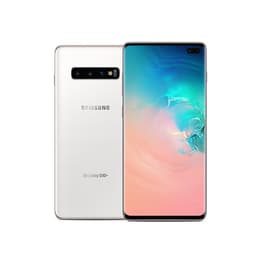
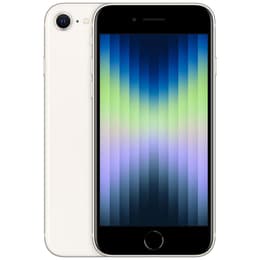
The Samsung Galaxy S10 Plus, released in March 2019, and the iPhone SE (2022), launched in March 2022, represent distinct approaches to smartphone design and functionality. While the Galaxy S10 Plus offered a large, feature-rich Android experience at its release, the iPhone SE (2022) provides a compact iOS device with a powerful, modern processor. These differences significantly impact user experience, from display quality and camera versatility to long-term software support and overall performance.
Color
Storage
The practical lifespan of a smartphone is heavily influenced by its release date and the manufacturer's commitment to software updates. These two devices, separated by three years, offer different expectations in this regard.
Release Year
Last OS Compatibility
OS
Foldable
Performance is a key differentiator, with the newer iPhone SE (2022) holding a significant advantage due to its more modern internal components.
The visual experience on these two devices varies significantly, primarily due to differences in display technology and size.
Resolution
Screen type
The camera systems on both phones offer capable photography, but with different strengths and approaches to image capture.
Main camera
Front camera
Beyond core features, several practical elements contribute to the overall user experience and convenience of these smartphones.
Weight
Screen size (inches)
Network
SIM card
Carrier compatibility
Connector
The Samsung Galaxy S10 Plus and the iPhone SE (2022) cater to different user preferences, largely shaped by their release timelines and operating systems. Users often praise the Galaxy S10 Plus for its expansive and vibrant OLED display, versatile multi-lens camera system, and the inclusion of a headphone jack and expandable storage. Its design, with minimal bezels, was considered cutting-edge at its launch. However, common criticisms now revolve around its aging software support and the performance gap compared to newer devices. The iPhone SE (2022) is frequently lauded for its powerful, modern processor, compact form factor, and long-term software updates, making it a strong performer for its size. Users appreciate the familiar Touch ID and the robust iOS ecosystem. Criticisms often point to its smaller, less advanced LCD display, the single rear camera's limitations in certain scenarios like low light, and its older design with prominent bezels.
Users prioritizing a large, high-resolution OLED screen, a flexible camera system with multiple lenses, and the convenience of a headphone jack may find the Galaxy S10 Plus appealing, especially if they are comfortable with an older Android operating system. Conversely, users who value a compact device, top-tier processing power for demanding tasks, 5G connectivity, and extended software longevity within the Apple ecosystem will find the iPhone SE (2022) well-suited to their needs. Both devices offer distinct advantages, and choosing between them depends on individual priorities for display, performance, camera versatility, and long-term support. For those seeking a reliable device while also making an eco-friendly choice, considering a quality-assured refurbished option for either model can be a practical approach.