
Compare models
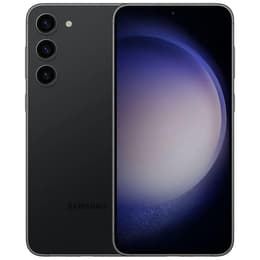
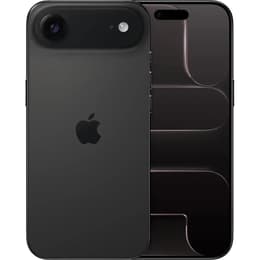
Galaxy S23+ • Unlocked vs iPhone Air • Unlocked
- 1-year warranty
- Free standard shipping
- Free 30-day returns
Differences at a glance
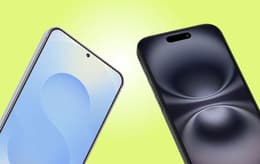
The Samsung Galaxy S23+ (2023) and the Apple iPhone Air (2025) represent two distinct approaches to premium smartphone design, blending high-end capabilities with different physical form factors. While the Galaxy S23+ offers a traditional, well-rounded flagship layout running Android, the iPhone Air introduces an ultra-thin profile running iOS.
These two devices diverge significantly in their physical design philosophy, software ecosystems, and internal processing power, making them suited to very different daily preferences.
Available Models
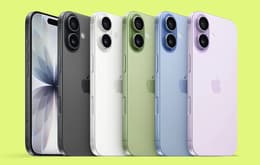
Color
Storage (GB)
Scores
Durability
When evaluating structural longevity and software support, both devices handle multi-year ownership well while differing in release age and update frameworks.
- Software Support Timeline: The iPhone Air benefits from a newer 2025 launch window, securing extended operating system updates well into the next decade, whereas the Galaxy S23+ approaches the latter half of its major update lifecycle.
- Repairability and Build Integrity: Both models utilize rigid frame materials and hardened glass shields to resist daily wear, though authorized service options and replacement parts are widely accessible for both ecosystems.
- Expected Lifespan: Users can expect several years of reliable daily service from either option, with software optimization keeping both platforms running smoothly over time.
Release Year
2023
2025
Last OS Compatibility
Yes
Yes
OS
Android
iOS
Foldable
No
No
Performance
Underneath the surface, these devices handle everyday workloads, heavy multitasking, and demanding applications through distinct hardware architectures.
- Multitasking and Memory: Both smartphones pack ample random access memory to handle heavy app switching, background syncing, and split-screen or multi-window tasks without noticeable slowdowns.
- App Loading and Gaming: Apps launch instantly, and graphic-heavy mobile games run at high frame rates with advanced thermal management, though the newer processor in the iPhone Air provides additional headroom for demanding workflows.
- Battery Behavior: The Galaxy S23+ relies on a larger physical battery capacity to sustain extended screen-on time, while the ultra-slim profile of the iPhone Air necessitates more efficiency-conscious power management during intensive use.
Screen quality
Display technology on both devices delivers vibrant colors, deep contrast levels, and crisp text rendering for media consumption and web browsing.
- Display Technology: Both models feature bright OLED panels that produce deep black levels and vivid color reproduction, ensuring high visual clarity indoors and outdoors.
- Brightness and Outdoor Legibility: Peak outdoor brightness levels allow both screens to remain clearly readable under direct sunlight, with adaptive refresh rates scaling smoothly up to 120Hz for fluid scrolling.
- Screen Size and Immersion: The Galaxy S23+ provides a 6.6-inch viewing area, while the iPhone Air offers a closely matched 6.5-inch panel within a significantly lighter physical chassis.
Resolution
1080 x 2340
2736x1260
Screen type
Dynamic AMOLED 2X
Super Retina XDR
Audiovisual
Multimedia capabilities and camera hardware take different paths, balancing multi-lens flexibility against streamlined single-lens capture.
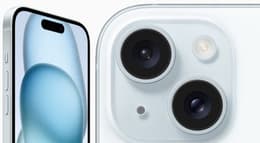
- Camera System Configuration: The Galaxy S23+ utilizes a versatile triple-lens setup featuring main, ultra-wide, and telephoto lenses, whereas the iPhone Air streamlines photography around a single high-resolution main lens supported by advanced computational imaging.
- Low-Light and Video Performance: Both devices capture detailed photos in challenging lighting conditions and record stable, high-definition video with clean audio capture for memories or content creation.
- Audio Output: Media playback and speaker clarity deliver balanced sound for casual listening, phone calls, and video viewing, though physical speaker configurations vary due to profile thickness.
Main camera
50 megapixels
48 megapixels
Front camera
12 megapixels
18 megapixels
Miscellaneous
Practical daily usability elements, including connectivity standards, physical dimensions, and handling characteristics, shape the user experience.
- Connectivity and Ports: Both models support rapid 5G cellular connectivity, modern Wi-Fi standards, and Bluetooth, utilizing USB-C connectors for charging and data synchronization.
- Physical Dimensions and Handling: The iPhone Air emphasizes an exceptionally thin and lightweight build that reduces pocket bulk, while the Galaxy S23+ maintains a slightly thicker profile that houses a larger physical battery.
- Biometrics and Security: Secure authentication is handled swiftly through facial recognition or fast in-display fingerprint sensors depending on the chosen ecosystem.
Weight
7 oz
185 oz
Screen size (inches)
6.6
6.5
Network
5G
5G
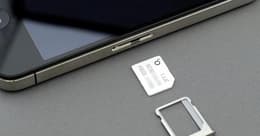
SIM card
Physical SIM + eSIM
eSIM
Carrier compatibility
Unlocked
Unlocked
What the community thinks
Users prioritizing a traditional multi-lens camera array, expandable Android ecosystem versatility, and a robust battery layout often gravitate toward the Galaxy S23+. Conversely, users seeking an ultra-lightweight chassis, deep iOS integration, and a streamlined physical footprint frequently prefer the iPhone Air. Choosing a quality-assured refurbished option through Back Market offers a sustainable way to access these high-end features while reducing electronic waste.
Ultimately, the right choice depends on whether your daily routine benefits more from versatile multi-lens photography and split-screen flexibility, or featherlight portability and modern software longevity. Both models serve as capable daily companions depending on individual hardware preferences.