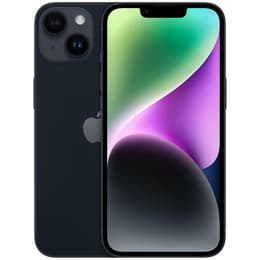
Galaxy S21 FE 5G • Locked AT&T vs iPhone 14 • Locked T-Mobile

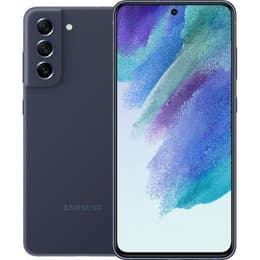
Galaxy S21 FE 5G • Locked AT&T
Starting at

Refurbished price:$135.00

Versus $699.99 new

See options
iPhone 14 • Locked T-Mobile
Starting at

Refurbished price:$269.00

Versus $599.00 new

See options

Ratings

The Samsung Galaxy S21 FE 5G, released in January 2022, and the Apple iPhone 14, launched in September 2022, are both prominent smartphones offering distinct user experiences. While the Galaxy S21 FE operates on the Android platform, providing a customizable interface, the iPhone 14 runs on Apple's iOS, known for its integrated ecosystem and streamlined operation. Key differentiators between these two devices include their display technology, camera systems, and software support timelines.

Scores

Durability

When considering the long-term usability of these devices, their release timelines and software support policies are important factors.

  • Release and Software Support: The Galaxy S21 FE 5G was released in January 2022, and Samsung has committed to providing four major Android OS upgrades, with its final expected update being Android 16. Security updates are anticipated until at least January 2027. The iPhone 14, released in September 2022, typically receives iOS updates for approximately five to seven years from its launch, suggesting support potentially until 2028 or even 2034. This extended software longevity for the iPhone 14 means it may receive new features and security patches for a longer duration.
  • Repairability: The Galaxy S21 FE 5G has a decent repairability score, with its internal components generally accessible, though some parts are glued in place. The iPhone 14 initially received a favorable repairability score due to an internal redesign that made the back glass easier to remove. However, this score was later downgraded due to Apple's requirement for parts pairing and software validation for repairs, which can complicate independent repairs.
  • Practical Lifespan: Both devices are built with durable materials and offer IP68 water and dust resistance, contributing to their physical longevity. The practical lifespan for either device will largely depend on individual usage patterns and the availability of software updates, which directly impacts security and app compatibility.

Release Year

2022

2022

Last OS Compatibility

Yes

Yes

OS

Android

iOS

Foldable

No

No

Performance

The performance of a smartphone is crucial for daily tasks, from app usage to multitasking and gaming.

  • Processing Power: The Galaxy S21 FE 5G is equipped with a processor that handles demanding applications and multitasking effectively, providing a smooth user experience. The iPhone 14 features a powerful chip that delivers responsive performance across various tasks, including intensive gaming and video editing. Users generally report smooth operation on both devices, though some Galaxy S21 FE users have noted the device can become warm under light usage.
  • Memory and Storage: The Galaxy S21 FE 5G is available with 6GB or 8GB of RAM and storage options of 128GB or 256GB. The iPhone 14 comes with 6GB of RAM and offers storage configurations of 128GB, 256GB, or 512GB. Both provide ample storage for most users, with the iPhone offering a higher maximum capacity.
  • Battery Behavior: The Galaxy S21 FE 5G houses a 4500 mAh battery. User feedback often describes its battery life as average, capable of lasting a full day with moderate use but draining quickly during heavy gaming. The iPhone 14, with its approximately 3279 mAh battery, generally offers good all-day battery life for typical usage. However, some users have observed faster battery degradation or significant drain during intensive camera use.

Memory (GB)

6 GB

6 GB

Screen quality

The display is a primary interface for smartphone interaction, and both devices offer high-quality viewing experiences with distinct characteristics.

  • Display Technology and Clarity: The Galaxy S21 FE 5G features a 6.4-inch Dynamic AMOLED 2X display, known for its vibrant colors and deep blacks. It offers a resolution of 1080 x 2400 pixels, providing clear visuals. The iPhone 14 comes with a 6.1-inch Super Retina XDR OLED display, which also delivers excellent contrast and color accuracy. Its resolution is 1170 x 2532 pixels.
  • Refresh Rate and Brightness: The Galaxy S21 FE 5G boasts a 120Hz refresh rate, contributing to smoother scrolling and more fluid animations. It achieves a typical brightness of 800 nits and a peak brightness of 1200 nits, ensuring good visibility even in bright outdoor conditions. The iPhone 14 has a standard 60Hz refresh rate. It matches the Galaxy S21 FE 5G with a typical brightness of 800 nits and a peak brightness of 1200 nits, offering comparable outdoor readability.
  • Viewing Experience: The larger screen of the Galaxy S21 FE 5G provides a more expansive viewing area, which can be beneficial for media consumption and productivity. The iPhone 14's slightly smaller display offers a more compact form factor, which some users may find easier for one-handed use.

Resolution

1080 x 2340

1170 x 2532

Screen type

Dynamic AMOLED 2X

Super Retina XDR OLED

Audiovisual

Both smartphones offer capable camera systems, designed to capture moments with clarity and detail, though they approach imaging with different strengths.

  • Rear Camera System: The Galaxy S21 FE 5G features a versatile triple-camera setup, including a 12 MP main lens with optical image stabilization (OIS), a 12 MP ultrawide lens, and an 8 MP telephoto lens with 3x optical zoom and OIS. This telephoto lens allows for magnified shots without significant loss of detail. The iPhone 14 is equipped with a dual-camera system, comprising a 12 MP main camera with sensor-shift OIS and a 12 MP ultrawide camera.
  • Photography Performance: Users generally find the Galaxy S21 FE's camera to be decent, with good performance in various conditions. However, some users have noted inconsistencies in color profiles between the ultrawide and main sensors. The iPhone 14's camera system is praised for capturing stunning photos in both low light and bright conditions, offering reliable and consistent results.
  • Video Recording and Front Camera: Both devices support 4K video recording. The Galaxy S21 FE 5G can record 4K at 30fps across all cameras, with the main camera also supporting 60fps. It has a 32 MP front camera. The iPhone 14 offers 4K Dolby Vision HDR recording and features a 12 MP front camera with autofocus.
  • Audio Experience: Both phones provide stereo speakers for media consumption. The microphone quality on both is suitable for calls and recording, delivering clear audio.

Main camera

12 megapixels

12 megapixels

Front camera

32 megapixels

12 megapixels

Miscellaneous

Beyond core features, several practical elements contribute to the overall user experience and daily convenience of these devices.

  • Connectivity and Ports: Both the Galaxy S21 FE 5G and the iPhone 14 support 5G connectivity, ensuring access to faster mobile networks where available. The Galaxy S21 FE 5G uses a USB-C 3.2 port for charging and data transfer. The iPhone 14 utilizes a Lightning port. Neither device includes a 3.5mm headphone jack.
  • Biometric Security: The Galaxy S21 FE 5G features an optical fingerprint sensor embedded under the display for secure unlocking. The iPhone 14 relies on Face ID for facial recognition, providing a secure and convenient unlocking method.
  • Design and Handling: The Galaxy S21 FE 5G has a glass front, a plastic back, and an aluminum frame, weighing 177g. The iPhone 14 features a Ceramic Shield front, a glass back, and an aluminum frame, weighing 172g. The iPhone 14 is slightly more compact and lighter, which may appeal to users preferring a smaller device, while the Galaxy S21 FE offers a larger screen in a slightly heavier build.

Weight

7 oz

6 oz

Screen size (inches)

6.4

6.1

Network

5G

5G

SIM card

Physical SIM

eSIM

Carrier compatibility

AT&T

T-Mobile

The Samsung Galaxy S21 FE 5G and the iPhone 14 cater to different preferences within the smartphone market, each with its own set of strengths and considerations based on user feedback.

Common praise for the Galaxy S21 FE 5G often highlights its vibrant and smooth 120Hz AMOLED display, which users find excellent for all types of content. Its versatile camera system, including a telephoto lens, is also frequently appreciated. However, a recurring criticism among users is its battery life, often described as average or not great, particularly with heavy usage. Some users also note inconsistencies in the ultrawide camera's color profile.

For the iPhone 14, users consistently praise its smooth performance, reliable camera quality in various lighting conditions, and the overall integrated experience of iOS. Its battery life is generally considered good for daily use. Some minor criticisms include observations of potential battery degradation over time and, for a few users, a slight discoloration around the camera island.

Users prioritizing a larger, high-refresh-rate display and the flexibility of the Android operating system, along with a dedicated telephoto camera, may find the Galaxy S21 FE 5G well-suited to their needs. Conversely, users who value a highly optimized ecosystem, consistent camera performance, and a longer software update commitment may lean towards the iPhone 14. Both devices offer robust performance for everyday tasks and are available as quality-assured refurbished options, providing an eco-friendly alternative for consumers.


See all articles

Our recent comparisons