Galaxy S22 5G • Locked T-Mobile vs iPhone 15 • Locked T-Mobile

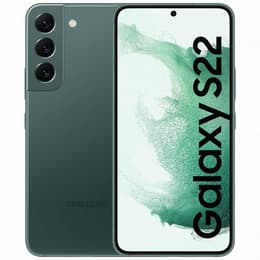
Galaxy S22 5G • Locked T-Mobile
Starting at

Refurbished price:$212.99

Versus $783.99 new

See options
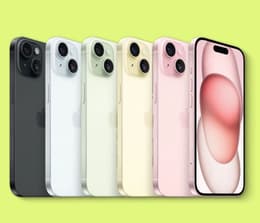
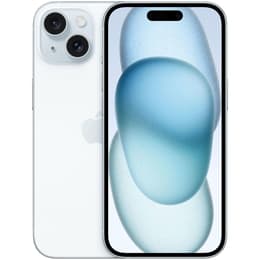
iPhone 15 • Locked T-Mobile
Starting at

Refurbished price:$379.00

Versus $699.00 new

See options

Ratings

The Samsung Galaxy S22 5G, released in February 2022, and the Apple iPhone 15, launched in September 2023, represent two distinct approaches to the modern smartphone experience. While both devices offer premium features in a compact form factor, they differ significantly in their operating systems, camera configurations, and display technologies. This comparison aims to highlight the practical distinctions between these two devices, helping users determine which aligns best with their daily needs and preferences.

Scores

Durability

The longevity of a smartphone is influenced by its release timeline, software support, and physical durability.

  • Release Timeline & Software Support: The Galaxy S22 5G was introduced in early 2022, and Samsung committed to providing four major Android OS updates and five years of security updates from its release, meaning it is expected to receive updates up to Android 16. As of February 2026, the Galaxy S22 series has transitioned to quarterly security updates, with official software support from Samsung expected to conclude around February 2027. The iPhone 15, on the other hand, arrived in late 2023 and is guaranteed a minimum of five years of software support from Apple, often extending beyond this period for major iOS versions and security patches, officially until September 22, 2028. This suggests the iPhone 15 will likely receive major iOS updates for a longer duration.
  • Physical Durability: Both devices feature an IP68 rating for dust and water resistance. The Galaxy S22 5G uses Gorilla Glass Victus+ on its front and back, paired with an Armor Aluminum frame. Drop tests for the Galaxy S22 series have indicated it may be less durable than its predecessor, the S21, and the iPhone 13, with some tests showing glass shattering on the first drop. The iPhone 15 incorporates a Ceramic Shield front cover and a color-infused glass back, set within an aluminum frame. The base iPhone 15 model has generally passed bend and scratch tests with ease, demonstrating robust construction.

Release Year

2022

2023

Last OS Compatibility

Yes

Yes

OS

Android

iOS

Foldable

No

No

Performance

Evaluating performance involves looking at how each device handles daily tasks, from launching applications to managing background processes, and how battery behavior supports typical usage.

  • System Responsiveness & Multitasking: The Galaxy S22 5G typically comes with 8GB of RAM, supporting fluid transitions between apps and efficient background process management. The iPhone 15 generally includes 6GB of RAM, which, combined with its optimized operating system, provides a responsive user experience, maintaining consistent speed when launching large applications or editing high-definition video.
  • Storage Options: Storage options for the Galaxy S22 5G include 128GB and 256GB. The iPhone 15 offers more storage flexibility with options for 128GB, 256GB, and 512GB.
  • Battery Behavior: The Galaxy S22 5G has a 3700 mAh battery. Users frequently report that its battery life can be a concern, often requiring more frequent charging throughout the day, especially with heavy use or features like the adaptive display. The iPhone 15 features a 3349 mAh battery and is designed with power efficiency in mind, typically lasting through a full day of varied use for most users. However, some heavy users have reported needing to charge by mid-afternoon or experiencing faster battery drain.

Memory (GB)

8 GB

6 GB

Screen quality

The display is a primary interface for user interaction, and both devices offer high-quality viewing experiences with distinct characteristics.

  • Display Technology and Clarity: The Galaxy S22 5G features a 6.1-inch Dynamic AMOLED 2X display, offering deep blacks and vibrant colors with a resolution of 1080 x 2340 pixels. The iPhone 15 comes with a 6.1-inch Super Retina XDR OLED display, providing sharp visuals and excellent contrast with a resolution of 1179 x 2556 pixels.
  • Motion and Brightness: The Galaxy S22 features a high refresh rate that makes scrolling through long documents and system menus appear exceptionally smooth and responsive to the touch. The iPhone 15 offers a significantly higher peak brightness level, which ensures the screen remains legible and clear even when used in direct, bright sunlight or harsh outdoor conditions. Some users accustomed to higher refresh rates on other devices may find the iPhone 15's 60Hz screen less fluid.

Resolution

1080 x 2340

1179 x 2556

Screen type

Dynamic AMOLED 2X

Super Retina XDR OLED

Audiovisual

Both devices offer advanced camera systems, but with different configurations and processing philosophies that impact photographic and videographic output.

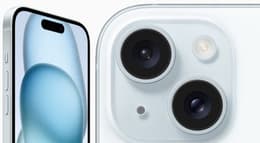
  • Rear Camera Systems: The Galaxy S22 5G features a triple-camera setup on the rear, including a 50MP main sensor, a 12MP ultra-wide lens, and a 10MP telephoto lens with 3x optical zoom. The iPhone 15 features a dual-camera system with a 48MP main sensor and a 12MP ultra-wide lens. It achieves a 2x optical zoom effect by cropping the high-resolution main sensor. The iPhone 15's main camera produces 24MP images by default, combining data from the 48MP sensor for enhanced detail.
  • Photography Performance: The iPhone 15 offers improved low-light performance and a next-generation Portrait mode that allows for automatic depth capture and post-capture focus adjustments. Users often praise the iPhone 15 for its accurate color reproduction and detail in various lighting conditions.
  • Video Recording & Front Camera: The Galaxy S22 5G can record up to 8K video at 24 frames per second, alongside 4K at 30/60fps, and features a 10MP front camera. The iPhone 15 records 4K video at 60fps and includes a 12MP front camera with autofocus, enhancing clarity for selfies and video calls.

Main camera

50 megapixels

48 megapixels

Front camera

10 megapixels

12 megapixels

Miscellaneous

Beyond core performance and display, several practical elements contribute to the overall user experience and device utility.

  • Connectivity and Ports: The Galaxy S22 5G supports 5G networks, Wi-Fi 6, and Bluetooth 5.2, featuring a USB-C port for charging and data transfer. The iPhone 15 also supports 5G connectivity but upgrades to Wi-Fi 6E and Bluetooth 5.3, offering potentially faster wireless speeds and improved connection stability. It also adopts a USB-C port, marking a shift from previous iPhone models.
  • Biometric Security & Design: The Galaxy S22 5G uses an ultrasonic in-screen fingerprint sensor for biometric authentication. The iPhone 15 relies solely on Face ID for secure facial recognition, integrated into its Dynamic Island feature. The Galaxy S22 5G measures 146 x 70.6 x 7.6 mm and weighs 167 grams, offering a compact and lightweight feel. The iPhone 15 is slightly larger and heavier at 147.6 x 71.6 x 7.8 mm and 171 grams.

Weight

7 oz

171 oz

Screen size (inches)

6.1

6.1

Network

5G

5G

SIM card

Physical SIM + eSIM

eSIM

Carrier compatibility

T-Mobile

T-Mobile

Connector

USB-C

USB-C (USB 2)

The Samsung Galaxy S22 5G and the iPhone 15 cater to users with differing priorities and ecosystem preferences. User feedback for the Galaxy S22 5G often highlights its compact size, versatile camera system, and the flexibility offered by the Android operating system. However, a frequent criticism revolves around its battery life, with many users reporting the need for regular charging throughout the day, especially under heavy usage.

The iPhone 15 receives praise for its significantly improved camera capabilities, the adoption of USB-C connectivity, and its generally smooth performance. Users appreciate the vibrant display and the overall integrated experience of the iOS ecosystem. Some common points of contention include the 60Hz refresh rate, which some users find less fluid compared to devices with higher refresh rates, and occasional reports of battery drain for very heavy users.

Users prioritizing a highly customizable operating system, a telephoto camera lens, and a slightly lighter device may find the Galaxy S22 5G well-suited to their needs. Conversely, those who value a longer software support timeline, superior low-light photography, a brighter display for outdoor use, and the Apple ecosystem will likely lean towards the iPhone 15. Both devices offer a quality-assured refurbished option, providing an eco-friendly alternative for consumers seeking to make informed and sustainable choices.

See all articles

Our recent comparisons