
Samsung
Compare models
Differences at a glance
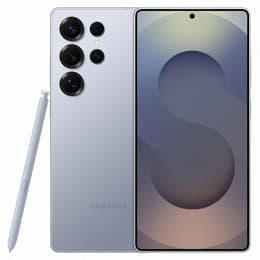
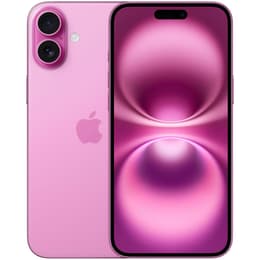
The Samsung Galaxy S25 Ultra, released in February 2025, and the iPhone 16 Plus, launched in September 2024, represent distinct approaches to the premium smartphone experience. While both devices offer advanced capabilities, they cater to different user preferences through their respective operating systems and hardware philosophies. The Galaxy S25 Ultra runs on Android 15 with Samsung's One UI, emphasizing customization and a versatile camera system, whereas the iPhone 16 Plus operates on iOS 18, focusing on a streamlined user experience and deep ecosystem integration. A key differentiator lies in the Galaxy S25 Ultra's integrated S Pen and its more advanced display technology.
Color
Storage
When considering the long-term usability of these devices, both the Galaxy S25 Ultra and the iPhone 16 Plus offer substantial software support and robust build quality.
Release Year
Last OS Compatibility
Foldable
Both smartphones deliver high-level performance suitable for demanding applications and multitasking, though their underlying architectures differ.
The visual experience on both devices is characterized by vibrant colors and sharp details, though they employ different display technologies and refresh rates.
Resolution
Screen type
Both devices offer advanced camera systems capable of capturing high-quality photos and videos, but they approach photographic versatility differently.
Beyond core performance and imaging, several practical features and design elements distinguish these two devices.
Weight
Screen size (inches)
Network
SIM card
Carrier compatibility
Connector
The Samsung Galaxy S25 Ultra and the iPhone 16 Plus each offer a compelling package for users seeking a high-end smartphone experience, with their strengths aligning with different priorities. Users often praise the Galaxy S25 Ultra for its highly versatile camera system, particularly its extensive zoom capabilities and high-resolution sensors, making it a strong choice for photography enthusiasts. Its large, vibrant 120Hz display and the integrated S Pen are also frequently highlighted as significant advantages for productivity and media consumption. Some users, however, might find its size and weight to be a factor in daily handling. [3, 11, 12, 18, 21, 36]
The iPhone 16 Plus is generally lauded for its consistent performance, the intuitive and secure iOS ecosystem, and its excellent battery life, which is often a key decision-making factor for many. Its dual-camera system, while less complex than the Ultra's, is recognized for producing reliable and high-quality images and videos. A common point of discussion for some users is the 60Hz refresh rate, which, while smooth for most tasks, does not offer the same fluidity as higher refresh rate displays found on some competitors. [7, 10, 13, 37]
Users prioritizing a highly customizable Android experience, a feature-rich camera with advanced zoom, a high refresh rate display, and the unique functionality of a built-in stylus may find the Galaxy S25 Ultra well-suited to their needs. Conversely, those who value the seamless integration of the Apple ecosystem, a streamlined user interface, robust security features like Face ID, and a strong emphasis on video capabilities might lean towards the iPhone 16 Plus. Both devices represent a significant investment, and exploring quality-assured refurbished options can be an eco-friendly alternative for acquiring these advanced smartphones. Ultimately, the choice depends on individual preferences for operating system, specific feature sets, and overall user experience.