Compare models
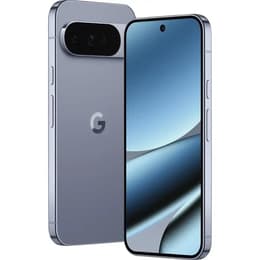
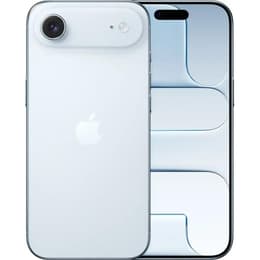
Google Pixel 10 Pro XL • Unlocked vs iPhone Air • Unlocked
- 1-year warranty
- Free standard shipping
- Free 30-day returns
Differences at a glance
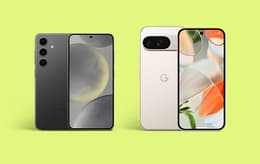
The Google Pixel 10 Pro XL (2025) and the Apple iPhone Air (2025) represent two distinct visions for modern high-end smartphones. While the Google Pixel 10 Pro XL emphasizes a large screen experience with robust multitasking hardware, the iPhone Air focuses on an ultra-slim profile and lightweight form factor. Operating on Android and iOS respectively, these devices cater to users looking for distinct ecosystem experiences wrapped in modern hardware.
Available Models
Color
Storage (GB)
Scores
Durability
Both devices launched in late 2025 and are built to remain relevant for years, though their long-term outlooks vary slightly by manufacturer support policies and design choices.
- Software Lifespan: Google provides multi-year operating system updates and security patches, aligning with Apple's traditional long-term support cycle for iOS releases.
- Repairability and Build: Both models utilize durable glass and metal configurations, though the ultra-thin chassis of the Apple device introduces different structural repair considerations compared to the conventional profile of the Google model.
- Expected Longevity: Both handsets feature robust internal components and ample memory configurations designed to handle evolving software demands over an extended multi-year ownership window.
Release Year
2025
2025
OS
Android
iOS
Foldable
No
No
Performance
System responsiveness and day-to-day operations are handled smoothly on both platforms, though they approach task management through different hardware configurations.
- Multitasking and Apps: Both devices load heavy applications quickly and manage background processes efficiently, ensuring seamless switching between productivity tools and media streaming.
- Gaming and Heavy Workloads: High-demand graphics applications run stably, though extended heavy usage can result in different thermal management behaviors due to the stark contrast in physical interior volume.
- Storage Configurations: Both models offer generous baseline storage tiers with options for expansive file retention, though neither includes expandable storage slots.
Screen quality
Display characteristics on both phones deliver sharp visuals, high contrast, and smooth motion handling for daily viewing needs.
- Display Technology: Both devices utilize advanced OLED panels that produce deep black levels, vibrant colors, and sharp text rendering suitable for reading and video playback.
- Brightness and Outdoor Visibility: High peak brightness capabilities ensure that screens remain legible under direct sunlight, while adaptive refresh rates scale smoothly up to 120Hz for fluid scrolling.
- Size and Format: The Google model offers a larger screen workspace suited for split-screen apps, whereas the Apple model features a slightly more compact viewing area optimized for one-handed reachability.
Resolution
1344 x 2992
2736x1260
Screen type
LTPO OLED
Super Retina XDR
Audiovisual
Media capture and audio output hardware cater to everyday creators and casual users alike, balancing versatility with point-and-shoot simplicity.
- Camera Systems: The Google model features a triple-lens rear arrangement including dedicated telephoto reach, while the Apple model relies on a streamlined single-lens high-resolution setup integrated into a raised camera plateau.
- Low-Light and Video: Both devices capture detailed images in challenging lighting conditions and offer stable high-definition video recording with clean audio separation during capture.
- Media Consumption: Built-in speaker arrays provide clear voice calls and adequate sound output for casual media streaming, though spatial audio support differs slightly between ecosystems.
Main camera
Pro triple rear camera system
48 megapixels
Front camera
42 MP Dual PD selfie camera with autofocus
18 megapixels
Miscellaneous
Physical dimensions and connectivity standards highlight the contrasting engineering approaches taken by each manufacturer.
- Portability and Weight: The Apple model prioritizes an exceptionally thin and lightweight profile for effortless pocketability, whereas the Google model carries a heavier, more substantial footprint to accommodate its larger battery and screen.
- Connectivity: Both units support modern 5G networks, high-speed Wi-Fi standards, and secure short-range pairing protocols for accessories and smart home integration.
- Authentication: Security features rely on biometric verification methods specific to each operating system, combining secure facial recognition or fingerprint scanning depending on the model.
Weight
1 oz
185 oz
Screen size (inches)
6.8
6.5
Network
5G
5G
SIM card
eSIM
eSIM
Carrier compatibility
Unlocked
Unlocked
Connector
USB-C
USB-C
What the community thinks
User discussions across community forums highlight distinct preferences for these two devices based on daily handling habits. Owners of the Google Pixel 10 Pro XL frequently praise its expansive display estate, comprehensive multi-lens camera versatility, and reliable endurance during long days away from a charger. Conversely, discussions surrounding the iPhone Air center heavily on admiration for its breakthrough thinness, comfortable lightweight feel in the hand, and smooth ecosystem integration. Common criticisms occasionally point to the Google device's heavier physical footprint, while users note that the ultra-slim profile of the Apple alternative limits internal space for larger battery capacities.
Users prioritizing a larger workspace, versatile zoom optics, and deep software customization may prefer the Google Pixel 10 Pro XL, while users valuing an exceptionally light, thin form factor and streamlined software will lean toward the iPhone Air. For those exploring sustainable purchasing routes, choosing a quality-assured refurbished option through platforms like Back Market provides an eco-friendly alternative that reduces electronic waste. Ultimately, the right choice depends entirely on whether physical minimalism or expansive media capability aligns better with your daily routine.