
Galaxy Z Flip4 • Unlocked vs iPhone 16 Plus • Unlocked

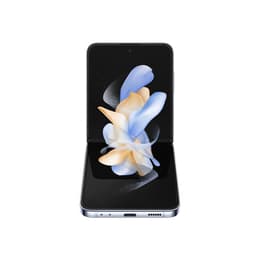
Galaxy Z Flip4 • Unlocked
Starting at

Refurbished price:$206.00

Versus $899.99 new

See options
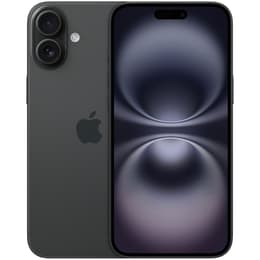
iPhone 16 Plus • Unlocked
Starting at

Refurbished price:$575.98

Versus $829.00 new

See options

Ratings

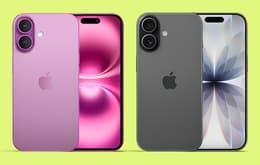
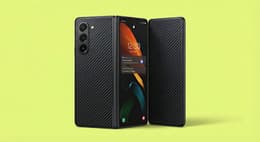
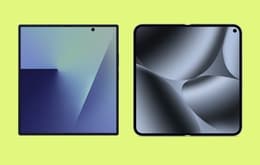
The Samsung Galaxy Z Flip4, released in August 2022, introduced a unique foldable design to the smartphone market, offering a compact form factor when closed. In contrast, the iPhone 16 Plus, launched in September 2024, represents Apple's larger-screen traditional smartphone offering, focusing on an expansive display and a robust ecosystem. These devices cater to different user preferences, with the Z Flip4 emphasizing portability and novelty, while the iPhone 16 Plus prioritizes a consistent, large-screen experience with the latest generational advancements in performance and camera technology.

Scores

Durability

When considering the long-term usability of a smartphone, software support and physical durability are key factors. The age difference between these two models significantly impacts their expected lifespan.

  • Software Longevity: The Galaxy Z Flip4, running Android, was promised four major OS updates and five years of security updates from its August 2022 release, extending its support until approximately 2027. The iPhone 16 Plus, on the other hand, benefits from Apple's typically longer software support, with iPhones generally receiving 5-7 years of major iOS updates and extended security patches, meaning the iPhone 16 Plus is expected to receive updates until around 2036.
  • Physical Durability: The Galaxy Z Flip4 features an aluminum frame and IPX8 water resistance, but lacks dust resistance, and its foldable screen technology is inherently more delicate than a traditional slab phone. Repairability for the Z Flip4 is considered low due to the use of adhesive and the complexity of replacing the foldable screen. The iPhone 16 Plus incorporates a Ceramic Shield front cover and an aluminum frame, offering robust protection against drops and scratches, along with IP68 water and dust resistance.
  • Practical Lifespan: Users prioritizing the latest software features and security updates for the longest possible duration will find the iPhone 16 Plus offers a more extended support window. The Z Flip4, while still supported, will reach its end-of-life for major OS updates sooner.

Release Year

2022

2024

Last OS Compatibility

Yes

Yes

Foldable

Yes

No

Performance

The performance of a smartphone is crucial for daily tasks, from app usage to demanding games and multitasking. The two devices, released two years apart, offer different levels of processing power and efficiency.

  • Everyday Responsiveness: The Galaxy Z Flip4, powered by a processor from its generation, handles everyday applications and multitasking smoothly, providing a responsive user experience. However, for graphically intensive games or very demanding applications, some users noted that gaming performance could throttle.
  • Advanced Processing Capabilities: The iPhone 16 Plus, featuring a newer generation processor, delivers enhanced performance for complex tasks, advanced gaming, and efficient handling of new AI-driven features. This newer chip also contributes to better power efficiency, allowing for sustained performance.
  • Multitasking and Storage: Both devices offer ample RAM for smooth multitasking, with the iPhone 16 Plus featuring 8GB of RAM, an upgrade from previous models, specifically to support advanced features. Both come with various storage options, typically starting from 128GB, though neither supports expandable storage via microSD cards.

Memory (GB)

8 GB

8 GB

Screen quality

The display is a primary interface for any smartphone, and both the Galaxy Z Flip4 and iPhone 16 Plus offer distinct visual experiences tailored to their form factors.

  • Display Technology and Size: The Galaxy Z Flip4 features a 6.7-inch foldable Dynamic AMOLED 2X main display, offering vibrant colors and deep blacks, along with a smaller 1.9-inch Super AMOLED cover display for quick interactions when folded. The iPhone 16 Plus sports a 6.7-inch Super Retina XDR OLED display, providing a large, consistent viewing area.
  • Resolution and Clarity: Both devices offer high-resolution displays, ensuring sharp text and clear images. The Z Flip4 has a 2640 x 1080 resolution, while the iPhone 16 Plus features a 2796 x 1290 resolution, both resulting in a pixel density of approximately 460 pixels per inch.
  • Brightness and Refresh Rate: The Z Flip4's main display boasts a 120Hz refresh rate for smooth scrolling and animations, with a peak brightness of 1200 nits. The iPhone 16 Plus maintains a standard 60Hz refresh rate but offers higher peak brightness levels, reaching 1000 nits typical and up to 2000 nits for outdoor viewing, enhancing visibility in bright conditions.

Resolution

1080 x 2640

1290 x 2796

Screen type

Foldable Dynamic AMOLED 2X

Super Retina XDR OLED

Audiovisual

Camera capabilities are a significant consideration for many users, and both smartphones provide different approaches to photography and videography.

  • Rear Camera Systems: The Galaxy Z Flip4 is equipped with a dual-camera setup on the rear, consisting of a 12MP wide-angle camera with optical image stabilization and a 12MP ultra-wide camera. It does not include a dedicated telephoto lens. The iPhone 16 Plus features a more advanced dual-camera system with a 48MP main camera (offering 2x optical quality zoom) and a 12MP ultrawide camera with a wider aperture for improved low-light performance.
  • Photography Features: The Z Flip4's cameras produce good images in most lighting conditions, with improved low-light performance compared to its predecessor. Its unique form factor allows for creative angles and high-quality selfies using the main cameras and the cover screen as a viewfinder. The iPhone 16 Plus introduces features like macro photography and the ability to record spatial video, which can be viewed in three dimensions.
  • Video and User Experience: Both devices offer strong video recording capabilities. The iPhone 16 Plus also includes a new, touch-sensitive Camera Control button for quick access to camera functions and precise control over focus and zoom.

Main camera

12 megapixels

48 megapixels

Front camera

10 megapixels

12 megapixels

Miscellaneous

Beyond core specifications, several practical elements contribute to the overall user experience and differentiate these two devices.

  • Connectivity and Ports: The Galaxy Z Flip4 supports 5G, Wi-Fi 6 (ax), and Bluetooth 5.2, featuring a USB-C 2.0 port for charging and data transfer. The iPhone 16 Plus also supports 5G and Wi-Fi 6E, with a USB-C port.
  • Biometric Security: The Z Flip4 uses a side-mounted fingerprint scanner for secure unlocking. The iPhone 16 Plus relies on Face ID, Apple's facial recognition system, housed within the Dynamic Island.
  • Design and Handling: The Z Flip4's clamshell design allows it to fold into a compact size, making it highly portable and pocketable. It weighs 187 grams. The iPhone 16 Plus, while a larger slab phone, has a refined design with an aluminum frame and a weight of 199 grams, offering a substantial feel in hand. The iPhone 16 Plus also features an Action Button, customizable for various functions, and a new Capture button for camera control.
  • Build Materials: The Z Flip4 uses an aluminum frame and ultra-thin glass for its foldable display. The iPhone 16 Plus features a Ceramic Shield front and a color-infused glass back, framed by aluminum.

Weight

7 oz

7030 oz

Screen size (inches)

6.7

6.7

Network

5G

5G

SIM card

Physical SIM + eSIM

eSIM

Carrier compatibility

Unlocked

Unlocked

Choosing between the Galaxy Z Flip4 and the iPhone 16 Plus involves weighing distinct priorities, as each device excels in different areas based on its design philosophy and release timeline.

Users often praise the Galaxy Z Flip4 for its unique, compact foldable form factor, which offers a refreshing change from traditional smartphones and enhances portability. Its ability to stand on its own for hands-free use and the utility of its cover screen for quick notifications and selfies are frequently highlighted. However, common criticisms include its battery life, which some users find requires daily charging, and its camera system, while good, is noted to lack the versatility of some other premium devices due to the absence of a telephoto lens.

The iPhone 16 Plus is generally lauded for its robust performance, extended software support, and significant camera advancements, including macro photography and spatial video capabilities. Its impressive battery life is also a consistent point of praise, often lasting a full day or more for many users. While its display offers high brightness and clarity, some users might note the absence of a higher refresh rate compared to some competitors. The integration of features like the Action Button and Camera Control button also contributes to a streamlined user experience.

Users prioritizing a highly portable, distinctive device with a novel foldable design and a focus on creative photography will find the Galaxy Z Flip4 well-suited to their needs. Conversely, those who value a large, consistent display, top-tier performance for demanding applications, advanced camera features, and a longer software support lifespan will likely lean towards the iPhone 16 Plus. Both devices offer compelling experiences, and for those considering a more sustainable choice, quality-assured refurbished options for either model provide an eco-friendly alternative to purchasing new.
See all articles

Our recent comparisons