Compare models

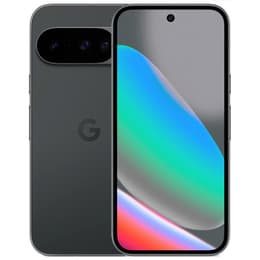
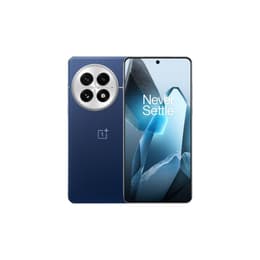
Google Pixel 10 • Unlocked vs OnePlus 13 • Unlocked

  • 1-year warranty
  • Free standard shipping
  • Free 30-day returns
Google Pixel 10 • Unlocked
Starting at

Refurbished price:$475.00

Versus $899.00 new

See options
OnePlus 13 • Unlocked
Starting at

Refurbished price:$774.00

Versus $1,200.00 new

See options

Differences at a glance

The Google Pixel 10 (2025) and the OnePlus 13 (2025) are high-end smartphones representing distinct approaches to mobile engineering, user interface design, and everyday functionality. While both devices run on the Android operating system with customized manufacturer interfaces, they diverge significantly in physical size, battery design, and overall processing philosophy. This comparison explores their core specifications to help users determine which device aligns best with their daily routines.

Available Models

Color

Storage (GB)

Scores

Durability

Both smartphones provide robust build quality and extended software support schedules, though their update commitments and physical durability profiles differ slightly based on release timelines.

  • Software longevity: The Google Pixel 10 features an extensive multi-year operating system update window, ensuring long-term access to new security patches and platform features. The OnePlus 13 offers a competitive software support lifecycle covering several major platform upgrades.
  • Repairability and build: Both models utilize high-grade aluminum frames and strengthened glass panels designed to withstand everyday wear. Standard repair options and modular parts availability are supported globally by both manufacturers.
  • Expected lifespan: Thanks to generous RAM configurations and efficient power management, both devices maintain reliable performance headroom capable of supporting users smoothly over several years of continuous daily use.

Release Year

2025

2024

OS

Android

Android

Foldable

No

No

Performance

Underneath the surface, these devices handle demanding workflows, multitasking, and casual gaming through high-performance internal configurations coupled with optimized system software.

  • Processing speed: Both devices manage intensive mobile applications, split-screen multitasking, and graphic-heavy games smoothly without noticeable stutter or thermal throttling during extended use.
  • Memory and storage: Configurations feature substantial random access memory paired with flexible storage tiers ranging from standard capacities up to expansive multi-hundred gigabyte options, accommodating extensive media libraries.
  • Battery behavior: The Google Pixel 10 utilizes a moderately sized battery tailored for efficient all-day moderate use, whereas the OnePlus 13 incorporates an extra-large capacity battery designed to easily sustain heavy daily use alongside rapid-charging capabilities.

Screen quality

Visual immersion and panel technologies vary noticeably between the two models, offering distinct physical dimensions and viewing characteristics.

  • Display technology: The Google Pixel 10 features a vibrant OLED screen with crisp contrast levels and deep black rendering, while the OnePlus 13 utilizes a larger advanced AMOLED panel capable of extremely high peak brightness levels for outdoor readability.
  • Refresh rate and fluidity: Both screens support smooth maximum refresh rates, ensuring fluid scrolling through web pages, animation transitions, and responsive touch tracking during gaming.
  • Form factor: The Pixel 10 offers a more compact, pocket-friendly footprint that is easy to manage with one hand, whereas the OnePlus 13 provides a much larger viewing canvas well-suited for media streaming and document reading.

Resolution

1080x2424

1440x3168

Screen type

OLED

LTPO 4.1 AMOLED

Audiovisual

Optics and multimedia performance reflect different design priorities, balancing computational image enhancement with versatile physical lens hardware.

  • Camera versatility: The Google Pixel 10 relies heavily on advanced computational photography algorithms to deliver balanced everyday snapshots and portraits, complemented by a dedicated telephoto zoom lens. The OnePlus 13 features a high-resolution triple-lens setup developed in collaboration with traditional optical partners, excelling in fine detail retention and color accuracy.
  • Low-light and video: Both devices capture clear low-light imagery with minimal noise and shoot stable, high-resolution video equipped with effective digital stabilization.
  • Audio output: Stereo speaker systems on both models deliver clear voice reproduction and balanced media playback, while microphone arrays isolate speech effectively during phone calls and video recordings.

Main camera

Advanced Triple Rear

50 megapixels

Front camera

10.5-megapixel Dual PD selfie camera with autofocus

32 megapixels

Miscellaneous

Connectivity standards, physical handling attributes, and day-to-day utility features shape the practical experience of carrying and using each device.

  • Connectivity and ports: Both models support modern fifth-generation cellular networks, rapid wireless communication standards, and secure Bluetooth pairing, utilizing reversible USB Type-C ports for charging and data transfer.
  • Authentication sensors: Quick biometric login is available on both devices via responsive under-display fingerprint sensors and secure facial recognition options.
  • Physical dimensions: The Pixel 10 weighs slightly less and features a narrower profile for comfortable one-handed handling, while the OnePlus 13 has a heavier, wider chassis that houses its larger display and power cell.

Weight

7 oz

7 oz

Screen size (inches)

6.3

6.82

Network

LTE

5G

SIM card

eSIM

Dual Physical SIM + eSIM

Carrier compatibility

Unlocked

Unlocked

Connector

USB-C

USB-C

What the community thinks

User discussions across online communities frequently highlight the Google Pixel 10 for its clean software experience, dependable pocket-friendly size, and intelligent photo processing tools. Conversely, owners of the OnePlus 13 frequently praise its exceptionally long battery life, fast charging speeds, and expansive high-resolution display. Common criticisms for the Pixel occasionally center on moderate charging speeds, while some users note that the larger footprint of the OnePlus can feel cumbersome during single-handed operation.

Users prioritizing a compact physical profile, streamlined software interface, and robust long-term platform support will find the Google Pixel 10 well-suited to their daily routines. Meanwhile, individuals who lean toward maximum screen space, extended battery endurance, and rapid charging speeds will likely prefer the OnePlus 13. Selecting a quality-assured refurbished option through platforms like Back Market provides an eco-friendly and sustainable choice for acquiring either of these capable devices.


Our recent comparisons