
iPhones
Compare models
Differences at a glance
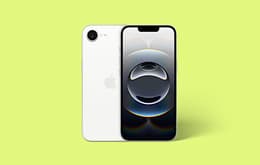
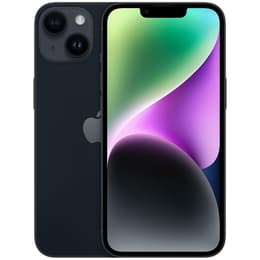
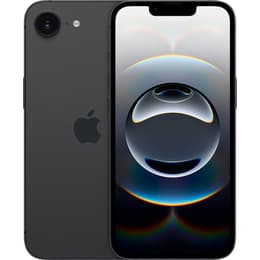
The iPhone 14, released in September 2022, is a well-established smartphone known for its reliable performance and camera capabilities. The iPhone 16E, however, is not an official Apple model. This comparison will therefore treat the iPhone 16E as a hypothetical entry-level device from the iPhone 16 generation, drawing on expected generational advancements and common rumors for the base iPhone 16 models, which would typically see a release around late 2025. This allows for an evaluation of how a newer, standard-tier iPhone might differ from the iPhone 14, focusing on the natural evolution of features and technology over a three-year period.
Color
Storage
When considering the practical lifespan of these devices, several factors come into play, primarily software support and physical durability.
Release Year
OS
Foldable
Performance differences between the iPhone 14 and a hypothetical iPhone 16E would largely stem from advancements in internal processing power and memory.
The display experience would see refinements and potential upgrades across generations, impacting visual clarity and user interaction.
Resolution
Screen type
Camera systems typically receive significant upgrades with each new iPhone generation, and this would be a key differentiator.
Main camera
Front camera
Beyond core components, several practical elements contribute to the overall user experience and connectivity.
Weight
Screen size (inches)
Network
SIM card
Carrier compatibility
Connector
The iPhone 14 remains a capable and reliable smartphone, offering a strong balance of performance, camera quality, and durability for everyday use. It provides a consistent Apple experience with a proven track record for software support and ecosystem integration. Users who prioritize a well-established device with solid performance for general tasks, photography, and media consumption will find the iPhone 14 to be a suitable option.
A hypothetical iPhone 16E, representing a newer generation entry-level iPhone, would naturally offer several advancements. Users prioritizing the latest processing power for demanding applications and future-proofing, along with enhanced camera capabilities like spatial video and potentially a 48MP main sensor, would likely find the newer model more appealing. The shift to USB-C connectivity and the inclusion of features like the Action Button and Capture Button would also cater to those seeking modern conveniences and improved user interaction.
Ultimately, the choice depends on individual priorities. Users who value a mature, dependable device with excellent core functionality may find the iPhone 14 meets their needs. Those who seek the most up-to-date technology, including significant camera improvements, faster processing, and modern connectivity standards, would lean towards a device embodying the advancements of a hypothetical iPhone 16E. For those considering either option, exploring quality-assured refurbished alternatives can provide an eco-friendly way to access these devices.