
Google Pixel
Compare models
Differences at a glance
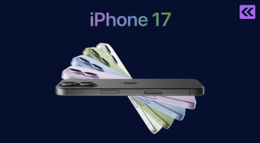
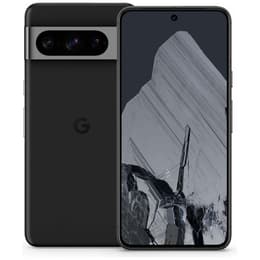
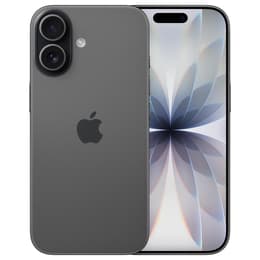
The Google Pixel 8 Pro (2023) and the iPhone 17 (2025) represent two distinct approaches to flagship smartphone design, bridging different operating systems and release years. While the Google Pixel 8 Pro runs on Android and features a versatile multi-lens camera layout, the iPhone 17 runs on iOS and brings a newer generation of hardware improvements. These devices differ primarily in their software ecosystems, camera philosophy, and overall generation timeline, making each well-suited to different user preferences.
Color
Storage (GB)
Both smartphones provide robust long-term software support and dependable build quality, though they approach longevity from different angles.
Release Year
Last OS Compatibility
OS
Foldable
System responsiveness and everyday multitasking capabilities differ due to generational processor advancements and distinct software optimization.
Viewing experiences on both displays deliver sharp details and smooth motion, utilizing advanced panel technologies.
Resolution
Screen type
Photography and media consumption setups cater to varied creative workflows through distinct lens configurations and audio engineering.
Main camera
Front camera
Connectivity standards, physical dimensions, and daily handling characteristics shape the practical ergonomics of each device.
Weight
Screen size (inches)
Network
SIM card
Carrier compatibility
Connector
Users prioritizing a flexible Android operating system, a dedicated optical zoom telephoto lens, and a larger screen canvas often lean toward the Google Pixel 8 Pro. Conversely, users seeking the iOS ecosystem, a lighter physical profile, and a newer hardware release cycle frequently prefer the iPhone 17. Selecting a quality-assured refurbished option through Back Market offers an eco-friendly, sustainable way to acquire either model without compromising on performance reliability. Ultimately, the choice depends on personal software preference and physical handling comfort rather than any universal advantage.