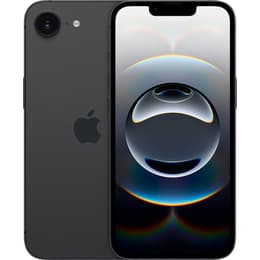

Google Pixel 9 Pro • Unlocked vs iPhone 16e • Unlocked

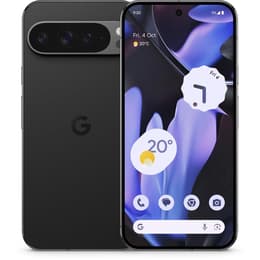
Google Pixel 9 Pro • Unlocked
Starting at

Refurbished price:$435.86

Versus $899.99 new

See options
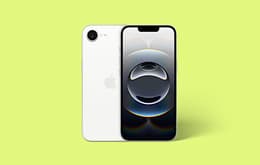
iPhone 16e • Unlocked
Starting at

Refurbished price:$361.00

Versus $599.00 new

See options

Ratings

The Google Pixel 9 Pro, released in late 2024, represents Google's flagship Android offering, emphasizing advanced computational photography and artificial intelligence. In contrast, the iPhone 16E, launched in early 2025, aimed to deliver a core iOS experience with reliable performance. While the Pixel 9 Pro offers a comprehensive suite of high-end features and Google's latest software innovations, the iPhone 16E focuses on providing essential Apple functionalities within a more streamlined package. These devices cater to different operating system preferences while aiming to provide a robust smartphone experience.

Scores

Durability

When considering the long-term usability of a smartphone, software support and physical resilience are key factors. Both the Google Pixel 9 Pro and the iPhone 16E offer substantial longevity, though their approaches and timelines differ.

  • Software Support: The Pixel 9 Pro is designed for extended relevance, receiving seven years of major Android updates and security patches, ensuring a prolonged period of new features and security enhancements until at least August 2031. [4, 6, 14, 24] The iPhone 16E, following Apple's typical support cycle, was expected to offer at least five years of iOS updates and ongoing security patches from its release. [8, 12, 15, 17, 20, 23]
  • Release and Availability: The Pixel 9 Pro was released in late 2024 and remains a current model. [14, 18, 21] The iPhone 16E, however, had a shorter retail lifespan, being announced in February 2025 and discontinued in March 2026 in favor of a newer model. [2, 7, 8, 10] This means that while the Pixel 9 Pro benefits from ongoing direct retail availability, the iPhone 16E is primarily accessible as a quality-assured refurbished option.
  • Physical Durability: The Pixel 9 Pro features Gorilla Glass Victus 2 for display protection and a metallic frame, contributing to its robust build. [19] The iPhone 16E incorporates a Ceramic Shield front and an aluminum frame, offering a durable design. [7, 10, 25] Both models are expected to have industry-standard water and dust resistance ratings, contributing to their practical lifespan.

Release Year

2024

2025

OS

Android

iOS

Foldable

No

No

Performance

The performance of both devices is optimized for their respective ecosystems, providing smooth operation for daily tasks and demanding applications. The core difference lies in their underlying architecture and how they handle processing power and multitasking.

  • Processing Power: The Pixel 9 Pro is equipped with Google's Tensor G4 processor, which is specifically optimized for on-device artificial intelligence tasks, advanced image processing, and efficient multitasking. [19, 22] The iPhone 16E incorporates the Apple A18 chip, known for its strong general performance, fluid app navigation, and capable handling of graphics-intensive applications. [7, 8, 10, 16]
  • Multitasking and Responsiveness: With 16GB of RAM, the Pixel 9 Pro offers substantial capacity for running numerous applications simultaneously and switching between them without noticeable slowdowns. [14, 19, 22] The iPhone 16E, featuring 8GB of RAM, also provides a responsive user experience, efficiently managing multiple apps and ensuring smooth transitions within the iOS environment. [8, 16]
  • Battery Behavior: The Pixel 9 Pro includes a 4,700mAh battery, designed to support its powerful components and extensive AI features throughout a typical day of use. [9, 14] The iPhone 16E, with a 3,279mAh battery, is optimized for efficiency within the iOS ecosystem, offering up to 26 hours of video playback. [7, 27] Users often report that the Pixel 9 Pro generally offers longer battery life due to its larger capacity and efficient optimization. [27]

Memory (GB)

16 GB

8 GB

Screen quality

The visual experience on both smartphones is designed to be immersive, though they employ different display technologies and specifications that impact clarity, brightness, and smoothness.

  • Display Technology and Resolution: The Pixel 9 Pro features a 6.3-inch OLED display with a resolution of 2856 x 1280 pixels, providing a sharp and vibrant picture quality. [19, 22] The iPhone 16E comes with a 6.1-inch OLED display, offering a resolution of 2532 x 1170 pixels (460 PPI), which delivers clear text and vibrant colors. [7, 10, 25] Both utilize OLED technology, known for deep blacks and high contrast. [34]
  • Brightness and Refresh Rate: The Pixel 9 Pro boasts a peak brightness of 3,000 nits and an adaptive refresh rate ranging from 1Hz to 120Hz, resulting in exceptionally smooth scrolling and fluid animations. [19, 22] The iPhone 16E offers a maximum brightness of 800 nits and a peak HDR brightness of 1200 nits, with a standard 60Hz refresh rate. [10, 25] While the iPhone's display is perfectly adequate for most daily use, the Pixel's higher refresh rate provides a more fluid visual experience, particularly for gaming and fast-paced content.
  • Viewing Experience: The Pixel 9 Pro's larger screen and higher peak brightness make it well-suited for outdoor visibility and HDR content consumption. [19, 22] The iPhone 16E's display, while smaller and with a lower refresh rate, still provides a consistent and clear visual experience, with wide color support and True Tone technology for comfortable viewing in various lighting conditions. [10, 25]

Resolution

1280 x 2856

2532x1170

Screen type

LTPO OLED

Super Retina XDR

Audiovisual

Both devices offer capable camera systems, but they approach photography with distinct hardware configurations and software philosophies, influencing their overall imaging capabilities.

  • Rear Camera System: The Pixel 9 Pro features a versatile triple-camera setup, including a 50MP main sensor with optical image stabilization (OIS), a 48MP ultrawide lens with a 123-degree field of view, and a 48MP periscope telephoto lens offering 5x optical zoom and up to 30x Super Res Zoom. [19, 22, 31] This configuration allows for a wide range of photographic scenarios, from expansive landscapes to distant subjects. The iPhone 16E, in contrast, utilizes a single 48MP Fusion main camera with OIS, which can achieve a 2x optical-quality zoom by cropping the sensor. [7, 10, 11, 25] It lacks a dedicated ultrawide or telephoto lens.
  • Computational Photography and Video: Google's Pixel line is renowned for its advanced computational photography, offering features like Night Sight for low-light performance and various AI-driven enhancements. [35, 36, 37] The Pixel 9 Pro is capable of recording video at up to 8K resolution at 30 frames per second. [22, 31] The iPhone 16E supports features like Smart HDR 5, Photonic Engine, Deep Fusion, and Night Mode, delivering strong image quality in various conditions. [7] It records 4K video at up to 60 frames per second. [7]
  • Front Camera and Audio: The Pixel 9 Pro includes a 42MP front camera. [22] The iPhone 16E features a 12MP TrueDepth front camera with autofocus, capable of 4K video recording. [7] Both devices offer quality microphone performance for calls and recording, and are equipped with studio speakers for a good media consumption experience. [7, 32]

Main camera

50 megapixels

48MP

Front camera

42 megapixels

TrueDepth 12MP

Miscellaneous

Beyond core performance and camera capabilities, several practical elements contribute to the overall user experience, including connectivity, physical design, and security features.

  • Connectivity and Ports: Both the Pixel 9 Pro and iPhone 16E support 5G cellular connectivity, ensuring fast mobile data speeds. They also feature modern Wi-Fi standards and Bluetooth for wireless connections. [30] The Pixel 9 Pro includes Bluetooth 5.3. [30] The iPhone 16E has transitioned to a USB-C port for charging and data transfer, aligning with current industry standards. [7, 10, 11]
  • Biometric Security and Design: The Pixel 9 Pro offers an in-display fingerprint sensor for secure unlocking, complemented by face unlock capabilities. [13, 31] Its design features a distinct, redesigned camera bar and a metallic frame. [9, 18, 38] The iPhone 16E relies on Apple's Face ID facial recognition system for security and features an Action Button, replacing the traditional mute switch. [7, 13, 16, 25] Its design includes an aluminum frame and a glass back, with a notch similar to earlier iPhone models. [7, 10, 25]
  • Dimensions and Handling: The Pixel 9 Pro has a 6.3-inch display, making it a relatively compact flagship option. [19, 22] The iPhone 16E, with its 6.1-inch display, shares similar dimensions and front design with the iPhone 13 and 14, offering a comfortable feel for one-handed use. [7, 25] The iPhone 16E notably omits features like MagSafe and an ultra-wideband chip, which are present in other iPhone models. [7]

Weight

7 oz

167 oz

Screen size (inches)

6.3

6.1

Network

5G

5G

SIM card

Physical SIM + eSIM

eSIM

Carrier compatibility

Unlocked

Unlocked

Connector

USB-C

USB-C

The Google Pixel 9 Pro and the iPhone 16E offer distinct smartphone experiences, each with its own set of strengths tailored to different user preferences. User sentiment for the Pixel 9 Pro often highlights its exceptional camera performance, particularly its computational photography capabilities, and the long-term software support provided by Google. [14, 24, 35] Users also appreciate its powerful processor optimized for AI tasks and its vibrant, high refresh rate display. Some common criticisms for Pixel devices in general have historically revolved around battery consistency, though the Pixel 9 Pro's larger battery aims to address this. [27]

The iPhone 16E, despite its relatively short retail availability, was praised for bringing a modern OLED display and the powerful A18 chip to a more accessible price point within the Apple ecosystem. [2, 8, 10, 25] Users valued its reliable performance, Face ID security, and the integration of Apple Intelligence. [7, 8, 10, 16] However, some users noted the absence of features found in higher-tier iPhones, such as a high refresh rate display, an ultrawide camera, and MagSafe compatibility. [7, 10, 25]

Users prioritizing a comprehensive camera system with advanced zoom capabilities, a high refresh rate display, and the extensive customization options of Android, coupled with a long software support window, may find the Google Pixel 9 Pro well-suited to their needs. Conversely, users who value the intuitive iOS experience, robust security features like Face ID, and a streamlined design, and who do not require a multi-lens camera system or a high refresh rate display, may lean toward the iPhone 16E. For those seeking a sustainable choice, both devices are available as quality-assured refurbished options, offering an eco-friendly alternative to purchasing new.

See all articles

Our recent comparisons