Compare models

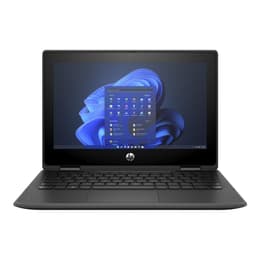
HP Pro x360 Fortis G10 11" vs Microsoft Surface Pro 9 13"

  • 1-year warranty
  • Free standard shipping
  • Free 30-day returns
Microsoft Surface Pro 9 13"
Starting at

Refurbished price:$758.00

Versus $1,899.00 new

See options

Differences at a glance

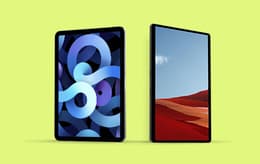
The HP Pro x360 Fortis G10 11-inch (2022) and the Microsoft Surface Pro 9 13-inch (2022) represent two distinct approaches to portable Windows computing, bridging traditional laptops and flexible tablet formats. While both devices run on the Windows 11 operating system and feature touchscreens, they diverge significantly in form factor, build philosophy, and hardware capability. The HP model focuses on a rugged, convertible notebook design tailored for durability, whereas the Microsoft device offers a detachable tablet structure emphasizing a streamlined profile and high-resolution display performance.

Available Models

Storage

Processor

Memory

Scores

Durability

Both laptops launched around the same period and benefit from long-term software support via Windows 11, though physical longevity varies due to distinct structural designs and repair considerations.

  • Software Support Timeline: Both models receive regular security updates and operating system patches directly from Microsoft, ensuring consistent software longevity over several years.
  • Build Durability: The HP model features rugged reinforced chassis elements designed to withstand heavy daily handling, while the Microsoft device utilizes a sleek aluminum body that prioritizes a lightweight, slim profile.
  • Repairability and Component Access: The Microsoft Surface Pro relies heavily on a sealed configuration that limits component swapping, whereas select components on standard education-focused devices are designed for streamlined maintenance.

Release Year

2022

2022

OS

Windows 11

Windows 11

Performance

The internal configurations handle everyday tasks, multitasking, and media consumption differently based on processor allocations and available memory bandwidth.

  • Everyday Multitasking: Both units transition smoothly between web browsing, document editing, and video streaming, though higher-tier configurations handle heavier concurrent applications with greater fluidity.
  • Thermal Management and Speed: The HP notebook operates efficiently under standard productivity loads, whereas higher-end configurations of the Surface Pro manage demanding workloads and complex creative software smoothly through active cooling systems.
  • Storage and Memory: Storage configurations range from compact solid-state drives to expansive capacities, paired with varying random access memory thresholds that influence how many background applications remain active simultaneously.

Graphic card

Integrated Graphics

Integrated Graphics

Screen quality

Visual output differs noticeably in size, resolution, and refresh rate, shaping distinct viewing experiences for daily tasks and entertainment.

  • Display Panel and Clarity: The HP model features a compact high-definition display suitable for basic text work, while the Surface Pro utilizes a high-resolution pixel-dense screen that delivers exceptional sharpness for detailed visual tasks.
  • Refresh Rate and Fluidity: Scrolling and pen input benefit from higher refresh rate support on the Microsoft device, producing smoother visual motion compared to standard refresh panels.
  • Brightness and Outdoor Usability: Both screens offer adequate illumination for indoor environments, with peak brightness thresholds varying when using the devices near direct natural light sources.

Resolution

1366 x 768

2880 x 1920

Screen type

LCD

IPS

Audiovisual

Media consumption and communication features vary across both form factors, influencing video conferencing and audio playback quality.

  • Webcam and Video Calls: The Surface Pro includes high-resolution front and rear camera setups optimized for virtual meetings, while the HP notebook provides functional front-facing optics suitable for standard remote communication.
  • Audio Output: Stereo speakers integrated into both models deliver clear sound for conference calls and media streaming, with certain configurations offering enhanced spatial audio profiles.
  • Microphone Clarity: Far-field microphone arrays capture voice inputs clearly during calls, reducing background distractions in busy environments.

Miscellaneous

Physical dimensions, port selections, and connectivity standards dictate how each device integrates into mobile workspaces and travel routines.

  • Port Selection: The HP device includes traditional USB ports alongside modern type-C connections, whereas the Microsoft option relies on streamlined high-speed data ports and a dedicated charging interface.
  • Weight and Portability: The HP form factor adds slightly more heft in exchange for an attached keyboard hinge, while the detachable Microsoft tablet offers a lighter handheld footprint when separated from its keyboard cover.
  • Wireless Connectivity: Both units incorporate current wireless standards and Bluetooth protocols for reliable peripheral pairing and network access on the go.

Weight

4 oz

31 oz

Screen size

11

13

What the community thinks

Users evaluating these devices often highlight the rugged, all-in-one convertible nature of the HP Pro x360 Fortis G10, praising its secure attached keyboard and sturdy frame for routine tasks. Conversely, owners of the Microsoft Surface Pro 9 frequently commend its vibrant, high-resolution screen and versatile detachable layout, though some note that acquiring the keyboard cover separately requires additional planning. Reviewers across community forums generally agree that both machines excel within their intended environments, provided the user matches the hardware to their specific daily workflow.

Users prioritizing a sturdy, attached keyboard structure and robust everyday resilience may prefer the HP model, while users prioritizing a high-resolution display and a detachable tablet format often lean toward the Microsoft alternative. Exploring quality-assured refurbished options on Back Market provides an eco-friendly path to acquiring these devices while supporting sustainable technology choices. Ultimately, selecting the right laptop depends entirely on whether daily routines call for a traditional convertible notebook or a lightweight modular tablet.

Our recent comparisons