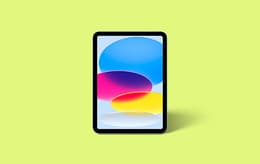
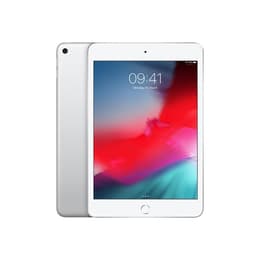
iPad 7 (2019, A10 series) vs iPad mini 5 (2019, A12 series)

iPad 7 (2019, A10 series)
Starting at

Refurbished price:$94.00

Versus $329.00 new

See options
iPad mini 5 (2019, A12 series)
Starting at

Refurbished price:$165.95

Versus $599.00 new

See options

Ratings

The iPad 2019 (7th Generation) and the iPad Mini 2019 (5th Generation) are two tablets released by Apple in the same year, yet they cater to different user preferences through distinct form factors and internal specifications. While both devices operate on Apple's iPadOS, offering a consistent software experience, the larger iPad 2019 prioritizes screen real estate, whereas the iPad Mini 2019 focuses on portability and features a more advanced processor.

Scores

Durability

When considering the long-term usability of these tablets, their release timelines and hardware play a significant role in expected software support and overall lifespan.

  • Release and OS Support: The iPad Mini 2019 was released in March 2019, while the iPad 2019 followed in September 2019. The iPad Mini 2019, powered by the A12 Bionic chip, is expected to receive iPadOS updates for a longer duration compared to the iPad 2019, which features the older A10 Fusion chip. As of April 2026, the iPad Mini 2019 runs iPadOS 26.4.1, indicating continued support. The iPad 2019, however, is currently on iPadOS 18.7.7 and is noted as the last supported iPad lacking a Neural Engine, suggesting its update cycle may conclude sooner.
  • Repairability: Both devices present challenges for repair, with iFixit assigning a low repairability score of 2 out of 10 to both models. This is primarily due to the extensive use of adhesive throughout the internal components, making battery replacements and other repairs unnecessarily difficult. The Lightning port, a common point of failure, is soldered to the logic board in the iPad 2019, further complicating repairs.
  • Practical Lifespan: Users can expect several more years of functional use from both devices for general tasks. However, the iPad Mini 2019's more capable processor provides a greater buffer for future software demands and application performance, potentially extending its practical lifespan for more intensive tasks compared to the iPad 2019.

Release Year

2019

2019

Last OS Compatibility

Yes

Yes

OS

iPadOS

iPadOS

Maximum Operating System supported

iPadOS 18

iPadOS 18

Performance

The performance of these two tablets is largely dictated by their respective internal components, influencing how smoothly they handle applications, multitasking, and demanding operations.

  • Processor Capabilities: The iPad Mini 2019 is equipped with a more advanced processor, which translates to noticeably faster application loading times and smoother performance across various tasks. This allows it to handle graphically intensive games and complex applications with greater ease and responsiveness. The iPad 2019, while capable for everyday use, utilizes an older generation processor that may show limitations with more demanding software or extensive multitasking.
  • Multitasking and Responsiveness: Both devices feature 3 GB of RAM, which is sufficient for basic multitasking. However, the iPad Mini 2019's more efficient processor architecture contributes to a more fluid overall system responsiveness, especially when switching between multiple applications or running several processes simultaneously. Users of the iPad 2019 might experience occasional stutters or slower transitions when pushing the device with numerous open applications.
  • Storage Options: The iPad Mini 2019 offers storage configurations of 64 GB and 256 GB, providing more base storage for users. The iPad 2019 comes with 32 GB or 128 GB storage options, which might be a limiting factor for users who store a large number of apps, photos, or videos.

Memory (GB)

3 GB

3 GB

Processor

Apple A10 Fusion

Apple A12 Bionic

Screen quality

The visual experience on these tablets differs significantly due to variations in display technology and size, impacting clarity, color reproduction, and overall viewing comfort.

  • Display Technology and Clarity: Both iPads feature IPS LCD Retina displays, offering sharp text and images. However, the iPad Mini 2019's 7.9-inch display boasts a higher pixel density of 326 ppi (pixels per inch) compared to the iPad 2019's 10.2-inch display at 264 ppi. This results in a slightly crisper image on the smaller Mini. Additionally, the iPad Mini 2019 includes a fully laminated display, True Tone technology for adaptive white balance, and P3 wide color support, which enhances color accuracy and reduces reflections, offering a more premium viewing experience. The iPad 2019 lacks these advanced display features.
  • Brightness and Outdoor Use: Both tablets offer good brightness levels suitable for indoor use. The iPad Mini 2019's display can reach up to 500 nits maximum brightness, which, combined with its anti-reflective coating, provides better visibility in brighter environments or outdoors. The iPad 2019's display, while bright, may be more susceptible to glare in direct sunlight due to the absence of a fully laminated screen and anti-reflective coating.
  • Screen Size and Viewing Experience: The iPad 2019's larger 10.2-inch screen provides a more expansive canvas for media consumption, productivity tasks, and split-screen multitasking. The iPad Mini 2019's compact 7.9-inch display is ideal for one-handed use, reading, and portability, making it a preferred choice for users who prioritize a smaller footprint.

Resolution

2160 x 1620

2048 x 1536

True Tone

No

Yes

Pro-Motion

No

No

Screen type

Retina display

Retina display

Pixel density

264ppp

326ppp

Brightness

500 nits brightness

500 nits brightness

Sound quality

Speakers

Stereo speakers

Stereo speakers

Audiovisual

The camera systems on these two iPads offer different capabilities, particularly concerning front-facing photography and video conferencing.

  • Rear Camera Performance: Both the iPad 2019 and iPad Mini 2019 feature an 8 MP rear camera capable of recording 1080p HD video. These cameras are suitable for casual photography, document scanning, and augmented reality applications in well-lit conditions. Neither device is designed to compete with dedicated smartphone cameras, but they serve their purpose for tablet-based imaging needs.
  • Front Camera and Video Calls: The iPad Mini 2019 has a more capable 7 MP front-facing camera that records 1080p HD video, providing clearer and more detailed images for video calls and selfies. In contrast, the iPad 2019 is equipped with a 1.2 MP front camera that records 720p HD video, which may appear less sharp during video conferences or for self-portraits.
  • Audio Experience: Both tablets feature stereo speakers, providing a decent audio experience for media consumption. The microphone quality on both is suitable for voice calls and basic recordings.

Miscellaneous

Beyond core specifications, several practical elements contribute to the overall user experience and differentiate these two iPad models.

  • Connectivity and Ports: Both devices support Wi-Fi 802.11ac for fast wireless internet and feature a Lightning port for charging and accessories, along with a 3.5mm headphone jack. The iPad Mini 2019 supports Bluetooth 5.0, offering a more stable and efficient connection with wireless accessories compared to the iPad 2019's Bluetooth 4.2.
  • Physical Design and Handling: The iPad 2019, with its 10.2-inch display, measures 250.6 x 174.1 x 7.5 mm and weighs approximately 483 grams (Wi-Fi model), making it a larger and heavier device. The iPad Mini 2019 is significantly more compact and lighter, measuring 203.2 x 134.8 x 6.1 mm and weighing around 300.5 grams (Wi-Fi model), which enhances its portability and ease of one-handed use.
  • Accessory Support: The iPad 2019 supports the first-generation Apple Pencil and features a Smart Connector for attaching Apple's Smart Keyboard, enhancing its productivity capabilities for typing. The iPad Mini 2019 also supports the first-generation Apple Pencil but lacks the Smart Connector, meaning it cannot directly attach a Smart Keyboard.

Weight

17 oz

10 oz

Width

6.8 in

5.3 in

Height

9.8 in

9.1 in

Depth

0.2 in

0.2 in

Screen size (inches)

10.2

7.9

Network

Wi-Fi

Wi-Fi + 4G

Carrier compatibility

Without SIM Port

Unlocked

Wi-Fi technology

Wi-Fi 6 802.11a/b/g/n/ac

Wi-Fi 6 802.11a/b/g/n/ac

Bluetooth Version

Bluetooth 4.2

Bluetooth 5.0

Face ID

No

No

Touch ID

Yes

Yes

Connector

Lightning connector

Lightning connector

User feedback for both the iPad 2019 and iPad Mini 2019 generally highlights their strengths in their respective niches. The iPad 2019 is often praised for its larger screen, making it a suitable option for media consumption, casual browsing, and educational purposes, especially with its Smart Keyboard compatibility. Some users, however, noted its older processor could lead to performance limitations with newer, more demanding applications. The iPad Mini 2019 receives acclaim for its exceptional portability, vibrant display with True Tone, and the significantly more powerful processor, which users find excellent for gaming and more intensive tasks in a compact form factor. Criticisms sometimes point to its smaller screen size being less ideal for extensive typing or split-screen multitasking compared to larger iPads.

Users prioritizing a larger display for immersive viewing and basic productivity, along with Smart Keyboard support, may find the iPad 2019 well-suited to their needs. Conversely, individuals who value a highly portable device with stronger performance for gaming, advanced applications, and a superior display for reading and casual use will likely lean towards the iPad Mini 2019. Both devices offer a reliable iPadOS experience, and for those seeking an eco-friendly and quality-assured alternative, considering refurbished options for either model can be a smart choice.

See all articles

Our recent comparisons