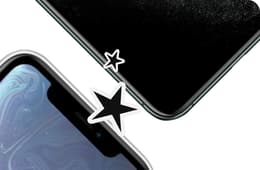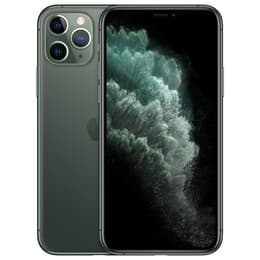
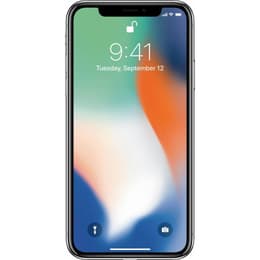

iPhone 11 Pro • Unlocked vs iPhone X • Unlocked

iPhone 11 Pro • Unlocked
Starting at

Refurbished price:$212.00

Versus $749.00 new

See options
iPhone X • Unlocked
iPhone X • Unlocked
Starting at

Refurbished price:$156.00

Versus $599.00 new

See options

Ratings

The iPhone 11 Pro, released in September 2019, and the iPhone X, launched in November 2017, represent different generations of Apple's premium smartphone line. While both devices feature an OLED display and Face ID, the iPhone 11 Pro introduced significant advancements in camera technology and processing power. Both run on Apple's iOS operating system, offering a consistent user experience, though their software support timelines differ due to their respective release dates.

Scores

Durability

The practical lifespan of a smartphone is often influenced by its release timeline, software support, and physical durability features.

  • Release Timeline and Age: The iPhone 11 Pro was released in September 2019, making it two years newer than the iPhone X, which launched in November 2017. This difference in age directly impacts their remaining software support.
  • OS Support Duration: The iPhone X received its last major iOS update with iOS 16, meaning it no longer receives new major operating system versions as of the iOS 17 release. The iPhone 11 Pro, being newer, is expected to receive major iOS updates for a longer period, typically 5-6 years from its release.
  • Durability Features: Both devices feature a stainless steel frame and glass front and back. The iPhone X has an IP67 rating for water and dust resistance, meaning it can withstand immersion in up to 1 meter of water for 30 minutes. The iPhone 11 Pro improves upon this with an IP68 rating, allowing it to be submerged in up to 4 meters of water for 30 minutes.

Release Year

2019

2017

Last OS Compatibility

Yes

No

OS

iOS

iOS

Foldable

No

No

Performance

Performance differences between these two models stem primarily from their internal processing capabilities and battery optimizations.

  • Processor Capabilities: The iPhone 11 Pro is equipped with a newer generation processor, which provides a noticeable increase in speed and efficiency compared to the iPhone X's processor. This translates to faster app loading times, smoother multitasking, and more responsive performance in demanding applications and games.
  • System Responsiveness: Users will experience a more fluid and immediate response across the system on the iPhone 11 Pro, particularly when navigating complex interfaces or switching between multiple active applications. The newer processor also enhances the performance of machine learning tasks, such as those used in camera features and Face ID.
  • Battery Behavior: The iPhone 11 Pro generally offers improved battery endurance compared to the iPhone X. While the iPhone X provided around 10 hours of battery life in web browsing tests, the iPhone 11 Pro was noted to last longer, with some tests showing over 10 hours of usage. This means the iPhone 11 Pro can often last through a full day of moderate to heavy use without needing a recharge, whereas heavy users of the iPhone X might find themselves looking for a charger sooner.

Memory

4 GB

3 GB

Screen quality

Both devices feature OLED displays, but the iPhone 11 Pro offers enhancements in brightness and overall viewing experience.

  • Display Technology and Resolution: Both the iPhone 11 Pro and iPhone X feature a 5.8-inch Super Retina OLED display with a resolution of 2436 x 1125 pixels, resulting in a pixel density of 458 pixels per inch. This provides sharp text and clear images.
  • Brightness Levels: The iPhone 11 Pro's display offers higher typical maximum brightness at 800 nits, with a peak HDR brightness of 1200 nits. In contrast, the iPhone X has a typical maximum brightness of 625 nits. This higher brightness on the iPhone 11 Pro improves visibility in bright outdoor conditions and enhances the viewing experience for HDR content.
  • Viewing Experience: Both displays support True Tone technology, which adjusts the white balance to match ambient light, and wide color (P3) for accurate color reproduction. The iPhone 11 Pro's increased brightness contributes to a more vibrant and immersive viewing experience, especially for media consumption.

Resolution

1125 x 2436

1125 x 2436

Screen type

Super Retina XDR OLED

Super Retina OLED

Audiovisual

The camera system saw substantial upgrades with the iPhone 11 Pro, particularly with the addition of an ultra-wide lens and improved low-light capabilities.

  • Camera System: The iPhone X features a dual 12-megapixel camera system with a wide-angle and a telephoto lens. The iPhone 11 Pro upgrades this to a triple 12-megapixel camera system, adding an ultra-wide lens alongside the wide and telephoto lenses. This provides greater versatility for capturing different types of shots, from expansive landscapes to detailed close-ups.
  • Photography Performance: The iPhone 11 Pro introduced significant improvements in low-light photography with its Night mode, which is not available on the iPhone X. It also features next-generation Smart HDR for better detail in highlights and shadows, and Deep Fusion for enhanced texture and detail in medium to low light. The iPhone X's camera still performs well in good lighting, offering features like Portrait mode and Portrait Lighting.
  • Video Recording Quality: Both devices can record 4K video at up to 60 frames per second. The iPhone 11 Pro offers extended dynamic range for video and improved cinematic video stabilization across all its lenses, providing smoother and more professional-looking footage.

Main camera

12 megapixels

12 megapixels

Front camera

12 megapixels

7 megapixels

Miscellaneous

Beyond core features, several practical elements differentiate the user experience between these two iPhone models.

  • Connectivity Options: Both devices support Gigabit-class LTE for fast cellular data speeds and Wi-Fi 802.11ac. The iPhone 11 Pro includes Wi-Fi 6 (802.11ax) for potentially faster and more efficient wireless connections when paired with compatible routers. Both also support Bluetooth 5.0.
  • Biometric Authentication: Both the iPhone 11 Pro and iPhone X rely on Face ID for secure facial recognition, replacing the Touch ID fingerprint sensor found on earlier models.
  • Weight and Dimensions: The iPhone 11 Pro weighs 188 grams and measures 144 x 71.4 x 8.1 mm. The iPhone X has very similar dimensions and weight, at 174 grams and 143.6 x 70.9 x 7.7 mm. The slight differences are generally not noticeable in everyday handling.
  • Charging: Both support wireless charging and fast charging. The iPhone 11 Pro was the first iPhone to ship with an 18W fast charger in the box, allowing for quicker recharges.

Weight

7 oz

6 oz

Screen size (inches)

5.8

5.8

Network

LTE

LTE

SIM card

Physical SIM + eSIM

Physical SIM

Carrier compatibility

Unlocked

Unlocked

Connector

Lightning

Lightning

The iPhone 11 Pro and iPhone X cater to users with varying priorities, reflecting their different release timelines and technological advancements. Users often praise the iPhone 11 Pro for its significantly improved camera system, particularly the versatility of the ultra-wide lens and the enhanced low-light performance with Night mode. Its longer battery life and more powerful processor are also frequently highlighted as key benefits for those who demand more from their device throughout the day. Some users, however, noted the design similarities to previous models.

The iPhone X, while older, is still appreciated for its pioneering all-screen design and Face ID, which were revolutionary at its launch. Its OLED display continues to offer a good viewing experience, and its performance remains adequate for many everyday tasks. Criticisms often revolve around its more limited software support timeline and battery life compared to newer models, which can be a concern for heavy users.

For users prioritizing cutting-edge camera capabilities, extended software support, and robust performance for demanding applications, the iPhone 11 Pro presents a more suitable option. Its enhanced durability and brighter display also contribute to a more modern user experience. Conversely, individuals seeking a device that still offers a premium feel and reliable performance for general use, and who are less concerned with the latest camera features or prolonged software updates, may find the iPhone X to be a practical choice. Opting for a quality-assured refurbished option for either model can provide an eco-friendly alternative, extending the life cycle of these devices.

See all articles

Our recent comparisons