
iPhones
Compare models
Differences at a glance
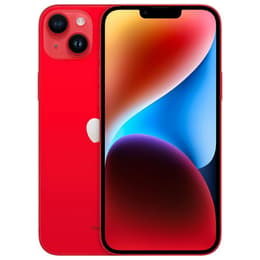
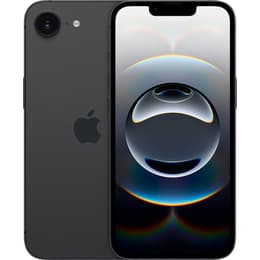
The iPhone 14 Plus, released in October 2022, and the iPhone 16e, launched in February 2025, represent different approaches within Apple's smartphone lineup. While the iPhone 14 Plus offers a larger display and extended battery life from an earlier generation, the iPhone 16e, positioned as an entry-level model, brings a more recent processor and updated camera technology in a more compact form factor. Both devices operate on Apple's iOS ecosystem, ensuring a consistent software experience, though the 16e benefits from a newer starting point for software updates.
Color
Storage
When considering the practical lifespan of these devices, several factors come into play, including their release timelines, operating system support, and physical durability.
Release Year
OS
Foldable
Performance is a key differentiator, with the newer iPhone 16e benefiting from a more advanced internal architecture compared to the iPhone 14 Plus.
Both devices offer high-quality displays, but there are distinctions in size and some underlying technologies that impact the viewing experience.
Resolution
Screen type
The camera systems on both iPhones are designed to capture high-quality images and videos, but they differ in their configurations and capabilities.
Main camera
Front camera
Beyond core performance and display, several practical elements contribute to the overall user experience of these iPhones.
Weight
Screen size (inches)
Network
SIM card
Carrier compatibility
Connector
The iPhone 14 Plus and iPhone 16e cater to different user preferences, primarily distinguished by their display size, processing power, and release timelines. The iPhone 14 Plus is frequently praised by users for its exceptional battery life, often cited as one of the best in an iPhone, and its large, immersive display. Some common criticisms for the 14 Plus include its 60Hz display, which some users find less fluid compared to higher refresh rate screens on other devices, and the absence of a telephoto camera.
The iPhone 16e, despite its short retail lifespan, is noted for bringing a more modern processor and an updated camera system to an entry-level iPhone. Users appreciate its inclusion of the A18 chip and Apple Intelligence support, offering a more future-proof experience. Its adoption of USB-C is also a welcome change for many. However, some users might find its 6.1-inch display smaller than the 14 Plus, and it retains the notch design rather than the Dynamic Island found on other iPhone 16 models.
Users prioritizing a larger screen and extended battery life for media consumption and general use may find the iPhone 14 Plus well-suited to their needs. Conversely, individuals seeking the latest processing power, longer software support, and a more compact form factor with modern connectivity like USB-C will likely lean towards the iPhone 16e. Both devices offer a quality Apple experience, and choosing between them often comes down to whether a larger display and battery are preferred over the newer internal components and features of a more recent, albeit smaller, model. For those considering a quality-assured refurbished option, both models are available, offering an eco-friendly alternative to new purchases.