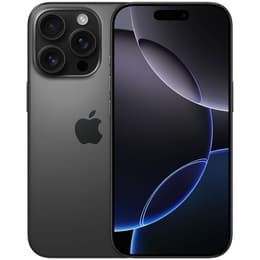

iPhone 14 Pro Max • Unlocked vs iPhone 16 Pro • Unlocked

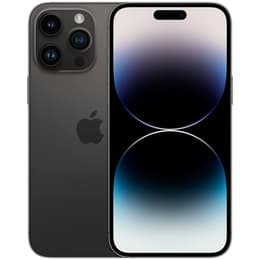
iPhone 14 Pro Max • Unlocked
Starting at

Refurbished price:$414.99

Versus $1,099.00 new

See options
iPhone 16 Pro • Unlocked
Starting at

Refurbished price:$621.98

Versus $999.00 new

See options

Ratings

The iPhone 14 Pro Max, released in September 2022, and the iPhone 16 Pro, launched in September 2024, represent two distinct generations of Apple's professional-grade smartphones. While both devices offer premium experiences within the iOS ecosystem, the iPhone 16 Pro introduces advancements in processing power, camera capabilities, and display technology, alongside a more compact form factor compared to the 14 Pro Max.

Scores

Durability

Evaluating the practical lifespan of these devices involves considering their release timelines, software support, and physical durability.

  • Release Timeline: The iPhone 14 Pro Max was released in September 2022, making it two years older than the iPhone 16 Pro, which launched in September 2024. This two-year difference directly impacts the duration of future software updates and overall practical longevity.
  • Software Longevity: The iPhone 16 Pro, being the newer device, is expected to receive major iOS updates for a longer period, likely extending its software support by at least two additional years compared to the iPhone 14 Pro Max. This means the 16 Pro will benefit from new features, security patches, and performance optimizations for a more extended timeframe.
  • Physical Durability: Both models feature robust construction with Ceramic Shield front covers and IP68 ratings for water and dust resistance, indicating a high level of protection against everyday elements. The iPhone 14 Pro Max utilizes a stainless steel frame, while the iPhone 16 Pro features a lighter yet durable titanium frame.

Release Year

2022

2024

Last OS Compatibility

Yes

Yes

Foldable

No

No

Performance

Performance is a key area where newer generations typically show significant improvements, impacting how smoothly applications run and how efficiently tasks are handled.

  • Processing Power: The iPhone 14 Pro Max is powered by a capable processor that handles demanding applications, multitasking, and graphics-intensive games with ease. The iPhone 16 Pro, however, features a newer, more advanced processor built on a more efficient manufacturing process. This newer chip offers enhanced CPU and GPU speeds, along with a significantly upgraded Neural Engine designed for more powerful artificial intelligence and machine learning tasks.
  • System Responsiveness: Users of the iPhone 16 Pro will likely experience faster app loading times, smoother transitions between applications, and more efficient processing of complex operations, especially those leveraging AI capabilities. The increased memory bandwidth in the 16 Pro also contributes to improved multitasking performance.
  • Battery Behavior: The iPhone 14 Pro Max is known for its extended battery life, often lasting a full day or more for many users, with up to 29 hours of video playback. The iPhone 16 Pro is expected to offer improved battery efficiency and a larger battery capacity compared to its direct predecessor (the 15 Pro), leading to longer usage times and potentially faster wired and wireless charging capabilities.

Memory (GB)

6 GB

8 GB

Screen quality

Both devices offer high-quality displays, but the newer model brings subtle refinements and a different form factor.

  • Display Technology and Size: The iPhone 14 Pro Max features a 6.7-inch Super Retina XDR OLED display, providing deep blacks, vibrant colors, and excellent contrast. The iPhone 16 Pro, while still a 'Pro' model, has a slightly smaller 6.3-inch Super Retina XDR OLED display. Both displays incorporate ProMotion technology, offering adaptive refresh rates up to 120Hz for smooth scrolling and responsive interactions.
  • Brightness and Clarity: Both models deliver impressive brightness levels, with typical maximum brightness around 1000 nits, peak HDR brightness of 1600 nits, and an outdoor peak brightness of 2000 nits, ensuring good visibility even in bright sunlight. The resolution on both devices results in a sharp pixel density of approximately 460 pixels per inch, providing clear and detailed visuals.
  • Design and Features: Both phones feature the Dynamic Island, which intelligently integrates alerts and background activities. The iPhone 16 Pro introduces thinner display bezels, maximizing the screen-to-body ratio for a more immersive viewing experience within its slightly more compact frame.

Resolution

1290 x 2796

1206 x 2622

Screen type

LTPO Super Retina XDR OLED

LTPO Super Retina XDR OLED

Audiovisual

The camera systems on both iPhones are highly capable, but the iPhone 16 Pro benefits from generational advancements and feature parity with larger Pro Max models.

  • Main Camera System: The iPhone 14 Pro Max boasts a versatile triple-camera setup, including a 48MP Main sensor, a 12MP Ultra Wide, and a 12MP Telephoto lens with 3x optical zoom. The iPhone 16 Pro also features a triple-camera system, retaining a 48MP Main sensor but upgrading its Ultra Wide camera to 48MP, which can capture more detail and perform better in low-light conditions.
  • Zoom Capabilities: The iPhone 14 Pro Max offers 3x optical zoom. The iPhone 16 Pro includes a 5x optical telephoto zoom lens, a feature previously exclusive to the larger Pro Max models in earlier generations, providing greater reach for distant subjects.
  • Video and Audio: Both devices excel in video recording, offering features like Cinematic mode and Action mode for stabilized footage. The iPhone 16 Pro is expected to further refine video processing and may include enhanced microphone quality for clearer audio capture, along with a new dedicated Capture button for more intuitive photo and video taking.

Main camera

48 megapixels

48 megapixels

Front camera

12 megapixels

12 megapixels

Miscellaneous

Beyond core features, several practical elements differentiate these two iPhone models, influencing daily usability and future compatibility.

  • Connectivity Standards: The iPhone 14 Pro Max supports 5G cellular connectivity and Wi-Fi 6 for wireless networking. The iPhone 16 Pro upgrades to Wi-Fi 7, offering potentially faster and more reliable wireless connections, especially in compatible network environments. Both devices support modern Bluetooth standards.
  • Physical Ports: The iPhone 14 Pro Max utilizes Apple's proprietary Lightning port for charging and data transfer. The iPhone 16 Pro transitions to a USB-C port, aligning with broader industry standards and offering greater compatibility with accessories and faster data transfer speeds.
  • Design and Handling: The iPhone 14 Pro Max is a larger and heavier device, weighing 240 grams with dimensions of 160.7 x 77.6 x 7.85 mm. The iPhone 16 Pro is more compact and lighter at 199 grams, with dimensions of 149.6 x 71.5 x 8.25 mm, making it potentially more comfortable for one-handed use and pocketability. The 16 Pro also features a new programmable Capture button.

Weight

8 oz

7030 oz

Screen size (inches)

6.7

6.3

Network

5G

5G

SIM card

eSIM

eSIM

Carrier compatibility

Unlocked

Unlocked

Connector

Lightning

USB-C (USB 3)

Choosing between the iPhone 14 Pro Max and the iPhone 16 Pro depends largely on individual priorities regarding size, cutting-edge features, and long-term software support. The iPhone 14 Pro Max is frequently praised by users for its expansive display and exceptional battery life, often cited as a device that comfortably lasts through heavy usage. Some users, however, find its larger size and weight to be a consideration for one-handed operation or pocketability.

The iPhone 16 Pro, on the other hand, is generally lauded for its advanced processing capabilities, particularly its enhanced AI features, and its significantly upgraded camera system, including the 5x telephoto zoom now available in a more manageable form factor. Users appreciate the introduction of Wi-Fi 7 and the shift to USB-C for broader compatibility. Some discussions around the 16 Pro focus on its slightly increased thickness compared to its direct predecessor, though it remains a more compact device than the 14 Pro Max.

Users prioritizing a larger screen and maximum battery endurance might find the iPhone 14 Pro Max well-suited to their needs. Conversely, those who value the latest advancements in processing power, superior camera versatility, faster connectivity, and a more compact design will likely lean towards the iPhone 16 Pro. Both devices offer a premium smartphone experience, and for those considering a quality-assured refurbished option, both models provide an eco-friendly alternative to purchasing new.


See all articles

Our recent comparisons