Compare models
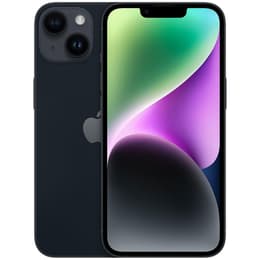
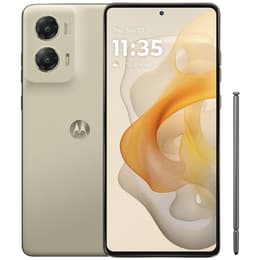
iPhone 14 • Locked T-Mobile vs Motorola Moto G Stylus 5G (2024) • Unlocked
- 1-year warranty
- Free standard shipping
- Free 30-day returns
Differences at a glance
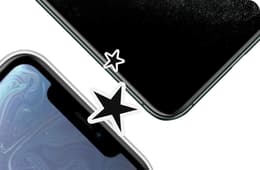
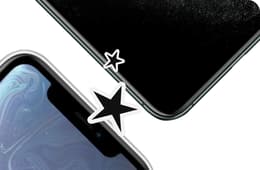
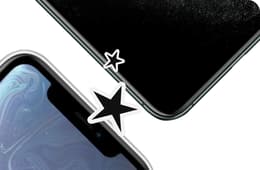
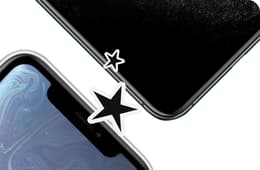
The iPhone 14 (2022) and the Motorola Moto G Stylus 5G (2024) represent two distinct approaches to modern smartphone design, pairing different operating systems with unique hardware philosophies. The iPhone 14 operates on Apple's streamlined iOS ecosystem, while the Motorola device runs on Android and features a built-in stylus. These two smartphones cater to users looking for either a compact, tightly integrated ecosystem device or a versatile media and productivity tool with expanded input options.
Available Models
Color
Storage
Scores
Durability
Both devices offer distinct software lifespans and hardware durability features that influence their long-term viability as daily drivers.
- Software Support: The iPhone 14 benefits from Apple's extended update schedule, receiving major operating system upgrades for several years. The Motorola Moto G Stylus 5G (2024) follows typical mid-range Android support windows with targeted security updates.
- Build and Repair: The iPhone 14 features glass construction protected by ceramic shielding and a sturdy aluminum frame alongside water resistance. The Motorola device utilizes a vegan leather back finish and water-repellent design elements, paired with standard consumer repairability options.
- Expected Lifespan: Users can expect both handsets to maintain reliable performance over multi-year ownership cycles, provided battery health is properly maintained through standard usage.
Release Year
2022
2024
Last OS Compatibility
Yes
Yes
OS
iOS
Android
Foldable
No
No
Performance
Performance characteristics differ across both hardware profiles, affecting app loading speeds, multitasking capabilities, and energy efficiency during everyday use.
- Multitasking and Speed: Both devices handle daily tasks, web browsing, and common applications smoothly, supported by sufficient system memory to keep background processes active without noticeable stutter.
- Storage Configurations: The iPhone 14 offers multiple tier choices starting from standard baseline capacities, whereas the Motorola device includes expanded onboard storage with physical card slot expansion support.
- Battery Behavior: The Motorola device incorporates a larger battery capacity that comfortably powers extended use, while the iPhone 14 relies on software optimization to manage everyday power consumption efficiently across standard daily workflows.
Screen quality
Display characteristics vary significantly in size, refresh rate technology, and visual presentation across both models.
- Display Technology: The iPhone 14 features a sharp OLED panel with deep contrast levels, while the Motorola device utilizes a fluid pOLED screen supporting vibrant color reproduction.
- Refresh Rate: The Motorola model supports a high refresh rate for smoother scrolling and navigation, whereas the iPhone 14 operates at a standard refresh rate.
- Brightness and Usability: Both screens reach high peak brightness levels, ensuring legibility under bright outdoor sunlight conditions.
Resolution
1170 x 2532
1080 x 2400
Screen type
Super Retina XDR OLED
P-OLED
Audiovisual
Media capture capabilities and audio output systems are tailored to different kinds of content creators and casual consumers.
- Camera Systems: The iPhone 14 relies on a dual-lens rear setup optimized for reliable point-and-shoot clarity in varied lighting. The Motorola device features a high-resolution main sensor equipped with optical image stabilization alongside an ultra-wide lens that doubles for macro photography.
- Video and Audio: Video recording on the iPhone 14 emphasizes stabilization and cinematic depth adjustments, whereas audio playback varies between the single-speaker setup on the iPhone and the stereo speakers tuned with spatial enhancements on the Motorola model.
- Selfie Performance: Both front-facing cameras capture clear detail for video calls and self-portraits, utilizing software enhancements to balance exposure in uneven lighting.
Main camera
12 megapixels
50 megapixels
Front camera
12 megapixels
32 megapixels
Miscellaneous
Practical everyday features, connectivity options, and physical handling traits define the usability of each device outside of core specifications.
- Connectivity and Ports: The iPhone 14 utilizes a proprietary port connection and supports modern wireless bands, while the Motorola device includes a traditional headphone jack alongside a versatile USB port.
- Input Methods: The Motorola model differentiates itself with an integrated physical stylus for precise note-taking and photo editing, whereas the iPhone relies entirely on touch and voice commands.
- Handling and Form Factor: The iPhone 14 provides a lighter, more compact footprint in the hand, while the Motorola model offers a larger screen workspace complemented by a textured tactile grip.
Weight
6 oz
7 oz
Width
2.82 in
2.94 in
Height
5.78 in
6.4 in
Depth
0.31 in
0.33 in
Screen size (inches)
6.1
6.7
Network
5G
5G
SIM card
eSIM
Physical SIM
Carrier compatibility
T-Mobile
Unlocked
Connector
Lightning
USB-C
What the community thinks
Choosing between the iPhone 14 and the Motorola Moto G Stylus 5G (2024) depends entirely on personal workflow preferences and operating system familiarity. Users prioritizing a compact form factor, long-term software support continuity, and tight ecosystem integration will find the iPhone 14 well-suited to their needs. Conversely, users who value multitasking versatility, expanded physical storage options, built-in stylus input for productivity, and media consumption on a larger display may lean toward the Motorola device. Selecting a quality-assured refurbished option through platforms like Back Market provides an eco-friendly, budget-conscious way to acquire either model while supporting sustainable electronics consumption.