Compare models
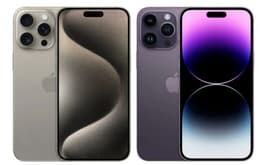
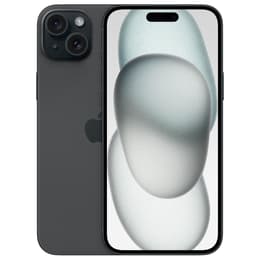
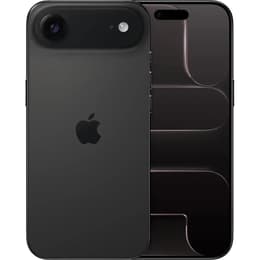
iPhone 15 Plus • Unlocked vs iPhone Air • Unlocked
- 1-year warranty
- Free standard shipping
- Free 30-day returns
Differences at a glance
The iPhone 15 Plus (2023) and the iPhone Air (2025) represent two distinct approaches to large-screen smartphone design within Apple's ecosystem. While the iPhone 15 Plus focuses on traditional large-format utility with an aluminum and color-infused glass body, the iPhone Air introduces a radically thin titanium profile and a high-refresh-rate display. Both models run the iOS operating system and offer seamless device integration, but they cater to very different physical preferences and capability needs.
Available Models
Color
Storage (GB)
Scores
Durability
When evaluating long-term viability, both devices benefit from extended software support timelines, though their release years introduce different milestones for hardware wear and update longevity.
- Release timeline and support: The iPhone 15 Plus launched in 2023, while the iPhone Air arrived in 2025, giving the newer model an extended window for future software updates. Both receive multi-year operating system support matching standard industry lifecycles.
- Repairability and build: Both models utilize robust outer shells featuring reinforced glass protection, scoring similarly in structural resilience. Users seeking maximum software longevity from the purchase date will find the newer release timeline of the iPhone Air advantageous.
Release Year
2023
2025
Last OS Compatibility
Yes
Yes
OS
iOS
iOS
Foldable
No
No
Performance
Underneath the exterior, these devices handle daily multitasking, app loading, and processing loads through different hardware generations optimized for efficiency and responsiveness.
- System responsiveness: Both devices load everyday applications, stream media, and handle web browsing with fluid speed. The iPhone Air features a more advanced internal processor and higher memory capacity, resulting in smoother performance during heavy multitasking and demanding software tasks.
- Battery behavior: The iPhone 15 Plus provides substantial battery capacity designed to comfortably clear a full day of heavy mixed use. The iPhone Air balances its ultra-slim profile with power-efficient internal components to maintain dependable all-day battery performance under typical daily routines.
Screen quality
Visual output and display presentation differ notably in smoothness and peak luminescence between these two large-screen variants.
- Display technology and refresh rates: The iPhone 15 Plus features a standard 60Hz OLED display with vibrant color reproduction and deep contrast. In contrast, the iPhone Air incorporates an advanced adaptive refresh rate panel scaling up to 120Hz for smoother scrolling and enhanced visual fluidity.
- Outdoor visibility: Both models offer high-resolution Super Retina XDR screens, but the iPhone Air reaches higher peak outdoor brightness levels, improving legibility under direct sunlight.
Resolution
1290 x 2796
2736x1260
Screen type
Super Retina XDR OLED
Super Retina XDR
Audiovisual
Photography and media consumption hardware cater to straightforward everyday capture rather than complex multi-lens arrays.
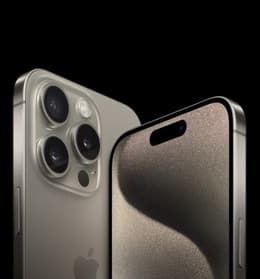
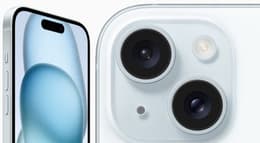
- Camera systems: The iPhone 15 Plus utilizes a dual-lens setup including a primary high-resolution sensor and an ultra-wide option. The iPhone Air streamlines its physical layout by implementing a single high-output primary rear sensor supported by advanced computational photography features.
- Media and audio output: Both devices deliver clear stereo sound during media playback and crystal-clear microphone performance for calls, though neither includes a physical headphone jack.
Main camera
48 megapixels
48 megapixels
Front camera
12 megapixels
18 megapixels
Miscellaneous
Physical dimensions, weight distribution, and connectivity standards dictate how each device feels and functions in everyday handling.
- Handling and dimensions: The iPhone 15 Plus features a traditional thicker profile weighing around 201 grams. The iPhone Air prioritizes portability through an exceptionally slender 5.6 mm titanium build weighing roughly 165 grams.
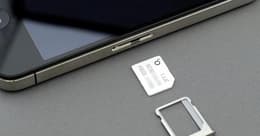
- Ports and connectivity: Both models utilize universal USB-C ports for charging and data transfer alongside modern 5G and Wi-Fi networking standards, while relying entirely on digital eSIM configuration in many regions.
Weight
201 oz
185 oz
Screen size (inches)
6.7
6.5
Network
5G
5G
SIM card
eSIM
eSIM
Carrier compatibility
Unlocked
Unlocked
Connector
USB-C (USB 2)
USB-C
What the community thinks
User community discussions highlight distinct preferences for each device based on physical design and functional priorities. Owners of the iPhone 15 Plus frequently praise its dependable battery life and comfortable handling, though some note the standard refresh rate feels dated compared to modern alternatives. Conversely, users gravitate toward the iPhone Air for its exceptionally lightweight, ultra-thin form factor and fluid display motion, while noting that its streamlined single-lens camera requires relying on digital crop for zoom flexibility. Choosing a quality-assured refurbished option from Back Market allows consumers to acquire these devices as sustainable, eco-friendly choices without compromising on hardware reliability.
Users prioritizing lightweight portability, modern display fluidity, and advanced processing headroom will find the iPhone Air well-suited to their daily routines. Meanwhile, users focusing on traditional ergonomics and proven all-day power may lean toward the iPhone 15 Plus. Evaluating personal preferences regarding physical weight, screen smoothness, and camera versatility remains the best approach to determining the right device fit.