'%3e%3cpath%20fill='%23f0f0f0'%20d='M40%200H0v26.667h40V0'/%3e%3cpath%20fill='%23d80027'%20d='M40%2024.5v2.1H0v-2.1h40m0-2.15H0v-2.1h40v2.1m0-4H0v-2.1h40v2.1m0-4H0v-2.1h40v2.1m0-4.25H0V8h40v2.1m0-4H0V4h40v2.1m0-4H0V0h40v2.1'/%3e%3cpath%20fill='%232e52b2'%20d='M20%200H0v14.36h20V0'/%3e%3cpath%20fill='%23f0f0f0'%20d='M1.927%2012.964H2.5l-.464.337.178.545L1.75%2013.51l-.464.336.178-.545L1%2012.964h.573L1.75%2012.42l.177.545m3.172%200h.573l-.464.337.177.545-.463-.336-.464.336.178-.545-.464-.337h.573l.177-.545.177.545m3.172%200h.573L8.38%2013.301l.177.545-.463-.336-.464.336.177-.545-.463-.337h.572l.178-.545.177.545m3.171%200h.574l-.464.337.177.545-.463-.336-.464.336.177-.545-.463-.337h.572l.178-.545.176.545m3.485%200H15.5l-.464.337.178.545-.464-.336-.464.336.178-.545L14%2012.964h.573l.177-.545.177.545m3.5%200H19l-.464.337.178.545-.464-.336-.464.336.178-.545-.464-.337h.573l.177-.545.177.545m-15-1.406H4l-.464.337.178.545-.464-.337-.464.337.178-.545L2.5%2011.558h.573l.177-.545.177.545m3.172%200h.573l-.464.337.177.545-.463-.337-.464.337.178-.545-.464-.337h.573l.177-.545.177.545m3.172%200h.573L9.88%2011.895l.177.545-.463-.337L9.13%2012.44l.177-.545-.463-.337h.572l.178-.545.177.545m3.171%200h.574l-.464.337.177.545-.463-.337-.464.337.177-.545-.463-.337h.572l.178-.545.176.545m3.485%200H17l-.464.337.178.545-.464-.337-.464.337.178-.545-.464-.337h.573l.177-.545.177.545m-14.5-1.57H2.5l-.464.337.178.545-.464-.337-.464.337.178-.545L1%209.988h.573L1.75%209.443l.177.545m3.172%200h.573l-.464.337.177.545-.463-.337-.464.337.178-.545-.464-.337h.573l.177-.545.177.545m3.172%200h.573L8.38%2010.325l.177.545-.463-.337L7.63%2010.87l.177-.545-.463-.337h.572l.178-.545.177.545m3.171%200h.574l-.464.337.177.545-.463-.337-.464.337.177-.545-.463-.337h.572l.178-.545.176.545m3.485%200H15.5l-.464.337.178.545-.464-.337-.464.337.178-.545L14%209.988h.573l.177-.545.177.545m3.5%200H19l-.464.337.178.545-.464-.337-.464.337.178-.545L17.5%209.988h.573l.177-.545.177.545m-15-1.43H4L3.536%208.895%203.714%209.44%203.25%209.103%202.786%209.44l.178-.545L2.5%208.558h.573L3.25%208.013l.177.545m3.172%200h.573L6.708%208.895%206.885%209.44%206.422%209.103%205.958%209.44l.178-.545-.464-.337h.573l.177-.545.177.545m3.172%200h.573L9.88%208.895l.177.545-.463-.337L9.13%209.44l.177-.545-.463-.337h.572l.178-.545.177.545m3.171%200h.574l-.464.337.177.545-.463-.337-.464.337.177-.545-.463-.337h.572l.178-.545.176.545m3.485%200H17l-.464.337.178.545-.464-.337-.464.337.178-.545L15.5%208.558h.573l.177-.545.177.545m-14.5-1.547H2.5L2.036%207.348l.178.545L1.75%207.556%201.286%207.893l.178-.545L1%207.011h.573L1.75%206.466l.177.545m3.172%200h.573L5.208%207.348l.177.545-.463-.337-.464.337.178-.545-.464-.337h.573l.177-.545.177.545m3.172%200h.573L8.38%207.348l.177.545-.463-.337L7.63%207.893l.177-.545-.463-.337h.572l.178-.545.177.545m3.171%200h.574l-.464.337.177.545-.463-.337-.464.337.177-.545-.463-.337h.572l.178-.545.176.545m3.485%200H15.5l-.464.337.178.545-.464-.337-.464.337.178-.545L14%207.011h.573l.177-.545.177.545m3.5%200H19l-.464.337.178.545-.464-.337-.464.337.178-.545L17.5%207.011h.573l.177-.545.177.545m-15-1.453H4L3.536%205.895%203.714%206.44%203.25%206.103%202.786%206.44l.178-.545L2.5%205.558h.573L3.25%205.013l.177.545m3.172%200h.573L6.708%205.895%206.885%206.44%206.422%206.103%205.958%206.44l.178-.545-.464-.337h.573l.177-.545.177.545m3.172%200h.573L9.88%205.895l.177.545-.463-.337L9.13%206.44l.177-.545-.463-.337h.572l.178-.545.177.545m3.171%200h.574l-.464.337.177.545-.463-.337-.464.337.177-.545-.463-.337h.572l.178-.545.176.545m3.485%200H17l-.464.337.178.545-.464-.337-.464.337.178-.545L15.5%205.558h.573l.177-.545.177.545m-14.5-1.523H2.5L2.036%204.37l.178.545L1.75%204.58%201.286%204.916l.178-.545L1%204.035h.573L1.75%203.49l.177.545m3.172%200h.573L5.208%204.37l.177.545L4.922%204.58%204.458%204.916l.178-.545-.464-.336h.573L4.922%203.49l.177.545m3.172%200h.573L8.38%204.37l.177.545L8.094%204.58%207.63%204.916l.177-.545-.463-.336h.572L8.094%203.49%208.27%204.035m3.171%200h.574L11.552%204.37l.177.545-.463-.337-.464.337.177-.545-.463-.336h.572l.178-.545.176.545m3.485%200H15.5L15.036%204.37l.178.545L14.75%204.58l-.464.337.178-.545L14%204.035h.573L14.75%203.49l.177.545m3.5%200H19L18.536%204.37l.178.545L18.25%204.58l-.464.337.178-.545L17.5%204.035h.573L18.25%203.49l.177.545m-15-1.477H4L3.536%202.895%203.714%203.44%203.25%203.103%202.786%203.44l.178-.545L2.5%202.558h.573L3.25%202.013l.177.545m3.172%200h.573L6.708%202.895%206.885%203.44%206.422%203.103%205.958%203.44l.178-.545-.464-.337h.573l.177-.545.177.545m3.172%200h.573L9.88%202.895l.177.545-.463-.337L9.13%203.44l.177-.545-.463-.337h.572l.178-.545.177.545m3.171%200h.574l-.464.337.177.545-.463-.337-.464.337.177-.545-.463-.337h.572l.178-.545.176.545m3.485%200H17l-.464.337.178.545-.464-.337-.464.337.178-.545L15.5%202.558h.573l.177-.545.177.545m-14.5-1.5H2.5L2.036%201.395%202.214%201.94%201.75%201.603%201.286%201.94l.178-.545L1%201.058h.573L1.75.513l.177.545m3.172%200h.573L5.208%201.395%205.385%201.94%204.922%201.603%204.458%201.94l.178-.545-.464-.337h.573l.177-.545.177.545m3.172%200h.573L8.38%201.395%208.557%201.94%208.094%201.603%207.63%201.94l.177-.545-.463-.337h.572l.178-.545.177.545m3.171%200h.574l-.464.337.177.545-.463-.337-.464.337.177-.545-.463-.337h.572l.178-.545.176.545m3.485%200H15.5l-.464.337.178.545-.464-.337-.464.337.178-.545L14%201.058h.573l.177-.545.177.545m3.5%200H19l-.464.337.178.545-.464-.337-.464.337.178-.545L17.5%201.058h.573l.177-.545.177.545'/%3e%3c/g%3e%3cdefs%3e%3cclipPath%20id='country-flag-us-a'%3e%3cpath%20fill='%23fff'%20d='M0%200h40v26.67H0z'/%3e%3c/clipPath%3e%3c/defs%3e%3c/svg%3e)
'%3e%3cpath%20fill='%23f0f0f0'%20d='M40%200H0v26.666h40V0'/%3e%3cpath%20fill='%23d80027'%20d='M40%200H0v8.889h40V0m0%2017.778H0v8.888h40v-8.888'/%3e%3c/g%3e%3cdefs%3e%3cclipPath%20id='country-flag-at-a'%3e%3cpath%20fill='%23fff'%20d='M0%200h40v26.67H0z'/%3e%3c/clipPath%3e%3c/defs%3e%3c/svg%3e)
'%3e%3cpath%20fill='%2310338c'%20d='M0%200h40v26.67H0V0'/%3e%3cpath%20fill='%23fff'%20d='m9.899%2016.971.856%201.828%201.922-.455-.856%201.82%201.549%201.261-1.93.447.008%202.028-1.55-1.27-1.54%201.27.008-2.028-1.93-.447%201.548-1.26-.863-1.82%201.93.454.848-1.828m20.226%203.552.404.87.919-.215-.413.87.74.599-.919.207v.974l-.732-.607-.739.607.008-.974-.918-.207.739-.599-.412-.87.918.215.405-.87M25.097%209.986l.405.87.918-.215-.412.87.74.599-.92.215v.966l-.73-.607-.74.607.008-.966-.926-.215.739-.599-.412-.87.918.215.412-.87m5.028-7.2.404.87.919-.215-.413.87.74.598-.919.216V6.09l-.732-.607-.739.607.008-.966-.918-.216.739-.598-.412-.87.918.215.405-.87m4.552%205.245.405.87L36%208.685l-.413.87.74.599-.918.207v.974l-.732-.606-.74.606v-.974l-.918-.207.74-.599-.413-.87.919.216.412-.87m-2.91%205.26.319%201.014h1.035l-.84.623.326%201.013-.84-.63-.84.63.318-1.014-.833-.622h1.036l.319-1.014M19.922%200v2.443l-3.51%202.003h3.51V9.18h-4.599l4.6%202.618v1.828h-2.079l-5.72-3.264v3.264H7.799v-3.88l-6.802%203.88H0v-2.442L3.518%209.18H0V4.446h4.6L0%201.82V0h2.078l5.72%203.257V0h4.326v3.88L18.935%200h.988'/%3e%3cpath%20fill='%23d80027'%20d='M11.206%200h-2.49v5.532H0v2.554h8.716v5.54h2.49v-5.54h8.716V5.532h-8.716V0'/%3e%3cpath%20fill='%230052b4'%20d='m12.125%209.18%207.797%204.446v-1.26L14.335%209.18h-2.21'/%3e%3cpath%20fill='%23fff'%20d='m12.125%209.18%207.797%204.446v-1.26L14.335%209.18h-2.21'/%3e%3cpath%20fill='%23d80027'%20d='m12.125%209.18%207.797%204.446v-1.26L14.335%209.18h-2.21m-6.53%200L0%2012.365v1.261L7.798%209.18H5.595'/%3e%3cpath%20fill='%230052b4'%20d='M7.798%204.446%200%200v1.253l5.595%203.193h2.203'/%3e%3cpath%20fill='%23fff'%20d='M7.798%204.446%200%200v1.253l5.595%203.193h2.203'/%3e%3cpath%20fill='%23d80027'%20d='M7.798%204.446%200%200v1.253l5.595%203.193h2.203m6.537%200%205.587-3.193V0l-7.798%204.446h2.21'/%3e%3c/g%3e%3cdefs%3e%3cclipPath%20id='country-flag-au-a'%3e%3cpath%20fill='%23fff'%20d='M0%200h40v26.67H0z'/%3e%3c/clipPath%3e%3c/defs%3e%3c/svg%3e)
'%3e%3cpath%20fill='%23ffda44'%20d='M40%200H0v26.67h40V0'/%3e%3cpath%20fill='%23000'%20d='M13.333%200H0v26.67h13.333V0'/%3e%3cpath%20fill='%23d80027'%20d='M40%200H26.667v26.67H40V0'/%3e%3c/g%3e%3cdefs%3e%3cclipPath%20id='country-flag-be-a'%3e%3cpath%20fill='%23fff'%20d='M0%200h40v26.67H0z'/%3e%3c/clipPath%3e%3c/defs%3e%3c/svg%3e)
'%3e%3cpath%20fill='%23000'%20d='M40%200H0v8.89h40V0'/%3e%3cpath%20fill='%23d80027'%20d='M40%208.89H0v8.89h40V8.89'/%3e%3cpath%20fill='%23ffda44'%20d='M40%2017.78H0v8.89h40v-8.89'/%3e%3c/g%3e%3cdefs%3e%3cclipPath%20id='country-flag-de-a'%3e%3cpath%20fill='%23fff'%20d='M0%200h40v26.67H0z'/%3e%3c/clipPath%3e%3c/defs%3e%3c/svg%3e)
'%3e%3cpath%20fill='%23ffda44'%20d='M40%200H0v26.667h40V0'/%3e%3cpath%20fill='%23d80027'%20d='M40%200H0v8.889h40V0m0%2017.777H0v8.89h40v-8.89'/%3e%3c/g%3e%3cdefs%3e%3cclipPath%20id='country-flag-es-a'%3e%3cpath%20fill='%23fff'%20d='M0%200h40v26.67H0z'/%3e%3c/clipPath%3e%3c/defs%3e%3c/svg%3e)
'%3e%3cpath%20fill='%23f0f0f0'%20d='M40%200H0v26.667h40V0'/%3e%3cpath%20fill='%232e52b2'%20d='M40%2011.667V15H14.348v11.667h-3.334V15H0v-3.333h11.014V0h3.334v11.667H40'/%3e%3c/g%3e%3cdefs%3e%3cclipPath%20id='country-flag-fi-a'%3e%3cpath%20fill='%23fff'%20d='M0%200h40v26.67H0z'/%3e%3c/clipPath%3e%3c/defs%3e%3c/svg%3e)
'%3e%3cpath%20fill='%23f0f0f0'%20d='M40%200H0v26.667h40V0'/%3e%3cpath%20fill='%230052b4'%20d='M13.333%200H0v26.667h13.333V0'/%3e%3cpath%20fill='%23d80027'%20d='M40%200H26.667v26.667H40V0'/%3e%3c/g%3e%3cdefs%3e%3cclipPath%20id='country-flag-fr-a'%3e%3cpath%20fill='%23fff'%20d='M0%200h40v26.67H0z'/%3e%3c/clipPath%3e%3c/defs%3e%3c/svg%3e)
'%3e%3cpath%20fill='%23f0f0f0'%20d='M40%200H0v26.667h40V0'/%3e%3cpath%20fill='%23d80027'%20d='M22.5%200h-5v10.833H0v5h17.5v10.833h5V15.833H40v-5H22.5V0'/%3e%3cpath%20fill='%230052b4'%20d='M30.765%2017.97%2040%2023.102v-5.13h-9.235m-6.417-.002L40%2026.667v-2.459l-11.226-6.236h-4.426m11.482%208.694-11.482-6.38v6.38H35.83'/%3e%3cpath%20fill='%23f0f0f0'%20d='M24.348%2017.97%2040%2026.667v-2.459l-11.226-6.236h-4.426'/%3e%3cpath%20fill='%23d80027'%20d='M24.348%2017.97%2040%2026.667v-2.459l-11.226-6.236h-4.426'/%3e%3cpath%20fill='%230052b4'%20d='M7.058%2017.97%200%2021.891v-3.92h7.058m8.594%201.105v7.59H1.992l13.66-7.59'/%3e%3cpath%20fill='%23d80027'%20d='M11.226%2017.97%200%2024.208v2.46l15.652-8.696h-4.426'/%3e%3cpath%20fill='%230052b4'%20d='M9.235%208.696%200%203.565v5.13h9.235m6.417.001L0%200v2.459l11.226%206.237h4.426M4.17%200l11.482%206.38V0H4.17'/%3e%3cpath%20fill='%23f0f0f0'%20d='M15.652%208.696%200%200v2.459l11.226%206.237h4.426'/%3e%3cpath%20fill='%23d80027'%20d='M15.652%208.696%200%200v2.459l11.226%206.237h4.426'/%3e%3cpath%20fill='%230052b4'%20d='M32.942%208.696%2040%204.774v3.922h-7.058M24.348%207.59V0h13.66l-13.66%207.59'/%3e%3cpath%20fill='%23d80027'%20d='M28.774%208.696%2040%202.459V0L24.348%208.696h4.426'/%3e%3c/g%3e%3cdefs%3e%3cclipPath%20id='country-flag-gb-a'%3e%3cpath%20fill='%23fff'%20d='M0%200h40v26.67H0z'/%3e%3c/clipPath%3e%3c/defs%3e%3c/svg%3e)
'%3e%3cpath%20fill='%23f0f0f0'%20d='M40%200H0v26.666h40V0'/%3e%3cpath%20fill='%23338af3'%20d='M40%200H0v3.333h40V0m0%206.667H0V10h40V6.667m0%206.667H0v3.333h40v-3.334M40%2020H0v3.333h40V20'/%3e%3cpath%20fill='%23338af3'%20d='M14.782%200H0v13.334h14.782V0'/%3e%3cpath%20fill='%23f0f0f0'%20d='M14.782%205.186H0v2.962h14.782V5.186'/%3e%3cpath%20fill='%23f0f0f0'%20d='M8.872%200H5.91v13.334h2.962V0'/%3e%3c/g%3e%3cdefs%3e%3cclipPath%20id='country-flag-gr-a'%3e%3cpath%20fill='%23fff'%20d='M0%200h40v26.67H0z'/%3e%3c/clipPath%3e%3c/defs%3e%3c/svg%3e)
'%3e%3cpath%20fill='%23f0f0f0'%20d='M40%200H0v26.666h40V0'/%3e%3cpath%20fill='%236da544'%20d='M13.333%200H0v26.667h13.333V0'/%3e%3cpath%20fill='%23ff9811'%20d='M40%200H26.667v26.667H40V0'/%3e%3c/g%3e%3cdefs%3e%3cclipPath%20id='country-flag-ie-a'%3e%3cpath%20fill='%23fff'%20d='M0%200h40v26.67H0z'/%3e%3c/clipPath%3e%3c/defs%3e%3c/svg%3e)
'%3e%3cpath%20fill='%23f0f0f0'%20d='M26.667%200H0v26.667h40V0H26.667'/%3e%3cpath%20fill='%236da544'%20d='M13.333%200H0v26.667h13.333V0'/%3e%3cpath%20fill='%23d80027'%20d='M40%200H26.667v26.667H40V0'/%3e%3c/g%3e%3cdefs%3e%3cclipPath%20id='country-flag-it-a'%3e%3cpath%20fill='%23fff'%20d='M0%200h40v26.67H0z'/%3e%3c/clipPath%3e%3c/defs%3e%3c/svg%3e)
'%3e%3cpath%20fill='%23f0f0f0'%20fill-rule='evenodd'%20d='M0%20.86h40v26.67H0V.86'%20clip-rule='evenodd'/%3e%3cpath%20fill='%23d80027'%20d='M20%2021.835a8.5%208.5%200%201%200%200-17%208.5%208.5%200%200%200%200%2017'/%3e%3c/g%3e%3cdefs%3e%3cclipPath%20id='country-flag-jp-a'%3e%3cpath%20fill='%23fff'%20d='M0%200h40v26.67H0z'/%3e%3c/clipPath%3e%3c/defs%3e%3c/svg%3e)
'%3e%3cpath%20fill='%23a2001d'%20d='M40%200H0v8.89h40V0'/%3e%3cpath%20fill='%23f0f0f0'%20d='M40%208.89H0v8.89h40V8.89'/%3e%3cpath%20fill='%230052b4'%20d='M40%2017.78H0v8.89h40v-8.89'/%3e%3c/g%3e%3cdefs%3e%3cclipPath%20id='country-flag-nl-a'%3e%3cpath%20fill='%23fff'%20d='M0%200h40v26.67H0z'/%3e%3c/clipPath%3e%3c/defs%3e%3c/svg%3e)
'%3e%3cpath%20fill='%23d80027'%20d='M40%200H0v26.666h40V0'/%3e%3cpath%20fill='%236da544'%20d='M15.363%200v26.666H0V0h15.363'/%3e%3cpath%20fill='%23ffda44'%20d='M15.363%2018.335a5%205%200%201%200%200-10%205%205%200%200%200%200%2010'/%3e%3cpath%20fill='%23d80027'%20d='M12.55%2010.835v3.125a2.813%202.813%200%200%200%205.625%200v-3.125H12.55'/%3e%3cpath%20fill='%23f0f0f0'%20d='M15.362%2014.898a.94.94%200%200%201-.937-.938v-1.25H16.3v1.25a.94.94%200%200%201-.938.938'/%3e%3c/g%3e%3cdefs%3e%3cclipPath%20id='country-flag-pt-a'%3e%3cpath%20fill='%23fff'%20d='M0%200h40v26.67H0z'/%3e%3c/clipPath%3e%3c/defs%3e%3c/svg%3e)
'%3e%3cpath%20fill='%230052b4'%20d='M40%200H0v26.667h40V0'/%3e%3cpath%20fill='%23ffda44'%20d='M15%200h-5v10.833H0v5h10v10.834h5V15.833h25v-5H15V0'/%3e%3c/g%3e%3cdefs%3e%3cclipPath%20id='country-flag-se-a'%3e%3cpath%20fill='%23fff'%20d='M0%200h40v26.67H0z'/%3e%3c/clipPath%3e%3c/defs%3e%3c/svg%3e)
'%3e%3cpath%20fill='%23f0f0f0'%20d='M40%200H0v26.666h40V0'/%3e%3cpath%20fill='%230052b4'%20d='M40%208.696H0v9.275h40V8.696'/%3e%3cpath%20fill='%23d80027'%20d='M40%2017.97H0v8.696h40v-8.695'/%3e%3cpath%20fill='%23f0f0f0'%20d='M10.115%207.538v6.651c0%203.784%204.942%204.943%204.942%204.943S20%2017.972%2020%2014.189V7.538h-9.885'/%3e%3cpath%20fill='%23d80027'%20d='M11.416%207.733v6.402a2.7%202.7%200%200%200%20.283%201.21h6.717a2.7%202.7%200%200%200%20.283-1.21V7.733h-7.283'/%3e%3cpath%20fill='%23f0f0f0'%20d='M17.29%2012.196h-1.675v-1.115h1.116V9.965h-1.116V8.849H14.5v1.116h-1.115v1.116H14.5v1.115h-1.673v1.116H14.5v1.116h1.116v-1.116h1.674v-1.116'/%3e%3cpath%20fill='%230052b4'%20d='M13.221%2016.902a8%208%200%200%200%201.836.83%208%208%200%200%200%201.836-.83q1.09-.685%201.523-1.558a1.94%201.94%200%200%200-1.57-.306%201.953%201.953%200%200%200-3.576%200%201.96%201.96%200%200%200-1.57.306q.433.872%201.521%201.558'/%3e%3c/g%3e%3cdefs%3e%3cclipPath%20id='country-flag-sk-a'%3e%3cpath%20fill='%23fff'%20d='M0%200h40v26.67H0z'/%3e%3c/clipPath%3e%3c/defs%3e%3c/svg%3e)


General

Updated on July 1, 2026
July 1, 2026
24 mins read

Miguel Garza
Sr. Tech Copywriter (US)
If your phone screen goes dark but your phone is still powered on, you’re dealing with a phenomenon often called the black screen of death, which is often caused by hardware, software, or battery issues. The fastest and easiest fix is usually a force restart of your phone, which should restore normal operation within minutes. Before you head to an expensive repair shop, try this simple guide to get your phone working again. It explains why your screen went black while your device is still on and how to fix it.
✨If your phone screen goes dark but the device still appears to be on, the problem is often caused by a software crash, failed update, charging issue, overheating, or display-related hardware fault. Start by charging the device and performing a force restart, then proceed to more advanced troubleshooting steps, such as Safe Mode, Recovery Mode, or a factory reset, if necessary. While some black screen issues require professional repair, many can be resolved at home with the right approach. Understanding the most common causes and solutions can help you quickly get your iPhone or Android phone back up and running.
At Back Market, we help people get more life out of their tech every day. Whether you’re using an iPhone, Samsung Galaxy, Google Pixel, or another smartphone, we’ve seen firsthand how common black screen issues can be, and how often they can be fixed without replacing the device. You can trust this guide because it is based on proven troubleshooting methods used by manufacturers and repair professionals, combined with practical, easy-to-follow tips designed for you, the everyday user. We’ve focused on safe, effective solutions that can help you identify the cause of a black phone screen and get your device working again before considering a repair or replacement.
A black phone screen can be worrying, but it doesn’t always mean damage. It’s often caused by software glitches, charging issues, overheating, or other fixable problems. With the right troubleshooting steps, you can usually get your iPhone or Android working again without repairs. Additionally, regular updates plus good device care can help prevent future issues.
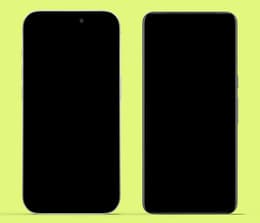
✨The black screen of death occurs when your phone’s display goes black and becomes unusable, even though the device may still be powered on.
The black screen of death is a common smartphone issue affecting both Android and Apple devices. It occurs when the display suddenly goes dark, preventing you from using your phone normally. The screen may be completely black or show only a faint backlight, while the device itself may continue receiving calls, notifications, or other background activity. In some cases, the problem appears without warning, while in others, it may be preceded by symptoms such as freezing, reduced performance, random starts, or frequent software glitches. Depending on the cause of the black screen, the touchscreen, power button, and volume buttons may also stop responding, making it difficult to determine whether the issue is related to the display, software, or hardware.
✨Common signs of a black screen of death include a blank display despite the phone showing signs of life, such as ringing, vibrating, or receiving notifications.
Not every black screen means your phone is completely broken. In fact, symptoms vary depending on the cause. The most common symptoms of a black screen on Androids and iPhones include:
Your phone rings or vibrates, but the display is black
You hear notification sounds and voice assistant responses, but see nothing on the screen
The screen flickers or shows faint backlighting around the edges
The device feels warm, suggesting it’s still powered on
The device was previously freezing or restarting suddenly
In severe cases, there’s no sound, no vibration, and no response at all
Understanding these symptoms can help you narrow down the cause. If your phone seems to be active but the screen remains blank, the issue is often related to the display or a temporary system crash. However, if the device is completely unresponsive, it may indicate a deeper issue that requires professional repair.
✨iPhone black screens are typically caused by software issues such as system crashes and failed updates, or hardware problems like display damage, water exposure, and faulty internal components.
In most cases, iPhone black screen problems can be traced to either software or hardware issues. Understanding the difference can help you determine whether a simple troubleshooting step will solve the problem or if professional repair is needed.
Software issues are the primary cause of most iPhone screen flicker problems. These usually happen when iOS crashes, freezes, or fails to load properly, turning the screen black and preventing normal functioning. The most common software causes to look out for include:
System crashes and freezes: Sometimes a background app or process can crash, causing the screen to go black even though the phone is on.
Apple crashes: Faulty apps can overload system resources, temporarily crashing the system and turning the phone screen black.
Failed iOS updates: If an update is interrupted or encounters an error during installation, your iPhone screen may stay black afterward.
Low battery: An extremely depleted battery prevents the device from powering the screen.
Corrupted files or system data: Damaged files can cause system errors, leading to a screen flicker.
Jailbreaking issues: Modifying iOS with unofficial software can increase the risk of crashes, boot failures, and black screen errors.
If the software isn’t the cause of the black screen, the problem may be tied to the phone’s physical components. Hardware issues are more common after hard falls, water exposure, overheating, or previousrepairs. The most common hardware causes of an iPhone black screen include:
Display damage: A damaged OLED, LCD, or internal display component will prevent the screen from turning on. If physical damage is confirmed, iPhone screen replacement is usually the most reliable next step.
Loose or damaged display connectors: Internal display cables can become damaged or disconnected, especially after a hard fall, leaving the screen black while the phone is on.
Water damage: Water can critically affect internal components, and exposure to it may cause a black screen on your iPhone.
Battery health or circuit problems: A failing battery or damaged circuits can prevent the device from powering the screen, resulting in a black screen.
Replacement parts: Third-party repairs with low-quality components can sometimes cause black-screen issues.
✨ Android black screens are commonly caused by software glitches, corrupted cache files, battery or charging issues, hardware damage, overheating, or malware.
Whether it’s a Samsung Galaxy S series, a Google Pixel, or any other Android smartphone, black screen issues can be caused by a variety of factors. These could be software issues, physical damage, power-related problems, or even overheating. Understanding the most common causes of an Android black screen can help you find the problem and choose the right fix. Here are some of the most common causes of this issue:
Software issues: These are the most common cause of an Android black screen. A temporary system glitch, a faulty app, or a failed operating system update can prevent the display from working properly. Incompatible apps, corrupted system files, and outdated software can also trigger display issues.
Application cache problems: Apps store temporary files known as cache data. While cache is designed to improve performance, excessive or corrupted cache files can cause system instability and black screen issues.
Battery and charging issues: Sometimes the black screen on your phone isn’t caused by the display itself. If your battery has draining issues, is depleted, failing, or unable to hold a charge, your phone may not have enough power to activate the screen. Similarly, a damaged or incompatible charger may prevent your phone from charging properly, leading to power-related black screen issues.
Hardware damage: Physical damage is another common cause of a black screen on Android. Dropping your phone can damage the display or loosen internal connections, leading to a black screen. Water damage can also affect internal components, leading to the same issue.
Overheating: Smartphones generate heat during normal operation, but excessive heat will almost always cause problems. Leaving your phone in direct sunlight, using it heavily for extended periods, or exposing it to high temperatures can lead to overheating, which may cause the device to shut down or display a black screen until it cools down.
Proximity sensor issues: The proximity sensor is a small component near the earpiece that detects when your phone is close to your face. If it malfunctions, it may incorrectly think the phone is being held against your ear, causing the screen to turn off or remain black during and after calls.
Malware and viruses: Although rare, malware can also cause black screen issues. Harmful apps and files can interfere with critical processes, leading to crashes or an unresponsive display. However, this risk is generally higher on devices that install apps from untrusted sources.
Not every black screen means your phone is actually broken. Sometimes, the issue is caused by simple settings or built-in sensors that affect how your display behaves. Before jumping into advanced fixes, it’simportant to rule out two common but often misunderstood causes: the proximity sensor and screen timeout settings.
Screen timeout troubleshooting helps you check whether your phone screen is turning off normally due to display settings rather than a technical fault. Follow these steps to do that:
For iPhone:
Open Settings.
Tap Display & Brightness.
Select Auto-Lock.
Choose your preferred time (from 30 seconds to Never).
Exit Settings and changes are saved automatically.
💡Note: If you set Auto-Lock to “Never,” your screen will stay on continuously.
For Android:
Open Settings.
Tap Display.
Select Screen timeout/Sleep.
Choose how long you want the screen to stay on (from 30 seconds up to 10 minutes).
Exit Settings to save changes.
💡Note: If your phone screen goes dark too quickly, check if Battery Saver mode is turned on (it can shorten screen timeout) or if adaptive brightness or power-saving settings are active.
If your screen goes dark during calls or becomes unresponsive, a faulty proximity sensor may be the cause. Try these quick fixes to solve the black screen of death:
Clean the sensor area: Wipe the top of your phone near the earpiece with a microfiber cloth to remove dust or dirt. Check for cracks or damage that may affect the sensor.
Remove screen protector or case: Take off your screen protector and case, as they can block the proximity sensor. Clean the screen and test again.
Restart your phone: Restart your device to clear temporary glitches that may be affecting sensor performance.
Update software: If your phone restarts successfully, go to Settings, then Software Update, and install any available updates to fix bugs that may be causing proximity sensor issues.
If none of these solutions work, the proximity sensor may be damaged and require professional repair, or you might be facing a deeper issue. Move to the next step.
Now that we’ve identified the most common symptoms and causes of an iPhone black screen, it will be much easier to apply the correct fix to your iPhone. Follow these steps to fix an iPhone won't turn onissue caused by a black screen. The solutions in this guide apply to the series iPhone 17, iPhone 16, iPhone 15, iPhone 14, iPhone 13, iPhone 12, iPhone 11, iPhone XS, iPhone XR, iPhone X, iPhone 8, iPhone SE (2nd and 3rd gen), iPhone 7, and older legacy models.
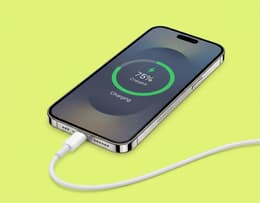
Charge your iPhone
An iPhone black screen can sometimes be caused by a power-related issue rather than a display failure. To fix this:
Connect your iPhone to a charger and leave it charging for at least 30 minutes.
Use an Apple-certified charging cable and adapter whenever possible.
Inspect the charging cable for signs of damage.
Check the charging port for dust, lint, or debris that may prevent a proper connection.
Watch for signs of life, such as a battery icon, vibration, or charging sound.
If the battery icon appears, your screen is working fine. However, if your iPhone won’t turn on despite hearing the charging chime, try the next fix.
Force restart your iPhone
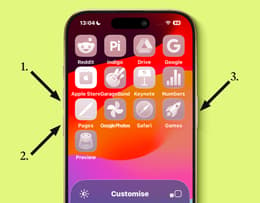
A force restart is one of the most effective ways to fix an iPhone black screen caused by a software crash, and it works equally well for a frozen iPhone. This is a simple reboot of the device, and it will not delete your data.
iPhone 8 and newer (including iPhone 15, iPhone 16, and iPhone 17)
Press and quickly release the Volume Up button.
Press and quickly release the Volume Down button.
Press and hold the Side button.
Continue holding the Side button until the Apple logo appears.
Press and hold the Volume Down and Side buttons simultaneously.
Keep holding both buttons until the Apple logo appears.
iPhone 6s, iPhone SE (1st gen), and older models
Press and hold the Home button and the Top or Side button simultaneously.
Continue holding the buttons until the Apple logo appears.
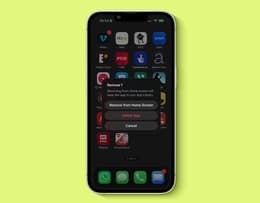
Remove problematic apps
If you open a specific app and the black screen appears immediately afterward, that app may be causing the issue. To remove that app from your iPhone:
Perform a force restart to gain access to your device.
Identify the app that triggered the problem.
Press and hold the app icon.
Tap Remove App, then tap Delete App.
Restart your iPhone and monitor its performance.
If the black screen issue doesn’t occur again, you can reinstall the app later or check for updates from the developer.
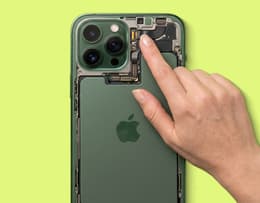
Try the squeeze method
If your iPhone was recently dropped, the display ribbon cable may have become loose. Gently squeezing the area around the camera module or the top of the screen might momentarily re-establish the connection.
Gently apply pressure around the top portion of the phone near the camera module.
Avoid using excessive force.
Check whether the display briefly returns.
If this method works, it’s usually a sign of a hardware issue rather than a permanent fix. Back up your data and plan for a professional repair as soon as possible.
The following fixes are invasive and involve reinstalling or restoring iOS. Before proceeding, make sure your important data is backed up to iCloud or a computer whenever possible.
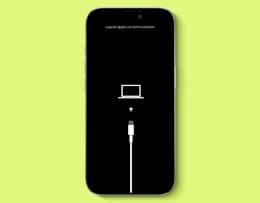
Update iOS using Data Recovery Mode
Recovery Mode can reinstall iOS without erasing your personal files, making it a useful option when a failed update or software bug causes a black screen.
Connect your iPhone to a Mac or Windows computer.
Open Finder (Mac) or iTunes/Apple Devices (Windows).
Perform the force restart procedure for your iPhone model.
Continue holding the button combination after the Apple logo appears.
Release the buttons only when you see the Recovery Mode screen (a computer and cable icon).
Your computer will detect a device in Recovery Mode, and when prompted, select Update.
Your computer will download and reinstall iOS while attempting to preserve your data.
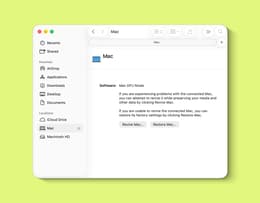
Perform a DFU restore
DFU (Device Firmware Update) mode is the deepest level of restore available on an iPhone. It reloads both the firmware and operating system and can resolve severe software issues. ⚠️Warning: A DFU restore erases all data on the device. Only proceed if you have a backup or are prepared to lose the data stored on the phone.
Connect your iPhone to a computer.
Enter DFU Mode. Follow these steps:
iPhone 8 or newer:
Press and quickly release Volume Up.
Press and quickly release Volume Down.
Press and hold the Side button until the screen turns black.
As soon as the screen goes black, press and hold Volume Down while continuing to hold the Side button.
After about 5 seconds, release the Side button while holding Volume Down.
Keep holding Volume Down until the Finder or iTunes displays an alert indicating the iPhone is in recovery mode.
iPhone 7 and iPhone 7 Plus:
Press and hold the Side button and Volume Down together for 8 seconds.
Release the Side button but continue holding Volume Down.
Keep holding Volume down until the Finder or iTunes displays an alert indicating the iPhone is in recovery mode.
iPhone 6, iPhone 6s, and older (including iPhone SE (1st Gen):
Press and hold both the Top/Side button for 3 seconds.
Press and hold both the Home and Top/Side buttons together.
After 8 seconds, release the Top/Side button while continuing to hold the Home button.
Keep holding the Home button for a few more seconds until the device is detected. If successful, nothing will appear on the screen.
iTunes or Finder will display an alert stating that an iPhone is in recovery mode.
Once successful, select Restore iPhone on your computer.
Follow the on-screen instructions to complete the restore process.
A DFU restore should generally be considered a last resort before seeking professional repair. If none of the fixes above restore your display, the problem is likely hardware-related, such as a damaged screen, a loose display connector, water damage, or a failing internal component. At this point, it's best to weigh your options and repair or replace your iPhone rather than continuing to troubleshoot on your own.
If your Android phone’s screen is black but the device still appears to be powered on, the problem may be caused by a software crash, a failed update, a charging issue, an app conflict, or a hardware fault. The following troubleshooting steps can be followed for many Android phones, including Google Pixel and Samsung Galaxy devices, including the Google Pixel 6 and newer and Samsung Galaxy S20 and newer models.
Before assuming the display is faulty, make sure the phone has sufficient power.
Connect your phone to a charger and leave it plugged for at least 30 minutes.
Use the original charger and cable, or a certified replacement.
Try a different charging cable, adapter, or wall outlet if available.
Inspect the charging port for dust, lint, or debris.
Look for signs of charging, such as vibration, notification sounds, LED indicators, or warmth from the device.
If the screen remains black even after charging, especially after hearing notification sounds, try the next fix.
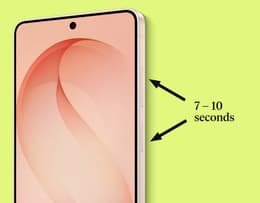
Force restart your Android phone
A force restart can often resolve temporary software crashes that prevent the display from turning on.
Force restart Samsung Galaxy S20 and newer
Press and hold the Volume Down and Side (Power) buttons simultaneously.
Continue holding both buttons for at least 8-10 seconds.
Release the buttons the moment the Samsung logo appears.
Force restart Google Pixel 6 and newer
Press and hold the Power and Volume Down buttons simultaneously.
Continue holding both buttons for 10 to 15 seconds.
Release the buttons when the phone vibrates.
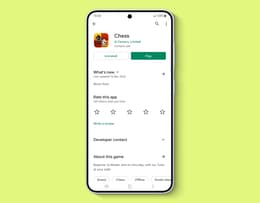
Remove recently installed or problematic apps
If the black screen issue began after installing or updating an app, that app may be causing system instability. If a force restart (from Fix 2) successfully turns your screen back on, an app conflict may have triggered the freeze. Prevent it from happening again by doing the following:
Open your phone Settings and tap Apps.
Look for any apps that were installed or updated right before the black screen occurred.
Tap the suspicious app and select Uninstall.
Restart your phone normally.
Apps that crash frequently or consume excessive system resources can sometimes trigger display-related problems.
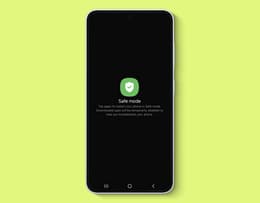
Boot into Safe Mode
If your screen remains black but the phone vibrates or makes sounds, third-party software may be crashing the display interface. You can force the phone to book using only core system software.
Samsung Galaxy S20 and newer
Ensure the device is powered off (hold the button combination from Fix 2 until all vibrations stop).
Press and hold the Side button and Volume Down at the same time.
The moment the Samsung logo appears, release the Side button while keeping Volume Down held.
Keep holding it until the phone boots up; Safe Mode appears at the bottom left of the screen.
Google Pixel 6 and newer
Ensure the phone is completely powered off.
Press and hold the Power button to turn the device on.
The exact moment you feel the startup vibration or see the screen flash, press and hold the Volume Down button.
Keep holding Volume Down until the device finishes booting into Safe Mode.
If the black screen issue disappears in Safe Mode, a third-party app is likely responsible.
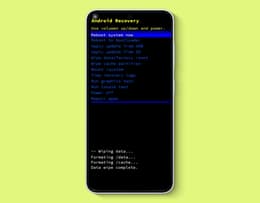
Factory reset through Recovery Mode
If software corruption is causing the black screen, performing a factory reset may restore normal operation. Our Android factory reset guide walks you through the full process.
⚠️Warning: A factory reset permanently erases all data stored on the device, so backups are essential.
Samsung Galaxy S20 and newer
Turn the phone off.
Connect the phone to a computer using a USB cable.
Press and hold the Volume Up and Side buttons simultaneously.
Release the buttons when the Android Recovery menu appears.
Use the volume buttons to highlight Wipe Data/Factory Reset.
Press the Side button to select.
Highlight Factory Data Reset and press the Side button to confirm.
Once finished, select Reboot System Now.
Google Pixel 6 and newer
Turn off the phone.
Press and hold the Power and Volume Down buttons together until the Fastboot menu appears.
Use the volume buttons to highlight Recovery Mode and press the Power button.
An Android robot with an exclamation mark and the text “No command” will appear.
Press and hold the Power button, then press the Volume Up button once, and release both buttons.
Use the volume buttons to highlight Wipe Data/Factory Reset and press the Power button.
Highlight Factory Data Reset and press the Power button to confirm.
Once complete, select Reboot System Now.
Corrupted system cache files can sometimes cause boot issues and display problems that cause the screen flicker. To clear your partition cache, you’ll need to boot your phone into recovery mode. Follow these steps to clear the partition cache in your Samsung Galaxy S20 or newer (You cannot wipe cache partition on the Google Pixel 6 or newer models because the physical system cache partition no longer exists on modern Pixel devices):
Turn the phone off.
Connect the phone to a computer using a USB cable.
Press and hold the Volume Up and Side buttons simultaneously.
Release the buttons when the Android Recovery menu appears.
Use the volume buttons to highlight Wipe Cache Partition.
Press the Side button to confirm.
Select Reboot System Now.
This process removes temporary system files without deleting personal data.
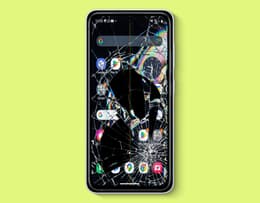
Check for physical damage
If the phone vibrates, rings, receives notifications, or appears in Google’s Find My Device service, but the screen remains completely black, the display hardware itself is likely damaged.
Common hardware damage includes:
Cracked or bleeding OLED panels
Loose or severed display ribbon cables
Liquid damage corroding internal paths
Impact damage from drops
Failed display controller chips
Damaged proximity sensor
You can test this by calling the device from another phone, connecting it to a computer to see if it reads the storage, or checking whether haptic feedback still functions. Hardware faults require professional attention, and it is best to visit a repair center for appropriate repair.
Possible cause | Common symptoms | iPhone solution | Android solution |
|---|---|---|---|
Temporary software crash | The screen is black, but the phone may vibrate, ring, or make sounds | Force restart | Force restart |
Failed software update | Black screen after an iOS or Android update | Update iOS in Recovery Mode | Boot in Recovery Mode and perform a factory reset if necessary |
Problematic app | A black screen occurs after opening a specific app | Remove the app after restarting the device | Uninstall the app |
Low battery or charging issue | No display, phone may not respond immediately | Charge for at least 30 minutes and inspect the charger, cable, and charging port | Charge for at least 30 minutes and inspect the charger, cable, and charging port |
Corrupted system files | Freezing, boot loops, and slow performance before the black screen appeared | Recovery Mode update or DFU restore | Factory reset |
Overheating | Phone feels hot and becomes unresponsive | Allow the device to cool down and restart it | Allow the device to cool down and restart it |
Display connector issue | Phone appears to work, but the screen remains black | Try the squeeze method and seek repair if successful | Professional inspection and repair |
Display damage | Phone rings or receives notifications, but shows no image | Professional inspection and repair | Professional inspection and repair |
Water damage | Black screen after liquid exposure | Power off and seek professional repair | Power off and seek professional repair |
Malware or system corruption | Crashes, instability, unexpected behavior | Restore iOS through Recovery Mode or DFU Mode | Remove suspicious apps, use Safe Mode, or perform a factory reset |
Hardware failure | No response after all troubleshooting steps | Professional diagnosis and repair | Professional diagnosis and repair |
Buying a refurbished smartphone from Back Market is a smart way to get a premium device for less. Unlike used devices that are sold as-is, Back Market phones are professionally refurbished by industry experts who thoroughly inspect, test, clean, and restore each device to ensure it meets strict quality standards. This is the Back Market Promise. Any defective components are repaired or replaced, and every phone undergoes extensive functionality testing before being listed for sale.
The result is you get a reliable device that delivers like-new performance and quality at a significantly lower price. In fact, refurbished smartphones on Back Market are typically available year-round at 20-50% off the cost of buying new, making it easy to upgrade without overspending.
Additionally, every purchase comes with added peace of mind, which includes a 1-year warranty and 30 days to change your mind if the device isn’t the right fit. Beyond the savings, choosing a refurbished smartphone is a more sustainable option. By extending the life of existing devices, refurbishment helps reduce electronic waste, conserve valuable resources, and lower the environmental impact associated with manufacturing new smartphones.
If your phone’s black screen turns out to be a sign of a more serious issue, it may be time to consider an upgrade. Instead of retiring your old device to a drawer, trade it in and put its value toward your next purchase. Just complete a simple online evaluation of your device’s condition to get an estimate, send it in for free, and once it's verified, you'll receive payment. Depending on the model and its condition, you could earn cash for your old tech while helping extend its life through reuse and refurbishment — a win for both your wallet and the environment.
Back Market makes it easy to find a refurbished phone that fits your needs and budget. Whether you’re shopping for a flagship iPhone, a Samsung Galaxy, or a Google Pixel, you can easily compare different models and choose the one that fits your needs. Explore the options below to compare models, see how much you can save with Back Market, and find the right smartphone for your needs.
Model | Back Market Price | Price of New | Savings (%) |
|---|---|---|---|
From $218* | $699 | 69% | |
From $269* | $799 | 66% | |
From $230* | $799 | 64% | |
From $339* | $799 | 56% | |
From $335.99* | $699 | 51% | |
From $425* | $729 | 38% |
*Back Market prices taken at the date of publication – these are subject to change.
A black phone screen can be alarming, but it doesn’t always mean your device is permanently damaged. In many cases, the issue is caused by a software glitch, a charging problem, overheating, or another fixable fault. By understanding the most common causes and following the troubleshooting steps in this guide, you can get your iPhone or Android phone working again without professional repair. Taking care of your device, keeping its software up to date, and addressing problems early can also help prevent future black screen issues and keep your phone running smoothly.
Miguel is always looking for new ways to provide unique perspective on popular tech and has taken his writing to the refurbished industry to promote sustainability. Outside of creating content, you might find him travelling the globe, coaching a fitness class, or cheering on his favorite sports teams (Go Dolphins!)