
Compare models
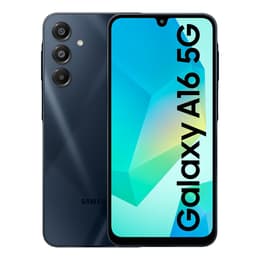
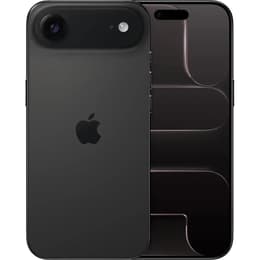
Galaxy A16 5G • Unlocked vs iPhone Air • Unlocked
- 1-year warranty
- Free standard shipping
- Free 30-day returns
Differences at a glance
The Samsung Galaxy A16 5G (2024) and the Apple iPhone Air (2025) represent two distinct approaches to modern smartphone design, targeting very different user expectations and mobile ecosystems. While the Galaxy A16 5G focuses on everyday reliability within the Android platform, the iPhone Air introduces an ultra-slim profile and powerful iOS capabilities. These devices differ significantly in build philosophy, operating systems, and core specifications, catering to unique user preferences.
Available Models
Color
Storage (GB)
Scores
Durability
Both smartphones offer robust software support timelines and durable construction designed to withstand regular daily use over several years.
- Software longevity: The Galaxy A16 5G receives extended security updates and operating system upgrades for six years from its release, matching the long-term support typical of Apple's iOS ecosystem.
- Build resilience: The iPhone Air utilizes a rigid titanium frame and scratch-resistant glass construction, whereas the Galaxy A16 5G relies on a reinforced plastic frame with dust and water resistance ratings suited for daily protection.
- Expected practical lifespan: Both models maintain sustained usability over multiple years, making a quality-assured refurbished option an eco-friendly alternative that extends device lifecycles.
Release Year
2024
2025
OS
Android
iOS
Foldable
No
No
Performance
Handling daily tasks, multitasking, and media consumption varies between these models based on their internal hardware configurations and system optimization.
- Multitasking capacity: The iPhone Air handles demanding applications, intensive gaming, and background tasks smoothly with high memory capacity, while the Galaxy A16 5G manages everyday messaging, web browsing, and casual apps reliably.
- Battery behavior: The Galaxy A16 5G features a high-capacity battery that easily supports full-day usage for standard tasks, whereas the streamlined profile of the iPhone Air delivers dependable power management tailored for efficient daily routines.
- Storage configurations: Users can select from various internal storage tiers or expand capacity via external cards on the Android model, while the Apple device provides ample built-in storage options for large media libraries.
Screen quality
Viewing experiences differ through display technology, panel dimensions, and motion responsiveness across both device screens.
- Display technology: The Galaxy A16 5G features a Super AMOLED panel delivering deep contrast and vivid colors, while the iPhone Air utilizes an advanced OLED screen with high pixel density and precise color calibration.
- Refresh rate and smoothness: Both devices offer smooth scrolling and responsive touch interaction, enhancing visual fluidity during web browsing and interface navigation.
- Outdoor visibility: High peak brightness levels on both displays ensure clear legibility and comfortable viewing when used under direct sunlight.
Resolution
1080x2340
2736x1260
Screen type
Super AMOLED
Super Retina XDR
Audiovisual
Capturing photos, recording video, and handling audio output reflect the distinct hardware arrangements of each smartphone.
- Camera systems: The iPhone Air equips a high-resolution primary sensor alongside advanced computational photography features for detailed imaging, whereas the Galaxy A16 5G provides a versatile triple-lens setup including ultra-wide and macro options.
- Video and audio recording: The Apple device records stable high-definition video accompanied by clear microphone input, while the Samsung model delivers reliable everyday video capture for social sharing and video calls.
- Media playback: Internal speaker output provides clear sound for casual listening, hands-free calling, and video playback on both platforms.
Miscellaneous
Physical dimensions, connectivity standards, and daily handling characteristics establish practical usability in real-world scenarios.
- Design and handling: The iPhone Air features an exceptionally thin and lightweight profile built from titanium, while the Galaxy A16 5G offers a slightly heavier, traditional form factor with comfortable grip edges.
- Connectivity options: Both models support fast 5G cellular networks, modern Wi-Fi standards, and Bluetooth for reliable accessory pairing and wireless data transfer.
- Authentication and ports: The iPhone Air relies on advanced facial recognition and a universal USB-C port, aligning with contemporary charging standards.
Weight
7 oz
185 oz
Screen size (inches)
6.7
6.5
Network
5G
5G
SIM card
Physical SIM
eSIM
Carrier compatibility
Unlocked
Unlocked
Connector
USB-C
USB-C
What the community thinks
User feedback highlights the iPhone Air for its exceptionally thin form factor, premium materials, and smooth system performance, though some users note its minimalist approach requires relying entirely on wireless or cloud solutions. Conversely, the Galaxy A16 5G earns praise for its dependable battery endurance, expandable storage capability, and long-term software support, with occasional remarks pointing to its standard plastic build.
Users prioritizing a lightweight profile, advanced computational photography, and the iOS ecosystem will find the iPhone Air well-suited to their needs. Meanwhile, users who value long battery stamina, expandable storage, and everyday reliability within Android may prefer the Galaxy A16 5G. Evaluating these core priorities helps determine the ideal fit. Choosing a quality-assured refurbished option provides a sustainable choice that aligns eco-conscious values with everyday technology needs.