
Compare models
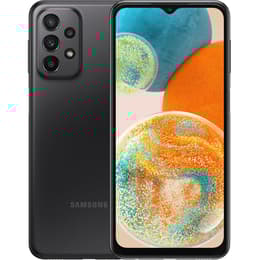
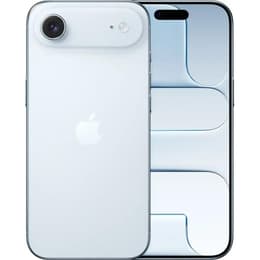
Galaxy A23 5G • Unlocked vs iPhone Air • Unlocked
- 1-year warranty
- Free standard shipping
- Free 30-day returns
Differences at a glance
The Samsung Galaxy A23 5G (2022) and the Apple iPhone Air (2025) represent entirely different approaches to smartphone design, engineering, and user philosophy. While the Galaxy A23 5G provides a dependable, feature-rich experience geared toward daily essentials, the iPhone Air prioritizes ultra-slim hardware and high-end processing capabilities. Operating on Android and iOS respectively, these devices cater to distinct user expectations regarding daily utility and form factor.
Available Models
Color
Storage (GB)
Scores
Durability
When evaluating structural longevity and software support, both devices handle aging through different update cycles and build methodologies.
- Software support lifecycle: The iPhone Air benefits from Apple's extended multi-year operating system updates, whereas the Galaxy A23 5G operates on a standard Android security and version update schedule that spans several years from its release.
- Build durability: The Galaxy A23 5G relies on a sturdy plastic frame with reinforced glass protection, while the iPhone Air utilizes advanced glass and a rigid titanium frame designed to withstand daily wear.
- Expected practical lifespan: Both models maintain functional viability for years, though users tracking long-term software compatibility will find extended support timelines with Apple's ecosystem.
Release Year
2022
2025
Last OS Compatibility
Yes
Yes
OS
Android
iOS
Foldable
No
No
Performance
System responsiveness and daily speed capabilities vary significantly based on internal hardware optimization and multitasking architecture.
- App loading and multitasking: The iPhone Air handles demanding applications, high-end mobile gaming, and heavy background tasks smoothly with its current-generation processor and generous RAM configuration, while the Galaxy A23 5G manages standard messaging, web browsing, and casual apps reliably.
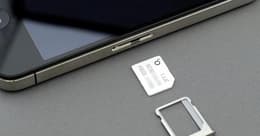
- Storage capacity: The iPhone Air starts with larger base storage options suited for extensive media libraries, whereas the Galaxy A23 5G offers moderate internal storage paired with expandable card slot support.
- Battery behavior: The Galaxy A23 5G's large capacity cell easily sustains long durations of typical mixed use, while the iPhone Air balances a slender profile with efficient power management for a full day of standard tasks.
Screen quality
Display technologies differ notably, impacting visual clarity, outdoor visibility, and motion smoothness during media consumption.
- Display technology: The iPhone Air features a vibrant OLED display with deep blacks and high contrast ratios, compared to the PLS LCD screen found on the Galaxy A23 5G.
- Refresh rate and smoothness: Both devices support high refresh rate capabilities up to 120Hz, ensuring fluid scrolling through menus, web pages, and user interfaces.
- Outdoor visibility: The iPhone Air achieves high peak outdoor brightness levels for clear visibility in direct sunlight, while the Galaxy A23 5G remains comfortably legible under standard daylight conditions.
Resolution
1080 x 2408
2736x1260
Screen type
PLS LCD
Super Retina XDR
Audiovisual
Photography and media output capabilities reflect the divergent engineering goals of each device family.
- Camera systems: The iPhone Air utilizes a streamlined single high-resolution lens setup backed by advanced computational photography, whereas the Galaxy A23 5G offers a versatile multi-lens rear camera array including macro and ultra-wide options.
- Video and low-light performance: The iPhone Air captures detailed low-light imagery and stable high-definition video recording, while the Galaxy A23 5G handles daylight snapshots and casual video calls adequately.
- Audio and media output: Media consumption on the iPhone Air benefits from crisp audio integration, while the Galaxy A23 5G retains a traditional physical headphone jack for wired listening convenience.
Main camera
50 megapixels
48 megapixels
Front camera
8 megapixels
18 megapixels
Miscellaneous
Practical daily usability elements such as physical dimensions, connectivity standards, and biometric security shape the overall user experience.
- Handling and dimensions: The iPhone Air stands out with an exceptionally thin and lightweight profile housed in a slim chassis, whereas the Galaxy A23 5G features a slightly thicker, heavier build that accommodates its larger battery.
- Biometric security: The iPhone Air uses advanced facial recognition technology, while the Galaxy A23 5G relies on a side-mounted fingerprint sensor integrated into the power button.
- Connectivity standards: Both smartphones support modern 5G connectivity networks, Wi-Fi standards, and Bluetooth pairing for seamless accessory integration.
Weight
7 oz
185 oz
Screen size (inches)
6.8
6.5
Network
5G
5G
SIM card
Physical SIM
eSIM
Carrier compatibility
Unlocked
Unlocked
What the community thinks
Choosing between these two smartphones depends heavily on individual daily requirements and hardware preferences. Users prioritizing an ultra-slim, lightweight device with top-tier processing power and an expansive OLED display will find the iPhone Air well-suited to their needs. Conversely, users who value expandable storage, a traditional headphone jack, and dependable everyday battery longevity often prefer the practical utility offered by the Galaxy A23 5G. Those exploring sustainable purchasing paths can also look into quality-assured refurbished options as an eco-friendly alternative when acquiring either model. Reviewing these core differentiators ensures an informed decision tailored to your specific daily workflow.