
iPhones
Compare models
Differences at a glance
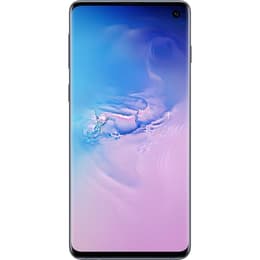
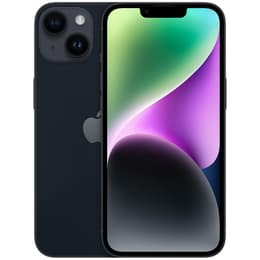
The Samsung Galaxy S10, released in March 2019, and the Apple iPhone 14, launched in September 2022, represent different generations of flagship smartphones from their respective manufacturers. While both devices offer a premium mobile experience, the iPhone 14 introduces more recent advancements in processing power, camera technology, and safety features, reflecting its newer release. The primary distinction lies in their operating systems, with the Galaxy S10 running on Android and the iPhone 14 on iOS, offering distinct user interfaces and ecosystem experiences.
Color
Storage
The longevity of a smartphone is influenced by its release timeline, software support, and physical durability. These two devices, separated by several years, offer different expectations in these areas.
Release Year
Last OS Compatibility
OS
Foldable
Performance is a key area where the generational gap between these two devices becomes apparent, impacting everything from app responsiveness to multitasking capabilities.
The display is a primary interface for any smartphone, and both the Galaxy S10 and iPhone 14 offer high-quality viewing experiences with some notable differences.
Resolution
Screen type
Both the Galaxy S10 and iPhone 14 offer capable camera systems, but their approaches and capabilities reflect the advancements in mobile photography over time.
Main camera
Front camera
Beyond the core features, several practical elements contribute to the overall user experience and differentiate these two smartphones.
Weight
Screen size (inches)
Network
SIM card
Carrier compatibility
Choosing between the Samsung Galaxy S10 and the iPhone 14 involves considering the trade-offs between an older, feature-rich Android device and a more modern, performance-oriented iOS smartphone. User feedback for the Galaxy S10 often praised its vibrant display, versatile camera system with a dedicated telephoto lens, and the inclusion of a headphone jack and expandable storage. Common criticisms, particularly in recent years, have centered on its aging software support and diminishing battery performance compared to newer models. The iPhone 14, on the other hand, is frequently lauded for its powerful and efficient processor, excellent camera performance with advanced computational photography, and long-term software support. Some users have noted the absence of a headphone jack and expandable storage as limitations, and some iPhone 14 Pro owners reported battery health depleting in a short period of time after purchasing it.
Users prioritizing a device with the latest software updates, superior processing power for demanding tasks, and advanced camera features, particularly for video, will find the iPhone 14 well-suited to their needs. Its longer expected software longevity also makes it a more future-proof option. Conversely, users who value the flexibility of the Android ecosystem, prefer a physical headphone jack, or require expandable storage for large media libraries may lean toward the Galaxy S10. The Galaxy S10 could also appeal to those who appreciate a dedicated telephoto lens for optical zoom. Both devices, especially the Galaxy S10, are available as quality-assured refurbished options, providing an eco-friendly alternative for consumers seeking a premium smartphone experience.