
Galaxy S10 • Unlocked vs iPhone 14 Pro Max • Locked AT&T

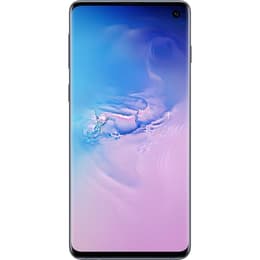
Galaxy S10 • Unlocked
Starting at

Refurbished price:$148.00

Versus $669.00 new

See options
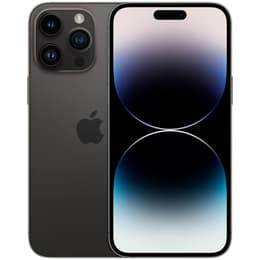
iPhone 14 Pro Max • Locked AT&T
Starting at

Refurbished price:$409.00

Versus $1,399.00 new

See options

Ratings

The Samsung Galaxy S10, an Android smartphone, was introduced in March 2019, while the iPhone 14 Pro Max, an iOS device, arrived significantly later in September 2022. These two devices represent different generations and operating system ecosystems, leading to distinct user experiences. Key differentiators between them include their respective operating systems, advancements in camera technology, and display innovations.

Scores

Durability

The longevity and support for a smartphone are crucial considerations for users. The Galaxy S10 and iPhone 14 Pro Max offer varying timelines for software updates and physical durability.

  • Software Support: The Galaxy S10 received its last major operating system update with Android 12 in January 2022, with security patches continuing until March 2023 for most models. In contrast, the iPhone 14 Pro Max, launched with iOS 16, is expected to receive major iOS updates for approximately five to six years from its release.
  • Physical Durability: Both devices carry an IP68 rating for dust and water resistance, indicating protection against submersion in up to 6 meters of water for 30 minutes. The Galaxy S10 features Gorilla Glass 6 on the front and Gorilla Glass 5 on the back, while the iPhone 14 Pro Max utilizes a Ceramic Shield front cover, a textured matte glass back, and a stainless steel frame.
  • Expected Lifespan: Due to its more recent release and Apple's longer history of software support, the iPhone 14 Pro Max generally offers a longer expected practical lifespan in terms of receiving the latest software features and security updates.

Release Year

2019

2022

Last OS Compatibility

No

Yes

OS

Android

iOS

Foldable

No

No

Performance

Performance is a critical aspect that influences how smoothly a device handles daily tasks and demanding applications. The Galaxy S10 and iPhone 14 Pro Max exhibit notable differences in their processing capabilities and overall system responsiveness.

  • Processing Power: The Galaxy S10 is equipped with an octa-core processor, which provides capable performance for everyday use and multitasking. The iPhone 14 Pro Max, being a much newer device, features a significantly more advanced processor designed to handle highly demanding applications, complex graphics, and intensive multitasking with greater efficiency.
  • System Responsiveness: Users of the Galaxy S10 generally experience good responsiveness for typical smartphone activities, though some may notice slower performance with media-heavy apps or prolonged gaming sessions. The iPhone 14 Pro Max delivers exceptionally fluid navigation and rapid app loading, maintaining high performance even under heavy workloads.
  • Multitasking and Storage: The Galaxy S10 was available with 8GB or 12GB of RAM and storage options up to 1TB. The iPhone 14 Pro Max comes with 6GB of RAM and offers storage configurations up to 1TB, optimized to manage multiple applications simultaneously without significant slowdowns.

Memory (GB)

8 GB

6 GB

Screen quality

The display is the primary interface for user interaction, and both devices offer high-quality viewing experiences with distinct characteristics.

  • Display Technology and Clarity: The Galaxy S10 features a 6.1-inch Dynamic AMOLED display with a QHD+ resolution of 3040 x 1440 pixels, providing a pixel density of 550 pixels per inch (ppi). The iPhone 14 Pro Max boasts a larger 6.7-inch Super Retina XDR OLED display with a resolution of 2796 x 1290 pixels, resulting in a pixel density of 460 ppi. Both displays offer vibrant colors and deep blacks.
  • Refresh Rate and Brightness: The Galaxy S10 has a standard 60Hz refresh rate, while the iPhone 14 Pro Max features ProMotion technology, offering adaptive refresh rates up to 120Hz for smoother scrolling and more responsive interactions. The iPhone 14 Pro Max also achieves higher brightness levels, with a typical maximum of 1000 nits and a peak outdoor brightness of 2000 nits, compared to the Galaxy S10's capabilities.
  • Unique Display Features: The Galaxy S10 introduced an Infinity-O display design, integrating the front camera into a punch-hole cutout. The iPhone 14 Pro Max features the Dynamic Island, an interactive area around the front camera and sensors, and an Always-On display functionality.

Resolution

1440 x 3040

1290 x 2796

Screen type

Dynamic AMOLED

LTPO Super Retina XDR OLED

Audiovisual

Camera capabilities are a significant factor for many users, and both the Galaxy S10 and iPhone 14 Pro Max offer versatile camera systems, though with different levels of advancement.

  • Rear Camera Systems: The Galaxy S10 includes a triple rear camera setup, featuring a 12-megapixel main sensor with dual aperture, a 12-megapixel telephoto lens with 2x optical zoom, and a 16-megapixel ultrawide lens. The iPhone 14 Pro Max features a more advanced Pro camera system, including a 48-megapixel main sensor that uses a quad-pixel design, a 12-megapixel ultrawide lens, and a 12-megapixel telephoto lens with 3x optical zoom.
  • Photography and Video Features: Both devices are capable of recording 4K video. The iPhone 14 Pro Max offers more sophisticated video capabilities, such as Cinematic mode for depth-of-field effects, Action mode for stabilized footage, and ProRes video recording for professional workflows. Its larger main sensor also contributes to improved low-light performance.
  • Front Camera: The Galaxy S10 has a 10-megapixel front camera. The iPhone 14 Pro Max features a 12-megapixel front camera with autofocus, designed for clear selfies and video calls.

Main camera

12 megapixels

48 megapixels

Front camera

10 megapixels

12 megapixels

Miscellaneous

Beyond core specifications, several practical elements contribute to the overall user experience and device utility.

  • Connectivity and Ports: The Galaxy S10 includes a 3.5mm headphone jack and a USB-C port for charging and data transfer. It supports Wi-Fi 6 and Bluetooth 5.0. The iPhone 14 Pro Max utilizes a Lightning port and does not feature a headphone jack. It supports newer connectivity standards like Wi-Fi 6E and Bluetooth 5.3.
  • Biometric Security: For secure unlocking and authentication, the Galaxy S10 incorporates an in-display ultrasonic fingerprint sensor. The iPhone 14 Pro Max relies on Face ID, an advanced facial recognition system.
  • Design and Additional Features: The Galaxy S10 measures 149.9 x 70.4 x 7.8 mm and weighs 157 grams. The iPhone 14 Pro Max is larger and heavier at 160.7 x 77.6 x 7.85 mm and 240 grams. The iPhone 14 Pro Max also includes advanced safety features such as Emergency SOS via Satellite and Crash Detection.

Weight

6 oz

8 oz

Screen size (inches)

6.1

6.7

Network

LTE

5G

SIM card

Physical SIM

eSIM

Carrier compatibility

Unlocked

AT&T

The Samsung Galaxy S10 and iPhone 14 Pro Max cater to different user needs and preferences, largely due to their generational gap and distinct operating systems. Users often praise the Galaxy S10 for its inclusion of a headphone jack and expandable storage, features that have become less common in newer smartphones. Some common criticisms for the S10, particularly in recent years, revolve around its aging software support and diminishing battery performance compared to newer devices.

Conversely, the iPhone 14 Pro Max is frequently lauded by users for its exceptional camera capabilities, robust performance, and extended software longevity. Its advanced display technology, including the adaptive refresh rate and Dynamic Island, also receives positive feedback. Some users, however, may find its larger size and weight less convenient for one-handed use.

For users who prioritize a device with a longer software support lifespan, cutting-edge camera technology, and top-tier performance for demanding applications, the iPhone 14 Pro Max aligns well with those needs. Its advanced display and safety features also appeal to those seeking the latest innovations. On the other hand, users who value a more compact design, the presence of a traditional headphone jack, and a familiar Android experience might find the Galaxy S10 still offers a practical solution, especially as a quality-assured refurbished option. Ultimately, the choice depends on individual priorities regarding software ecosystem, feature set, and device size.


See all articles

Our recent comparisons